



Heavy Iron Base
These heavy iron base pieces are robust industrial and domestic supports, built for durability and steady utility.
Heavy Iron Base
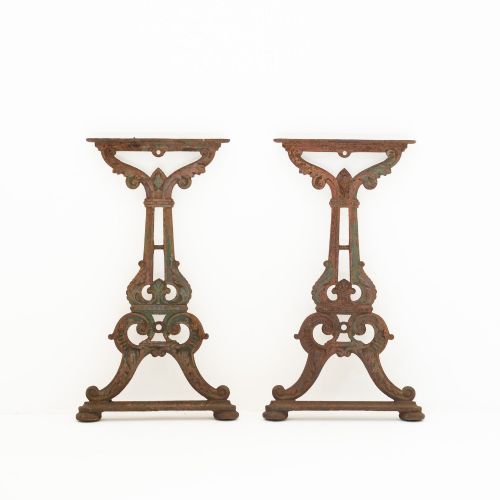
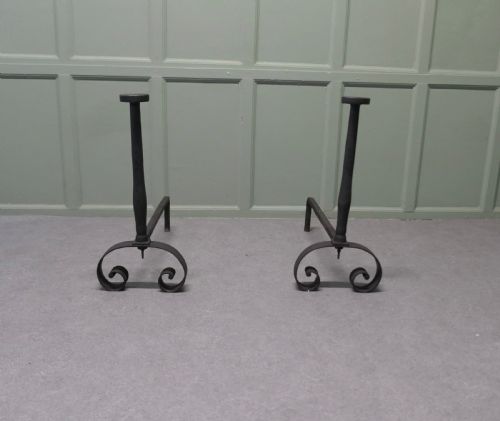
When you search for a heavy iron base, you encounter sturdy structural supports and functional foundations spanning the nineteenth century, the Georgian era, and mid-century twentieth-century design. These objects range from industrial table bases and factory sewing machine supports to boot scrapers, garden benches, and fireplace andirons.
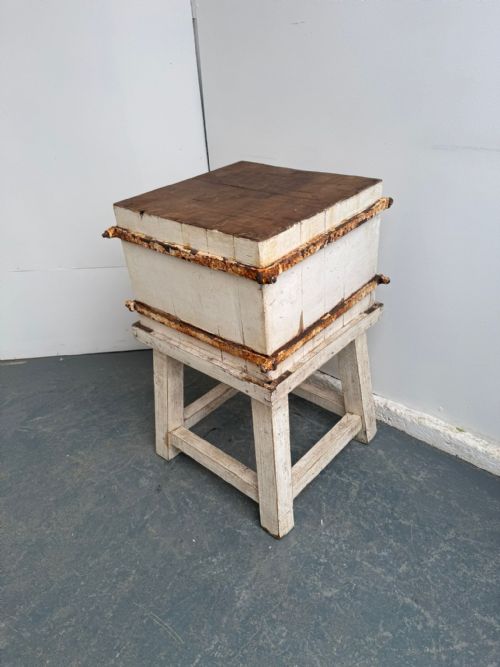
You are most likely to meet cast iron and wrought iron components paired with timber tops or utilised as standalone architectural elements. The forms vary from Victorian industrial bar stools with gear cog bases to large ships tables and French country butcher blocks.
Materials and construction
These pieces rely heavily on cast iron, wrought iron, and steel, often combined with timbers such as oak, beech, and softwood. Foundries poured molten metal into sand moulds to create intricate bases, gear cogs, and lion motifs.
Industrial manufacturing techniques of the nineteenth and early twentieth centuries prioritized sheer weight and stability. Wrought iron and steel elements were forged or bolted together to support heavy loads in factories, workshops, and commercial premises.
Heavy Iron Base Retail Price Guide 2026
Typical asking prices for heavy iron base among the pieces listed under this phrase on Sellingantiques today, from the lower quarter to the upper quarter. They describe what is for sale here now, not the wider market.
Listings feature items from the Georgian period through the Victorian era up to 1950, utilising cast iron, wrought iron, steel, oak, beech, and softwood.
Assessing quality
Quality in these items rests upon the crispness of the casting and the integrity of the original construction. Finer examples display sharp detailing in decorative elements such as lion motifs or factory markings, whereas lesser pieces show softer, worn casting lines.
The relationship between the metal base and any attached timber top also determines the overall standard. Original pairings that retain their authentic surface patination and structural cohesion stand apart from mismatched assemblies.
The Heavy Iron Base Glossary
- Cast iron
- A hard, relatively brittle alloy of iron and carbon that can be readily cast in a mould. It forms the heavy foundational structure for many industrial tables and sewing machine bases.
- Wrought iron
- Tough, malleable iron that is easily forged and rolled. It appears in structural components and fireplace accessories.
- Andirons
- Horizontal metal bars supported by legs, used for raising logs in a fireplace. These heavy iron examples provide robust support for burning wood.
Heavy Iron Base: Frequently Asked Questions
What is a heavy iron base used for?
These bases serve as sturdy structural supports for tables, bar stools, and butcher blocks. Their substantial weight ensures stability in both domestic and commercial environments.
They also appear in garden benches, sewing machine frames, and fireplace accessories where durability is essential.
How do I date a cast iron base?
Dating relies on stylistic clues, manufacturing techniques, and maker markings from periods such as the Victorian era or the early twentieth century. Industrial designs often reflect the technology of their specific decade.
Examination of the casting quality and assembly methods helps distinguish nineteenth-century examples from later twentieth-century items.
Are these bases suitable for modern tables?
Many industrial table bases are strong enough to support modern stone, glass, or timber tops. Their heavy weight provides excellent stability for dining or desk use.
Careful measurement of height and load capacity ensures the base matches your chosen tabletop.
How do I maintain cast iron?
Keep the metal dry and clean using a soft cloth to preserve the original surface patination. Avoid harsh chemical cleaners that can strip protective waxes or paints.
Light application of oil can help prevent rust on unpainted iron surfaces.