




Heavy Gold Curb
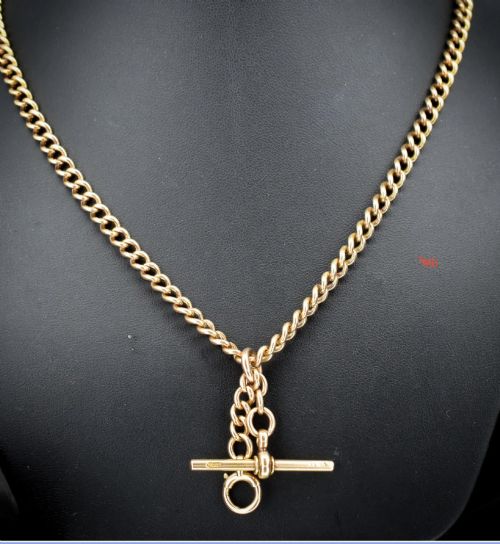
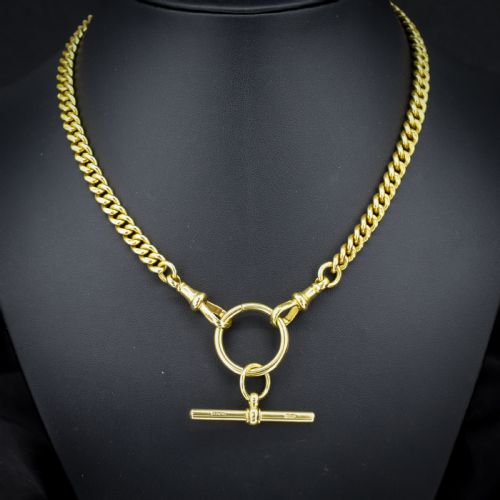
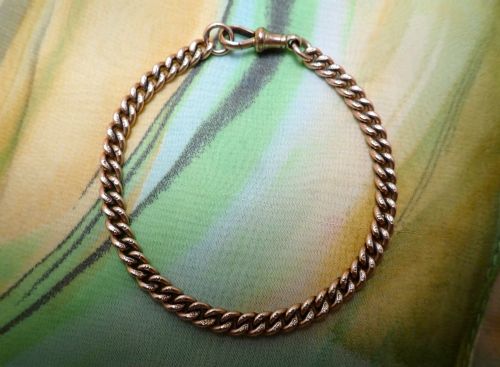
These pieces of heavy gold curb bring substantial historic metalwork to the wrist and neckline through dense interlocking links.
Heavy Gold Curb
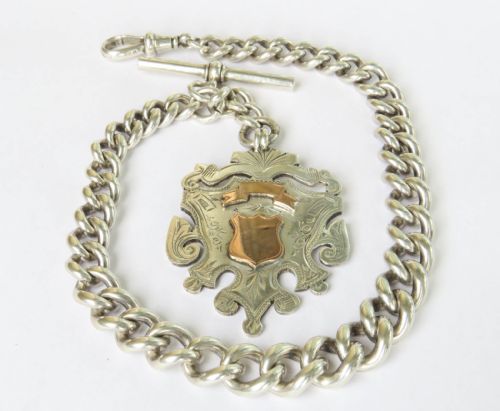
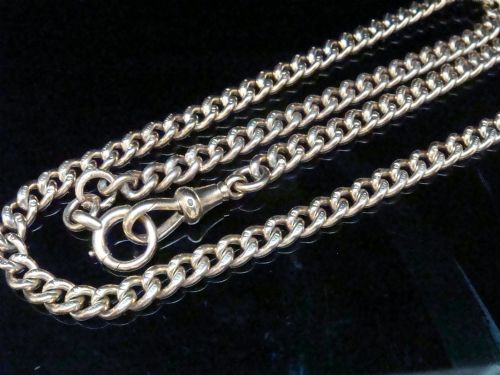
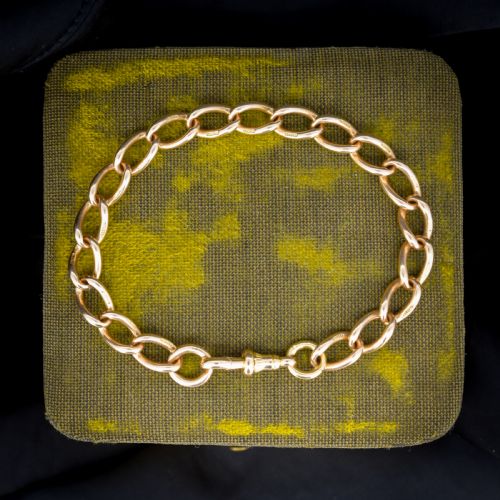
A search for heavy gold curb directs attention toward substantial chains and bracelets formed of uniform, interlocking links. These pieces span Victorian and Edwardian periods, alongside a small selection of domestic brass items sharing similar sturdy construction.
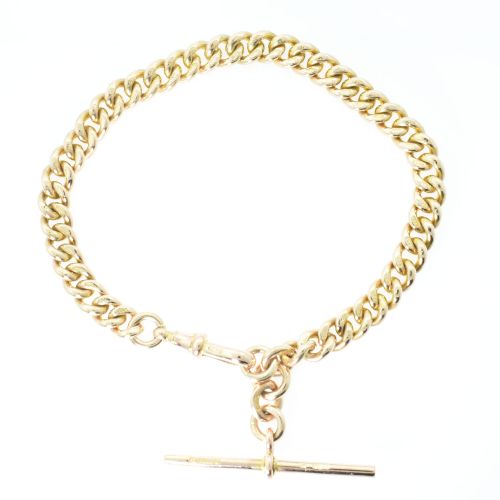
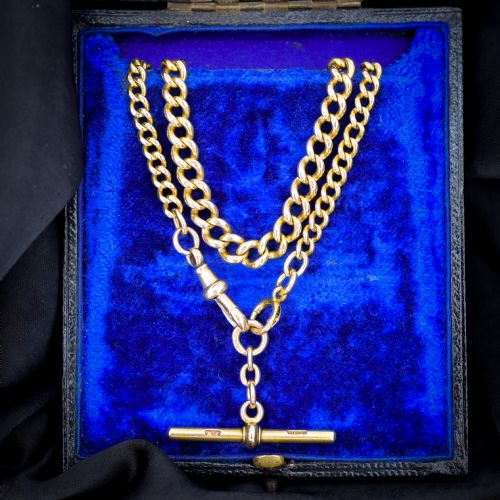
Necklaces, pocket watch chains, and bracelets dominate the jewellery selection, often retaining original fittings such as dog clips, bolt rings, and T-bars. The heavier examples utilise solid gold variants including nine carat, fifteen carat, and eighteen carat purity.
While the domestic brass fenders also captured by this term share a heavy, utilitarian character, the core focus for most buyers remains the wearable gold chains and bracelets from the late nineteenth and early twentieth centuries.
Materials and construction
The jewellery pieces are forged from solid yellow and rose gold, utilising higher purities like fifteen and eighteen carat alongside the more common nine carat gold. Each individual link is shaped and joined to create a continuous, heavy strand capable of withstanding daily wear.
Silver and brass feature in alternative listings, demonstrating the same robust approach to metalworking across different domestic and personal objects. Hallmarks stamped onto the gold links provide official verification of purity and origin.
Heavy Gold Curb Retail Price Guide 2026
Typical asking prices for heavy gold curb among the pieces listed under this phrase on Sellingantiques today, from the lower quarter to the upper quarter. They describe what is for sale here now, not the wider market.
Listings span the Victorian and Edwardian periods, incorporating both nine carat and fifteen carat gold variants alongside sterling silver and brass.
Evaluating standard and wear
Quality rests upon the preservation of the individual links and the tightness of their interlock, which determines the drape and strength of the chain. Substantial gram weights and hallmarking on every link distinguish the finest examples from lighter or unmarked counterparts.
The presence of original functional hardware, such as dog clips and T-bars, elevates the integrity of a piece. Sound construction without excessive thinning at the pivot points separates superior items from those showing deep structural wear.
The Heavy Gold Curb Glossary
- Curb link
- A type of chain link that has been twisted and flattened so that it lies evenly when worn against the body.
- Albert chain
- A pocket watch chain designed to be worn across a waistcoat or attached to a garment, featuring a T-bar at one end.
- Dog clip
- A spring-loaded swivel clasp commonly found on antique watch chains for securing fobs or pendants.
- T-bar
- A short transverse bar attached to a watch chain, used to anchor the chain through a buttonhole.
- Hallmark
- An official stamp or series of marks applied to precious metals to indicate purity, maker, and assay office.
Heavy Gold Curb: Frequently Asked Questions
What is an albert chain?
An albert chain is a specific style of pocket watch chain that traditionally attached to a gentleman's waistcoat.
These pieces feature a T-bar anchor at one end and swivel clips for holding pocket watches or decorative fobs at the other.
How do I wear a antique watch chain?
Antique watch chains and curb bracelets adapt readily to modern wear as necklaces or wrap bracelets.
Many buyers remove the T-bar or tuck it away, letting the substantial gold links function as a standalone statement necklace.
What carat gold should I look for?
Gold purity in these pieces ranges from nine carat up to eighteen carat yellow and rose gold. Higher carat options offer a richer colour and greater intrinsic value, while nine carat provides robust durability for daily wear.
How do I date these pieces?
Dating relies heavily on accompanying hallmarks, stylistic cues, and original functional hardware like dog clips and bolt rings. Pieces span the Victorian and Edwardian eras, displaying distinct manufacturing traits from those periods.