







Heavy Gilt Frame Painting
A heavy gilt frame painting brings immediate warmth and architectural presence to a room, combining substantial gilded surrounds with classic oil on canvas works.
Heavy Gilt Frame Painting
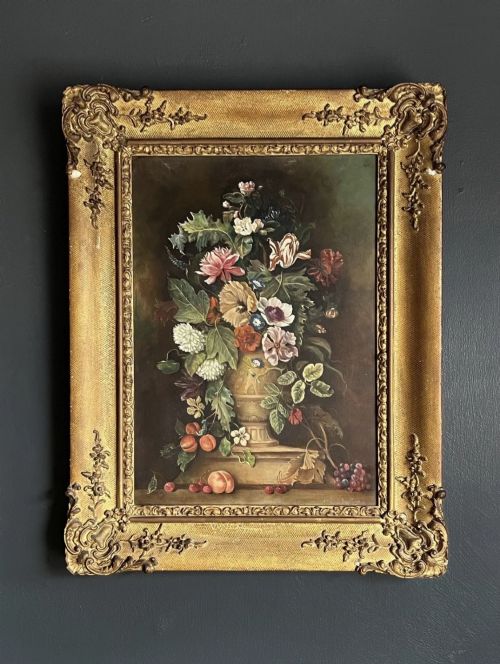
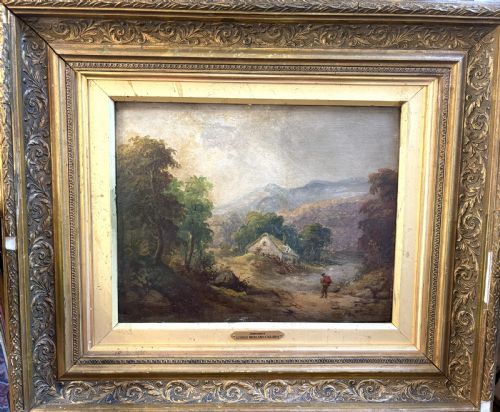
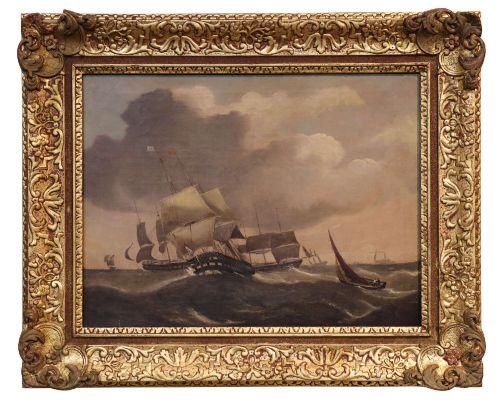
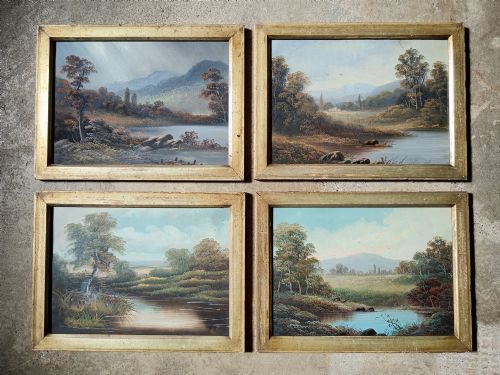
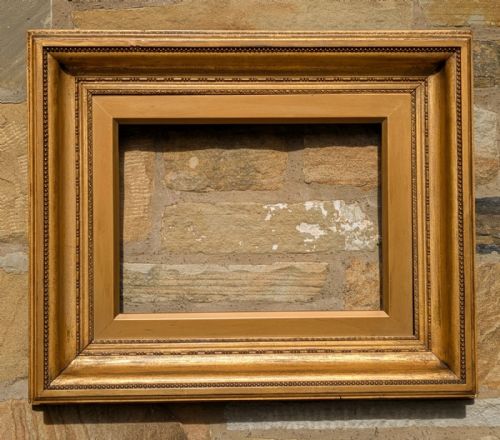
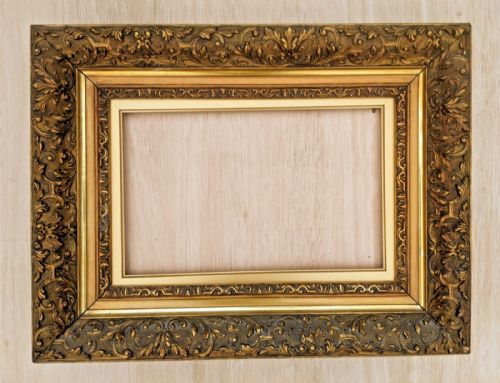
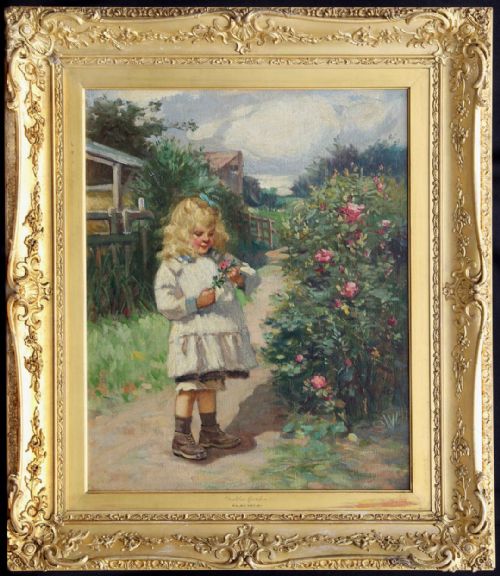
When you search for a heavy gilt frame painting, you encounter substantial works predominantly executed in oil on canvas or oil on board, housed within deep, ornate wooden surrounds. These pieces span from the nineteenth century into the mid-twentieth century, capturing subjects from maritime shipping scenes and Dutch floral arrangements to pastoral landscapes and intimate domestic studies.
The Victorian era supplies a strong proportion of these items, featuring deep profiles and revival styles that demand attention on a wall. Alongside complete paintings, the selection includes standalone antique picture frames designed for landscape or portrait orientations, offering robust architectural presence.
Origins stretch across British, French, and Scottish schools, alongside Dutch Golden Age styles and mid-century urban views. Buyers frequently select these works to anchor a room with traditional gravitas or to contrast against contemporary interior spaces.
How they were made
Makers constructed the foundational frames from solid wood, applying layers of gesso to build up complex ornamental scrollwork, floral motifs, and stepped mouldings before finishing the surface with gold leaf or metallic gilt paint. This dense preparation added considerable weight to the overall object.
Canvas and wood boards served as the primary supports for the artists, who built up their imagery using oil paint applied with varying brushwork, from the smooth realism of the nineteenth-century British school to the expressive textures of later European works.
Heavy Gilt Frame Painting Retail Price Guide 2026
Typical asking prices for heavy gilt frame painting among the pieces listed under this phrase on Sellingantiques today, from the lower quarter to the upper quarter. They describe what is for sale here now, not the wider market.
Among the historical subjects preserved in these heavy surrounds, a watchful dog in a courtyard holds its ground alongside sweeping marine shipping and tranquil gardens.
What varies in quality
The depth and crispness of the gesso mouldings dictate the visual impact of the surround, where hand-carved details and layered gilding project a sharper definition than simpler, cast plaster alternatives. The preservation of the original gold leaf surface, free from heavy modern overpainting, preserves the intended warmth of the piece.
On the canvas side, the skill of the brushwork and the stability of the paint layer determine the artistic standing of the work. Cohesion between the frame and the artwork, where the proportion of the moulding enhances rather than overpowers the canvas, defines the most successful examples.
George Morland·Andre de Moller·W E Millner·Alexandre Decamps·Ralph Hedley RBA
The Heavy Gilt Frame Painting Glossary
- Gesso
- A plaster-like mixture applied to wooden frame bases to create a smooth surface for subsequent gilding or moulding. It allows craftsmen to fashion intricate relief decorations.
- Giltwood
- Timber that has been coated with thin sheets of gold leaf or metallic powder. This material gives frames their characteristic luminous metallic sheen.
- Oil on Canvas
- A traditional painting medium utilising pigments bound with drying oils applied to stretched fabric. This combination provides rich colour depth and durability over centuries.
- Barbizon Influence
- A stylistic approach focusing on naturalistic landscape painting that emphasises atmospheric effects and rural scenery. Artists inspired by this movement recorded light and weather with high fidelity.
Heavy Gilt Frame Painting: Frequently Asked Questions
How do I hang a heavy gilt frame painting safely?
Due to the substantial weight of the timber and gesso construction, secure fixings into structural wall studs or heavy-duty masonry anchors are essential. Using professional wire or dual D-ring hangers distributes the load evenly across the frame.
Position the painting away from direct heat sources and strong sunlight to protect both the wooden moulding and the oil pigments from environmental stress.
Can I separate the frame from the painting?
While frames and paintings often remain together for generations, they were frequently paired by dealers or collectors rather than created as a single inseparable unit. Examining the rabbet at the back reveals how the canvas sits within the structure.
Changing a frame is possible, but matching the depth and period style requires careful consideration to maintain the aesthetic balance of the artwork.
How do I clean a gilt frame?
Dust the ornate mouldings gently with a very soft, dry brush to prevent dirt from settling into the recessed gesso details. Avoid applying water, household detergents, or chemical solvents, which can strip away the delicate gold leaf.
If deeper cleaning is required, consult a professional restorer to avoid damaging the historical finish.
What periods do these paintings cover?
The current selection spans from the nineteenth century through the Victorian era up to the mid-twentieth century. Pieces range from early Victorian marine scenes to mid-century cityscape oils.
Stylistic influences include Georgian traditions, Victorian rococo revivals, and Dutch Golden Age approaches.