

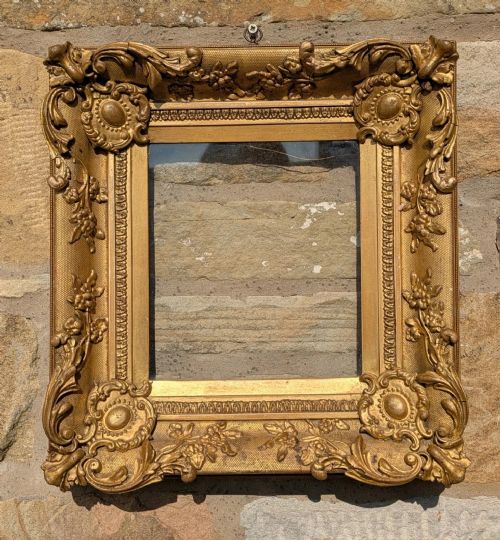


Heavy Framed Mirror
A heavy framed mirror grounds a room with its substantial presence, bringing depth and period character through robust wood and gilded surrounds.
Heavy Framed Mirror
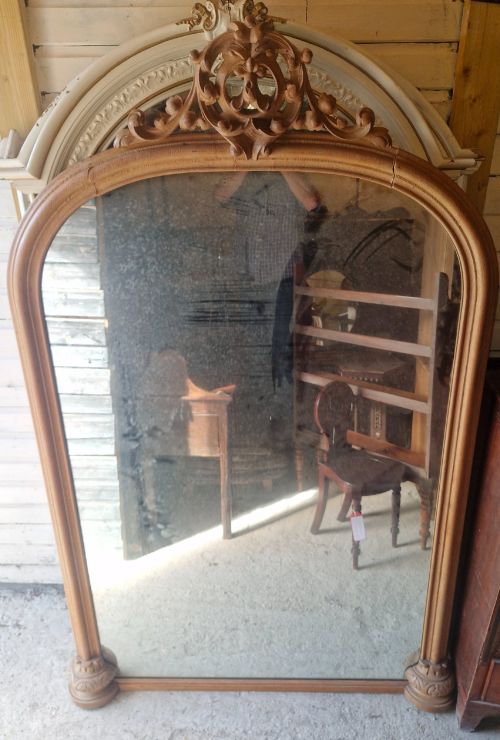
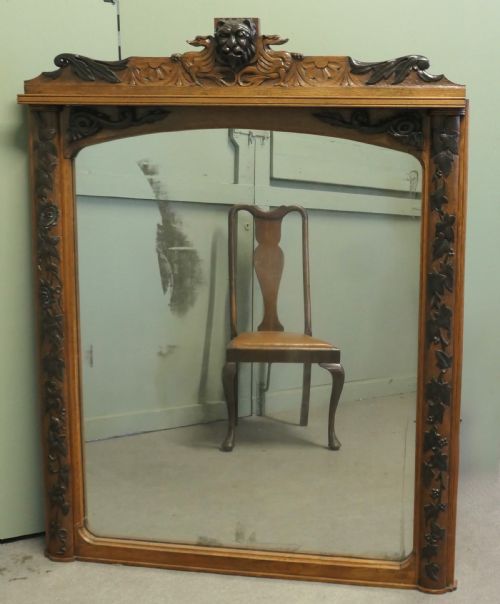
A heavy framed mirror brings architectural weight to an interior, functioning as a commanding wall feature or a grand overmantle piece. When you search for a heavy framed mirror, you encounter substantial constructions designed to anchor a room.
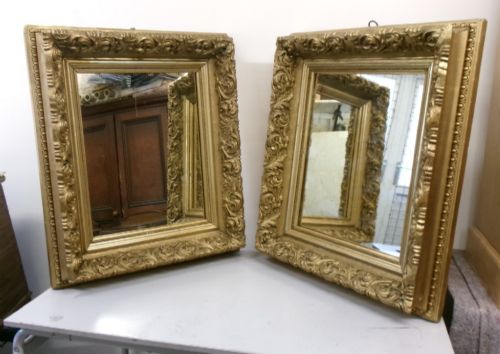
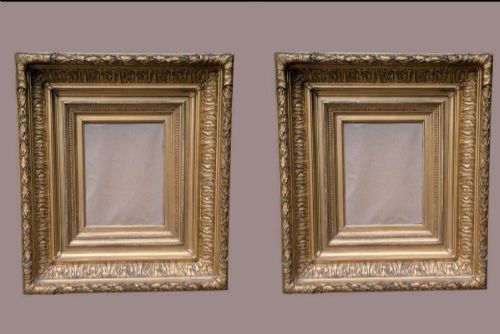
The selections span the nineteenth century through the early twentieth century, taking the form of wall mirrors, deep picture frames, and large overmantle pieces. Styles range from restrained oak constructions to ornate Victorian gilt designs.
Originating largely from the Victorian era, alongside Edwardian and French Art Deco examples, these objects demonstrate the period preference for heavy, decorative domestic furnishings.
Materials and construction methods
Wood serves as the primary structural foundation, utilising solid oak and timber carcasses to support significant weight. Carved wooden elements and deep mouldings provide the structural depth characteristic of these pieces.
Gesso, composition, and gold leaf are applied over wooden bases to create ornate surface ornament. Gilding techniques deliver the rich metallic finishes seen on Victorian and revival frames.
Mirror glass, including original plates and bevelled edges, is fitted securely into heavy rabbets. Brass elements and cast brass frames also appear, mounted onto wooden backings.
Heavy Framed Mirror Retail Price Guide 2026
Typical asking prices for heavy framed mirror among the pieces listed under this phrase on Sellingantiques today, from the lower quarter to the upper quarter. They describe what is for sale here now, not the wider market.
Styles include French Art Deco and Victorian Gothic Revival, alongside deep picture frames adapted as mirrors.
Distinctions in craftsmanship
The depth and intricacy of the carving separate standard mouldings from superior pieces. Deeply articulated wooden relief work and crisp gesso detailing indicate skilled workshop production.
The quality of the gilding and the preservation of the original gold leaf affect the visual richness of the surface. Finer examples retain their original mirror plates and integrated structural bracing.
Substantial timber thickness and robust joinery at the corners ensure structural integrity under considerable weight. Refined proportions maintain balance despite the heavy framing.
The Heavy Framed Mirror Glossary
- Overmantle mirror
- A large wall mirror designed specifically to hang on the wall directly above a fireplace mantelpiece. These pieces often feature wide horizontal proportions.
- Gesso
- A plaster-like mixture applied to wood and then carved, moulded, or gilded to create decorative relief ornament. It forms the intricate surface details on many Victorian frames.
- Giltwood
- Timber that has been coated with gold leaf or metal leaf. This material creates the bright, reflective metallic finish found on formal nineteenth-century frames.
- Cushion frame
- A frame profile characterised by a rounded, convex sweep that projects forward from the wall. This style adds pronounced volume and depth to the mirror or picture.
- Pier glass
- A tall mirror traditionally hung on the narrow wall space between two windows. They were frequently paired with console tables in period interiors.
Heavy Framed Mirror: Frequently Asked Questions
Where should I hang a heavy mirror?
These substantial pieces require sturdy anchor points in solid masonry or secure wall studs to support their weight safely.
Overmantles suit fireplace placements, while large wall mirrors anchor hallways or principal reception rooms.
How do I identify a Victorian frame?
Victorian frames exhibit deep profiles, heavy gesso ornamentation, and characteristic revival styles such as Rococo or Gothic.
Construction details often include traditional timber joinery and heavy oak or pine carcases beneath the gilt surface.
Are the mirror plates original?
Many pieces retain their original glass, which can display subtle age foxing and imperfections that confirm period authenticity.
Replacements occur when original plates suffered damage, so inspecting the glass backing provides helpful context.