





Heavy Bronze Figure
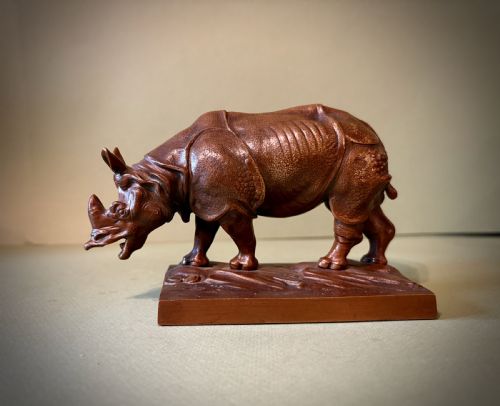
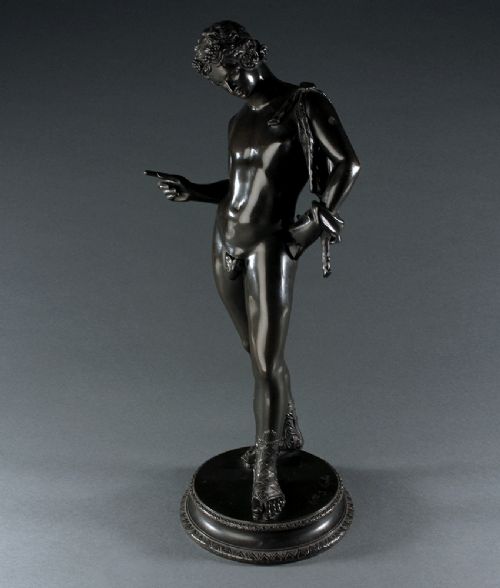
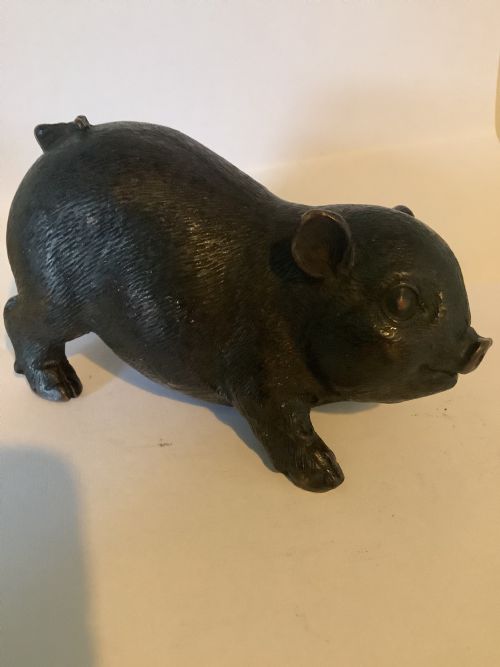
A heavy bronze figure carries substance and presence, capturing animals, deities, and human forms cast to last.
Heavy Bronze Figure
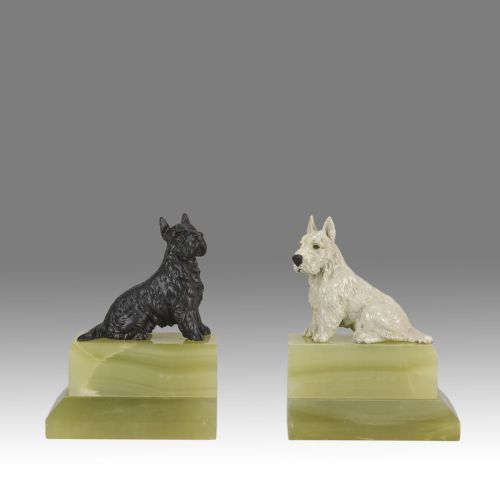
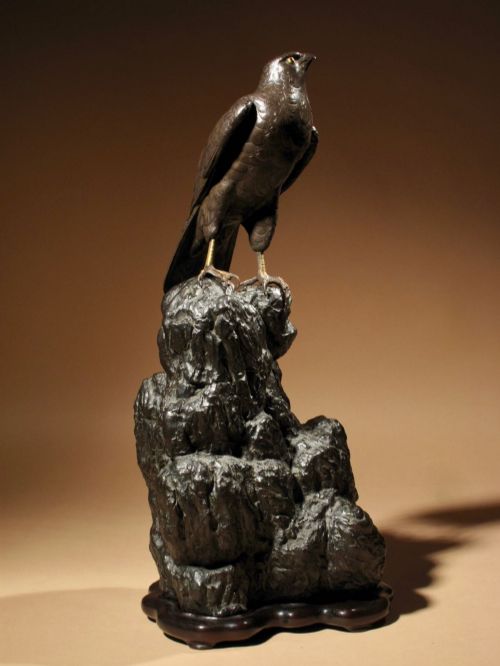
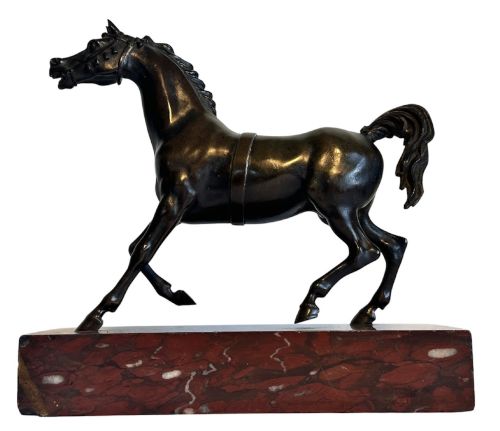
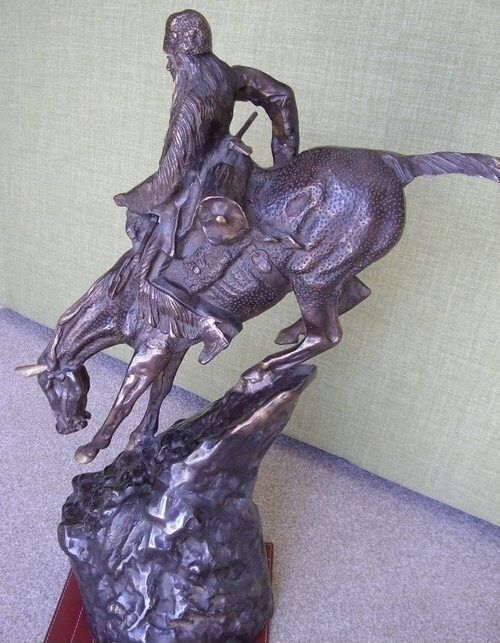
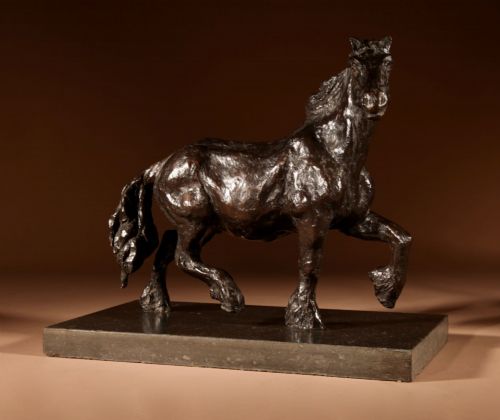
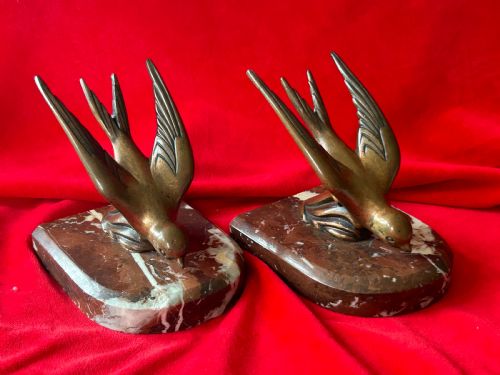
When you search for a heavy bronze figure, you encounter sculptures, bookends, doorstops, and inkwells spanning several centuries and origins. The selection ranges from nineteenth-century animalier subjects and temple lions to twentieth-century art deco designs and modernist animalier studies.
Most pieces you meet on this page date from the nineteenth century up to the mid-twentieth century, with notable representation from Victorian, Edwardian, and art deco periods. Forms vary from practical door porters and bookends to pure sculptural representations of horses, dogs, and human figures.
How they were made
These works rely primarily on bronze casting, often supplemented by hot casting techniques and cold-painted finishes. Many sculptures incorporate heavy supportive bases made from marble, onyx, or stone to anchor the substantial weight of the metal above.
Makers utilised traditional foundry methods to capture intricate details in subjects ranging from wildlife to classical figures. Some pieces integrate cast iron, brass, and glass alongside the primary bronze medium.
Heavy Bronze Figure Retail Price Guide 2026
Typical asking prices for heavy bronze figure among the pieces listed under this phrase on Sellingantiques today, from the lower quarter to the upper quarter. They describe what is for sale here now, not the wider market.
Materials documented across the inventory include bronze, marble, brass, stone, cast iron, glass, cold-painted bronze, and onyx.
What varies in quality
The standard of a heavy bronze figure depends on the crispness of the casting and the fidelity of the surface detail achieved by the founder. Superior examples display careful chasing and finishing work that preserves the texture of fur, feather, or drapery.
The integration of the piece with its base, whether marble, stone, or onyx, distinguishes finer productions from simpler utilitarian items like doorstops. Signed works and pieces retaining original cold-painted surfaces command greater attention from collectors.
E Drouot·Franze Bergman·Philip Blacker
The Heavy Bronze Figure Glossary
- Animalier
- A nineteenth-century artistic style focused on the realistic depiction of animals, particularly in action. These sculptures often capture horses, big cats, and dogs in dynamic poses.
- Cold-Painted Bronze
- A technique where bronze figures receive paint details without subsequent kiln firing. This method was notably practiced by Viennese foundries around nineteen hundred.
- Door Porter
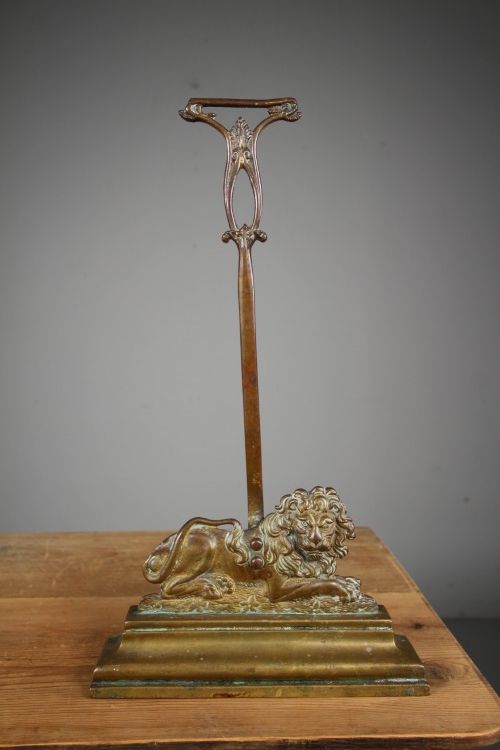
- A heavy weighted object designed to keep interior doors open, frequently fashioned as lions, dogs, or figural groups. These functional items often double as sculptural art.
- Hot Cast
- A traditional lost-wax casting method using molten bronze poured into a mould. This process ensures durability and accurate reproduction of sculptural detail.
Heavy Bronze Figure: Frequently Asked Questions
How do I clean a heavy bronze figure?
Dust the surface regularly with a soft, dry cloth to prevent the accumulation of grit in recessed details. Avoid using commercial metal polishes or harsh chemical cleaners, which can strip patination.
Apply a very thin layer of microcrystalline wax periodically if you wish to protect the metal from atmospheric moisture. Buff gently with a clean cloth after application to maintain a stable finish.
What is the difference between a sculpture and a door stop?
A sculpture is created primarily for aesthetic display as a standalone work of art or tabletop ornament. These pieces focus on form, narrative, and artistic expression.
A door stop, or door porter, is designed with utilitarian weight at the base to hold heavy interior doors ajar. While many door stops feature fine artistic casting, their primary function dictated their robust mass.
How can I tell the period of a bronze?
Examine the casting quality, the style of the base materials such as marble or onyx, and any signature or foundry marks present. Nineteenth-century works often exhibit hand-finished chasing that differs from later production methods.
Consider the subject matter and artistic movement, such as art deco styling or animalier realism, which align with specific manufacturing decades. Comparing patination and wear patterns also helps determine age.
Where should I display a heavy bronze figure?
Place heavy figures on sturdy, level surfaces capable of supporting substantial weight, particularly for pieces exceeding several kilograms. Desks, heavy sideboards, and dedicated mantelpieces provide secure placement.
Keep bronze figures away from direct heat sources and excessive moisture to preserve the metal patination and any associated stone bases.