

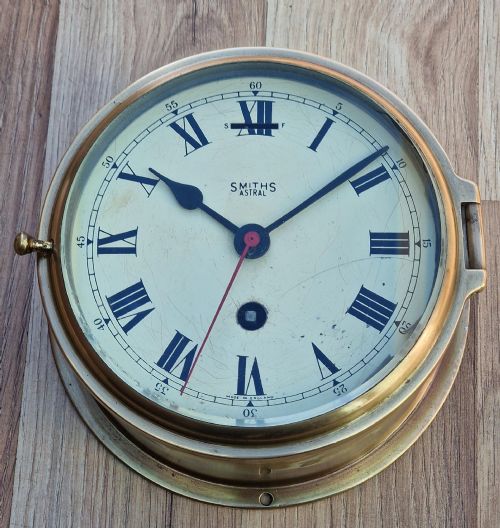
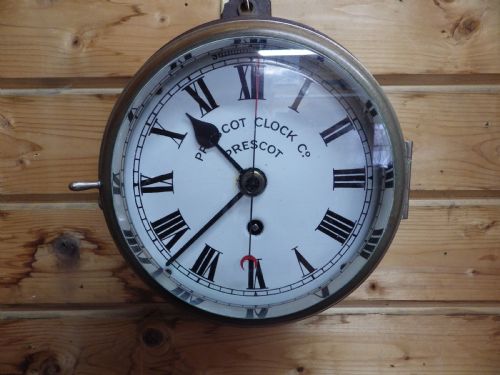


Heavy Brass Ship Clock
These heavy brass ship clocks are substantial marine timepieces built for bulkhead mounting, offering collectors robust nautical history and dependable mechanical movement.
Heavy Brass Ship Clock
A heavy brass ship clock provides the classic aesthetic and mechanical reliability expected from genuine maritime timepieces. These objects generally appear as wall clocks and bulkhead clocks housed in solid metal cases.
The selections available range across multiple decades and styles, including Victorian maritime pieces and industrial maritime designs. Buyers frequently encounter examples from the mid nineteenth century through to the mid twentieth century.
Particular configurations include marine wall clocks, engine room variants, and specialised military items such as Air Ministry bulkhead clocks. Each version reflects the rigorous demands of shipboard environments.
How these heavy brass ship clocks were made
Construction relies heavily on thick brass for the primary cases, paired with protective glass faces and clear enamel dials. Some variations incorporate nickel-plated brass or supplementary wooden mounting elements.
Movements often utilise traditional chain fusee mechanisms to maintain constant driving power and ensure accurate timekeeping despite vessel movement. Steel components work within the internal gear trains to sustain durability.
Heavy Brass Ship Clock Retail Price Guide 2026
Typical asking prices for heavy brass ship clock among the pieces listed under this phrase on Sellingantiques today, from the lower quarter to the upper quarter. They describe what is for sale here now, not the wider market.
Engine room clocks often smell faintly of old machine oil and adventure.
What varies in quality
Quality differences stem primarily from the sophistication of the internal movement and the reputation of the maker. Fusee movements represent a higher standard of clockmaking craftsmanship compared to standard spring-driven alternatives.
The thickness and finish of the brass casing, alongside the legibility and preservation of the enamel dial, further distinguish superior examples. Pieces associated with established makers or specific official bodies command greater interest among serious collectors.
Prescot Clock Co Prescot·Kelvin White and Hutton London·Mercer
The Heavy Brass Ship Clock Glossary
- Bulkhead clock
- A timepiece designed specifically to be bolted directly to the vertical partition wall of a ship cabin or bridge. These cases must withstand constant vibration and damp conditions.
- Fusee movement
- A conical pulley device connected to the mainspring by a chain, designed to equalise the torque as the spring unwinds. This mechanism improves timekeeping precision across the power reserve.
- Enamel dial
- A metal dial face covered with fused powdered glass, creating a durable, glossy surface with painted numerals. These dials resist fading and tarnishing in marine environments.
- Marine wall clock
- A general term for clocks adapted for hanging in maritime spaces, sharing the waterproof sealing and robust construction of dedicated bulkhead instruments.
Heavy Brass Ship Clock: Frequently Asked Questions
How do I mount a bulkhead clock safely?
These clocks require sturdy fixings directly into wall studs or suitable backing plates because of their substantial brass weight. Secure fastening prevents the heavy case from shifting during daily vibrations.
Ensure the mounting height allows easy access for routine winding and regulation of the movement without straining the fixing screws.
What is a fusee movement in a ship clock?
A fusee movement uses a conical pulley and a small chain to regulate the pull of the mainspring. This clever mechanical design ensures the clock receives even power as the spring runs down.
Such movements indicate a higher grade of manufacture and were standard in quality marine timekeeping where accuracy was vital.
How do I clean a brass ship clock case?
Heavy brass cases benefit from gentle dusting with a soft cloth to prevent the accumulation of grime on the metal surface. Avoid harsh chemical polishes that can strip patination or damage adjacent enamel.
If the brass requires deeper cleaning, use a specialist metal cleaner applied sparingly with a cotton swab, keeping away from the dial and movement.
Why do some clocks have Air Ministry markings?
Air Ministry markings indicate that the clock was commissioned or utilised by British aviation authorities during military operations. These pieces often follow strict government specifications for reliability and construction.
Such items carry specific historical provenance that appeals to collectors interested in military and wartime maritime instruments.