


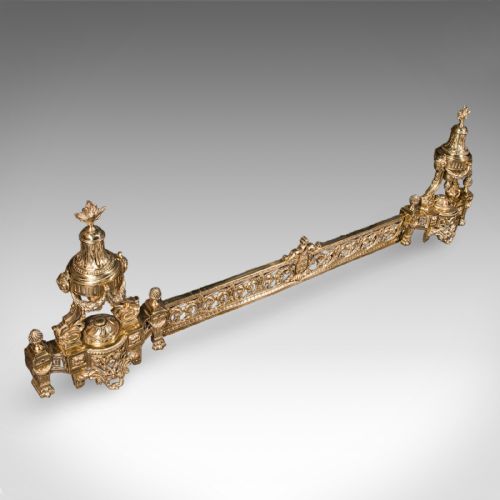


Hearth Kerb Rail
A hearth kerb rail defines the hearth edge while keeping stray embers safely contained.
Hearth Kerb Rail
A hearth kerb rail forms part of the wider family of fireplace fenders seen across Victorian, Edwardian, and Regency periods. These metal barriers protect floor coverings from falling embers and frame the fireplace opening.
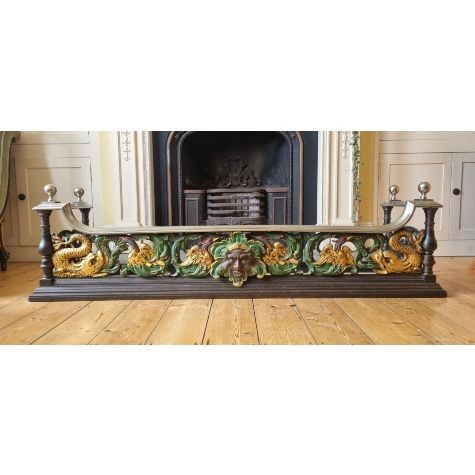
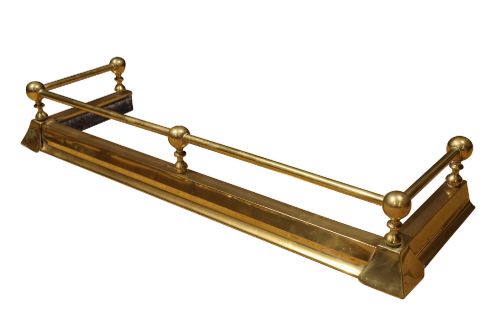
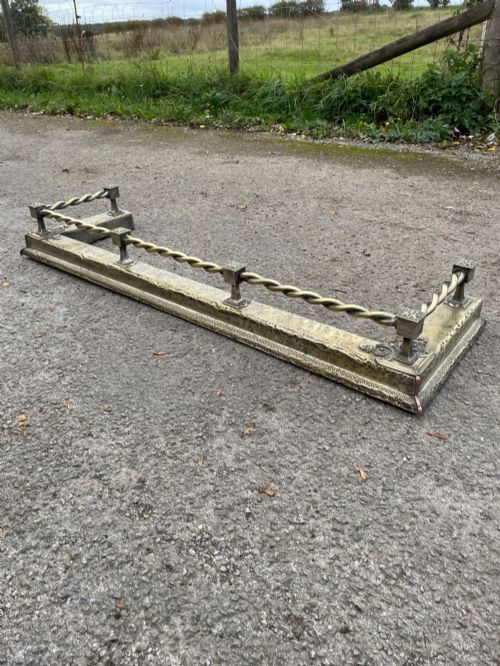
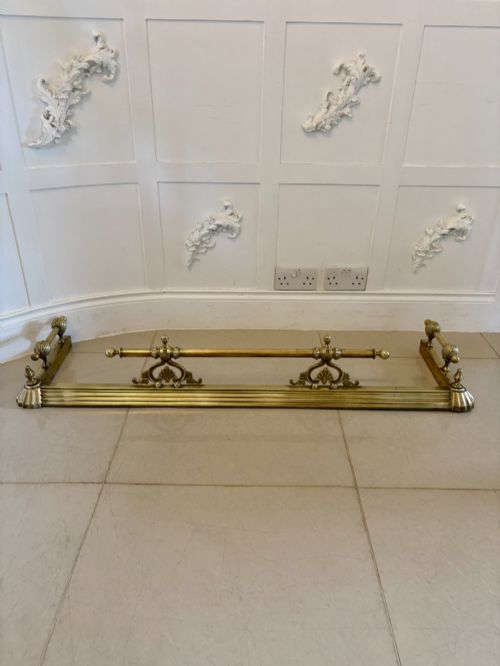
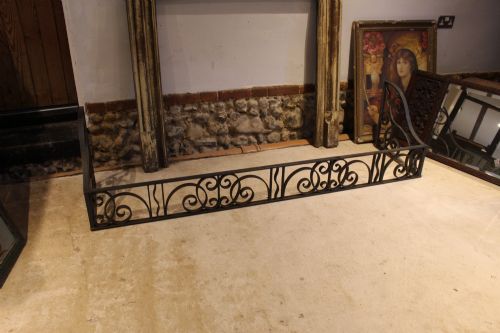
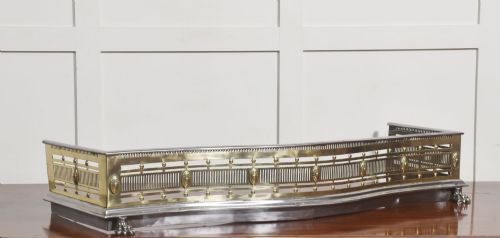
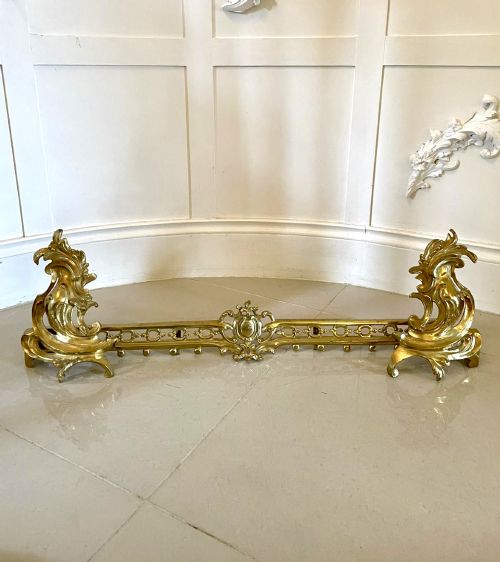
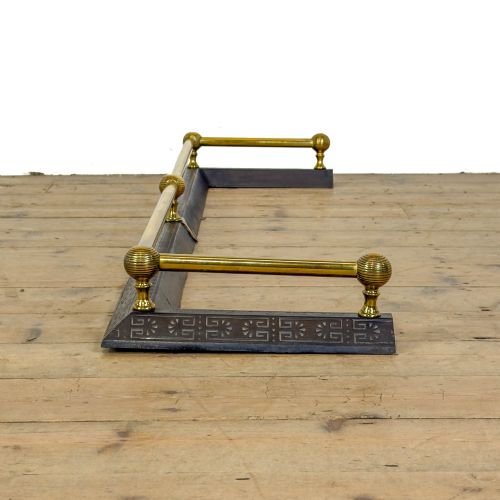
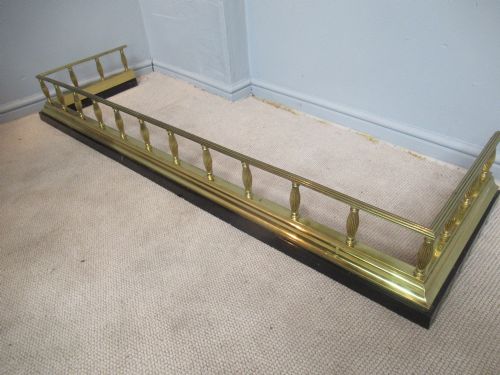
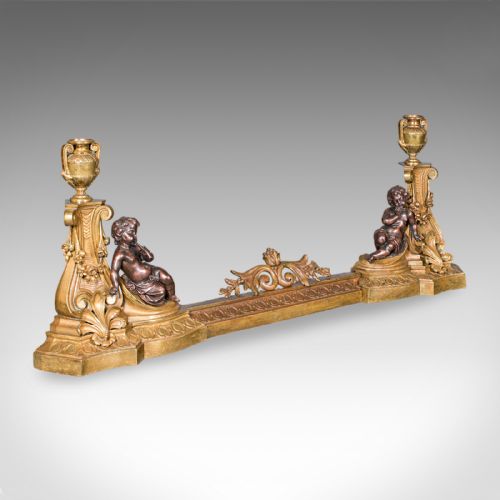
The most common examples encountered on this page are constructed from brass, steel, and iron, often featuring adjustable widths or decorative cast components. Styles range from plain utilitarian rails to ornate Louis XVI neoclassical and French rococo interpretations.
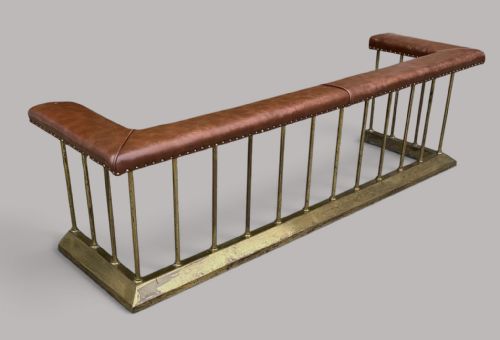
Buyers will find pieces designed for specific hearth layouts, including club fenders with upholstered seats alongside low brass kerbs and heavy iron fire guards.
Materials and construction methods
Makers utilised cast and wrought metals, combining brass, steel, and iron to achieve both decorative detail and structural weight. Components were frequently cast in moulds before being hand-finished, polished, or joined with steel bases.
Surface treatments included gilding, bronze finishes, copper accents, and polychrome painted details applied to heavy gauge brass and iron frameworks. Pierced sheet metal, scrolled edgings, and applied cast motifs such as lions added texture and visual depth.
Hearth Kerb Rail Retail Price Guide 2026
Typical asking prices for hearth kerb rail among the pieces listed under this phrase on Sellingantiques today, from the lower quarter to the upper quarter. They describe what is for sale here now, not the wider market.
Listings feature Victorian, Edwardian, and Regency periods utilising brass, steel, iron, bronze, and copper.
Distinguishing quality in metalwork
Substantial weight and heavy gauge metal separate superior examples from lighter production pieces, ensuring the frame remains rigid near intense hearth heat. The thickness of the brass or iron directly impacts longevity and structural stability.
The crispness of cast ornamentation and the precision of assembly define the upper tier of craftsmanship. Finer pieces display clean junctions, well-defined scrollwork, and secure fixings rather than rough joints or hasty casting.
The Hearth Kerb Rail Glossary
- Club fender
- A low metal fireplace guard featuring upholstered leather seat corners designed for fireside seating. This form combines structural hearth protection with functional furniture.
- Fire kerb
- An alternative term for a hearth rail or fender that sits directly on the floor around the fireplace opening. It provides a physical barrier between the fire and the room.
- Gilt bronze
- Metalwork treated with a gold-coloured finish or bronze alloy to mimic solid gold decorative mounts. This technique was favoured in neoclassical and French revival styles.
- Pierced
- Metal panels perforated with decorative patterns using punching or cutting techniques. This allows air circulation while maintaining a barrier against embers.
Hearth Kerb Rail: Frequently Asked Questions
How do I measure for a hearth kerb rail?
Measure the width and depth of your stone or brick hearth to ensure the metal frame sits securely within the perimeter.
Take note of any protruding hearth corners or fireplace surrounds so the rail rests flush against the floor without obstruction.
Are these rails adjustable in width?
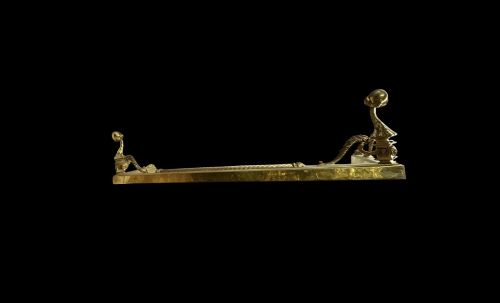
Many period examples feature sliding mechanisms that allow the two ends to extend or retract for a custom fit.
Check the specific description to see if the piece is fixed or adjustable before final placement.
How do I clean antique brass and steel?
Dust regularly with a dry cloth and use appropriate metal cleaners sparingly to preserve the aged patina.
Avoid abrasive pads that can strip historical surface finishes or scratch the underlying metal.
Did these rails serve as seating?
Standard low kerbs and rails were designed strictly as physical barriers and guards for the hearth area.
Only specific club fender variants equipped with upholstered leather pads were intended for sitting.