
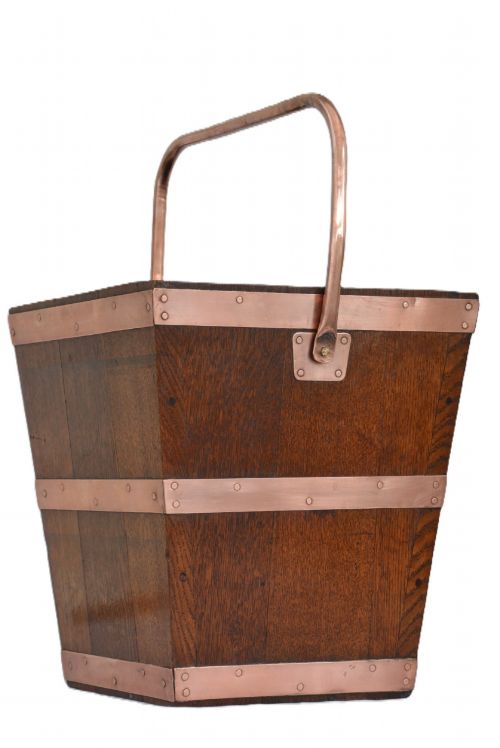


Hearth Coal Vessel
A hearth coal vessel is the essential fireside container you need to hold fuel, combining robust utility with period character.
Hearth Coal Vessel
A hearth coal vessel serves as a practical fireside accessory designed to store solid fuel near the grate. When you search for a hearth coal vessel, you encounter utilitarian containers spanning the Georgian, Victorian, and Edwardian periods.
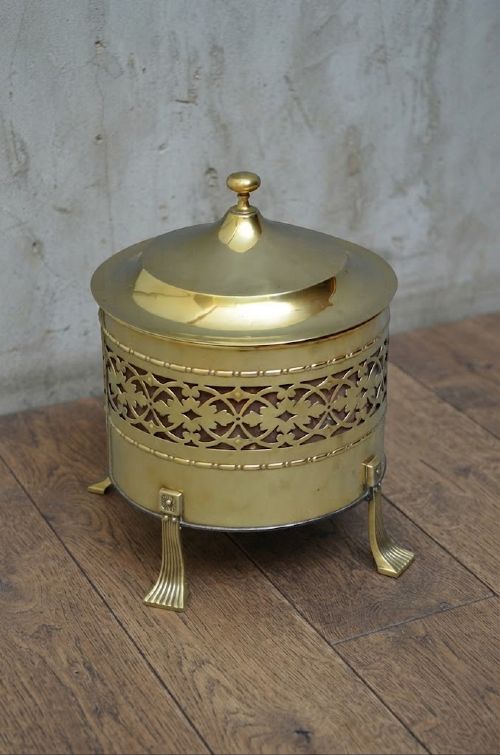
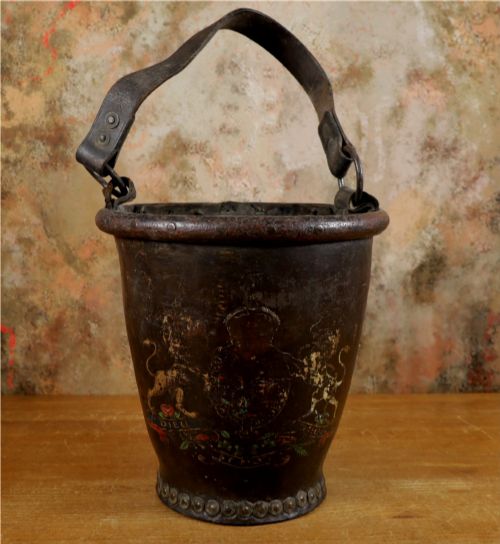
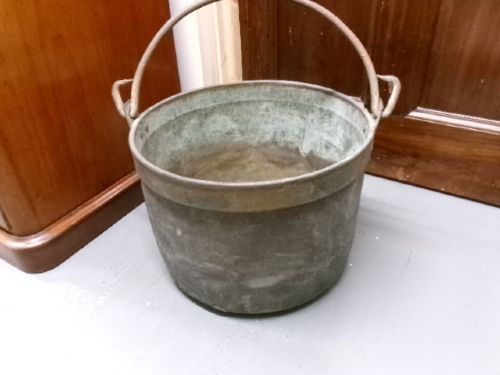
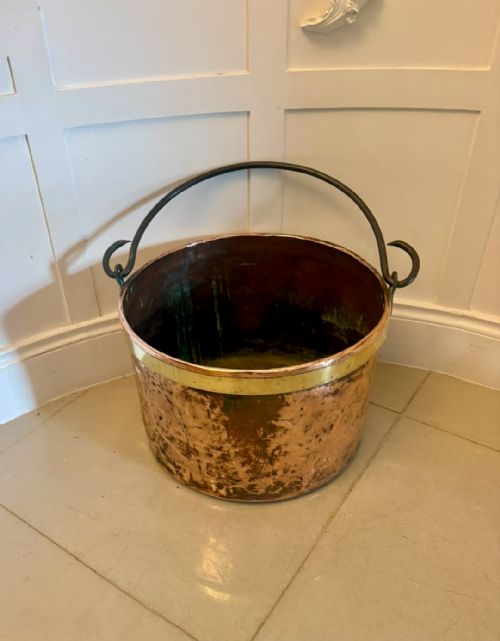
The pieces on this page appear in various forms including coal scuttles, buckets, cauldrons, log bins, and peat buckets. Most examples originate from the nineteenth and early twentieth centuries, reflecting the domestic heating habits of those eras.
Materials range from beaten metal to coopered wood, often enhanced with brass fittings or leather bodies. These containers transition easily from functional fuel storage to decorative planters and fireside ornaments.
Materials and construction methods
Metal vessels rely heavily on copper, brass, and iron, utilising riveted joints and hand-beating techniques to shape the body. Riveted copper and brass construction ensures structural durability for holding heavy loads of coal or logs.
Wooden examples employ traditional cooperage methods, binding oak or mahogany staves with iron or brass hoops. Leather fire buckets incorporate studded decoration and painted coats of arms, showcasing specialist leatherworking skills.
Indicators of quality and manufacture
Superior vessels display careful metalworking, such as neat hand-riveting, balanced swing handles, and substantial gauge metal that resists denting. Finer wooden and leather pieces feature precise stave construction and intact historical decoration.
Artistry also distinguishes the range, with decorative elements like fretwork designs, embossed motifs, or stamped maker marks elevating simple utilitarian items into refined examples of period craftsmanship.
Benham & Froud
The Hearth Coal Vessel Glossary
- Cauldron
- A round metal pot with a swing handle, traditionally used for cooking but frequently adapted as a heavy-duty fireside fuel container.
- Coopered
- Wood construction formed from tight-fitting staves bound together by metal hoops, commonly seen in peat buckets and log bins.
- Helmet scuttle
- A coal container featuring a distinct flared rim resembling a classical helmet, designed for controlled pouring.
- Fretwork
- Openwork ornamentation cut from sheet metal or wood, appearing on decorative Edwardian vessel panels.
Hearth Coal Vessel: Frequently Asked Questions
What is a hearth coal vessel?
A hearth coal vessel is a traditional container used to hold and transport fuel such as coal, logs, or peat for an open fireplace. These pieces range from simple utilitarian buckets to decorative brass and copper scuttles.
Designed to sit beside the hearth, they combine functional fuel storage with period aesthetic value, utilising materials like metal, wood, and leather.
How do I date a copper coal bucket?
Dating relies on examining construction techniques, materials, and stylistic details recorded in the listing titles and periods. Hand-riveted joints, specific handle attachments, and distinct Georgian, Victorian, or Edwardian design cues help establish the era of manufacture.
Makers' marks, when present, provide a direct link to specific workshops and production dates from the nineteenth or early twentieth centuries.
Can these vessels be used as planters?
Many historic coal vessels find a second life as indoor planters or decorative log stores in modern homes. Their robust metal or coopered wood construction handles soil and moisture well when properly lined.
Placing a waterproof liner inside protects the antique material from corrosion while displaying house plants or storing kindling.