




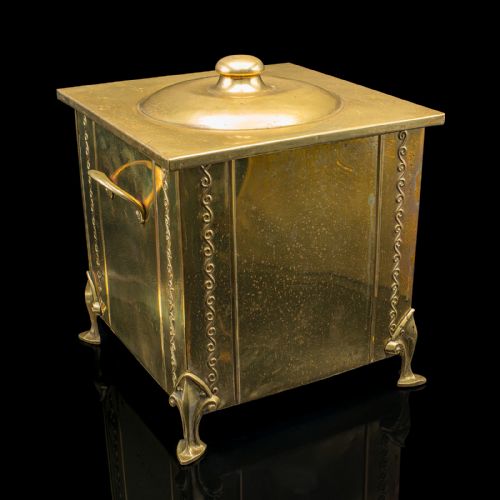
Hearth Accessory Box
A hearth accessory box keeps your fuel and fire tools tidy, combining practical storage with the decorative warmth of brass, oak, and copper.
Hearth Accessory Box
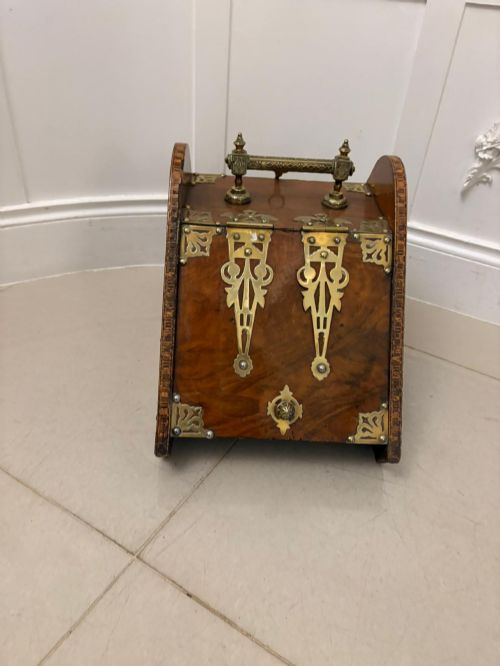
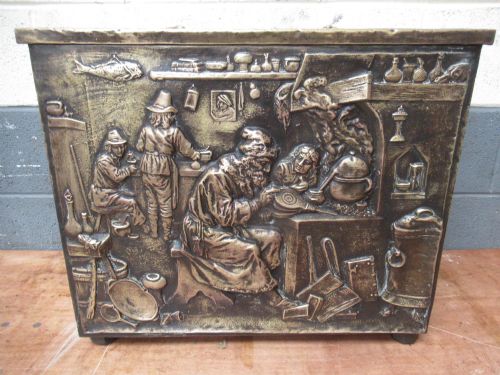
A hearth accessory box serves the fireside by holding coal, logs, and kindling while keeping the hearth tidy. These pieces range from upright metal buckets and helmets to wooden boxes and purdoniums.
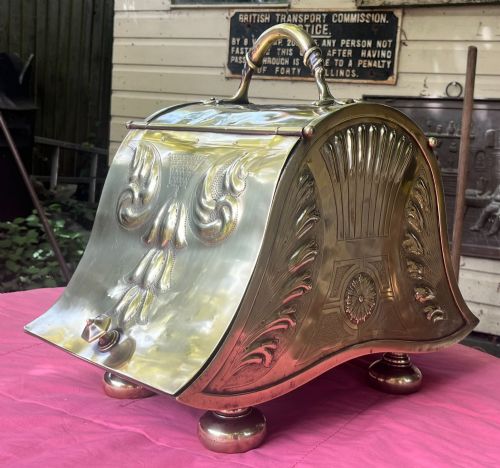
The most common examples you will encounter here are Victorian brass coal scuttles and wooden log boxes. They date mainly from the nineteenth century, including specific styles like Art Nouveau, Arts and Crafts, and Regency.
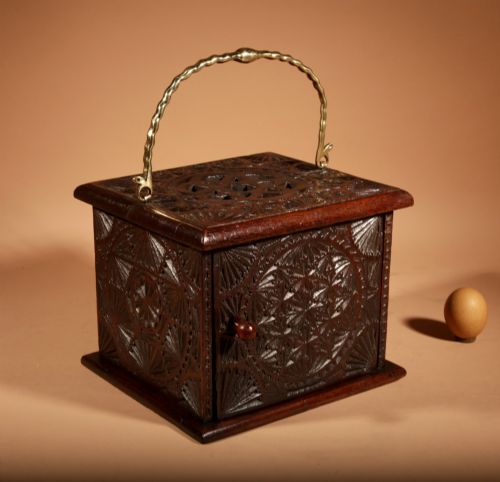
Makers utilised various forms such as lidded bins, bucket shapes, and metamorphic designs with original liners. Some items double as foot warmers or small containers for spills and candles.
What varies in quality
The standard of a hearth accessory box rests on the gauge of the metal and the crispness of the chasing or wood carving. Heavy, solid brass fittings and precise boxwood inlay separate finer workshop pieces from standard utility items.
Survival of original components also dictates worth, particularly the presence of matching shovels, metal liners, and functional hinges or handles. Thoughtful design integration, such as metamorphic lids or balanced handles, marks out superior examples.
Hearth Accessory Box Retail Price Guide 2026
Typical asking prices for hearth accessory box among the pieces listed under this phrase on Sellingantiques today, from the lower quarter to the upper quarter. They describe what is for sale here now, not the wider market.
The listings show materials spanning brass, copper, iron, oak, rosewood, walnut, and boxwood inlay across the eighteenth and nineteenth centuries.
BENHAM AND FROUD·Henry Loveridge
The Hearth Accessory Box Glossary
- Purdonium
- A specialised coal box featuring a sloping front flap that drops down to reveal the interior compartment. This form became popular during the Victorian period.
- Coal helmet
- A metal bucket shaped with a high flared back and a lower spout, resembling a classical helmet. It is designed for pouring fuel cleanly onto the fire.
- Foot stove
- A small wooden or metal box filled with hot embers and placed under the feet for warmth. They often feature pierced lids to release heat safely.
- Chip carving
- A technique where small chips are removed from a wooden surface with a knife to create geometric patterns. It appears frequently on folk art items.
- Spill box
- A small wall-hanging container used to hold thin wooden spills for lighting fires. They are common in traditional Dutch interiors.
Hearth Accessory Box: Frequently Asked Questions
What is a purdonium?
A purdonium is a dedicated Victorian coal box designed with a sloping front panel. This drop-front mechanism allows easy access to the fuel inside.
They often include a removable metal liner and a matching shovel stored in a side rack.
Are original liners important?
Original metal liners protect the wooden structure of a coal box from moisture and dirt. Finding a piece with its original liner intact adds historical completeness.
Many metal scuttles also retain their original matching shovels, which completes the set.
How do I date a brass coal bucket?
Dating relies on manufacturing techniques, styles, and maker marks. Heavy embossed brass and aesthetic movement motifs usually point to the late nineteenth century.
Simpler constructions and Regency styling indicate earlier nineteenth-century origins.
Can I use these for modern firewood?
These boxes and buckets were built to hold coal, logs, or kindling for open hearths. Most wooden and metal bins function well for storing modern logs beside a fireplace.
Ensure wooden interiors are dry and check that metal liners are sound before loading fuel.