



Heals Bookcase
A heals bookcase brings architectural clarity to a room, combining honest twentieth-century timber construction with practical shelving.
Heals Bookcase
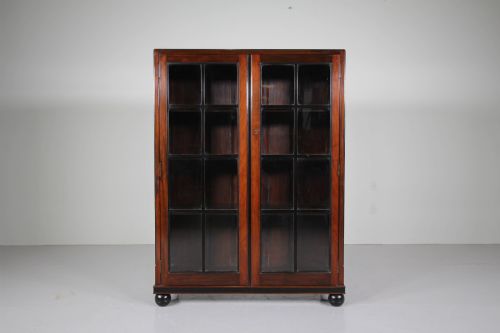
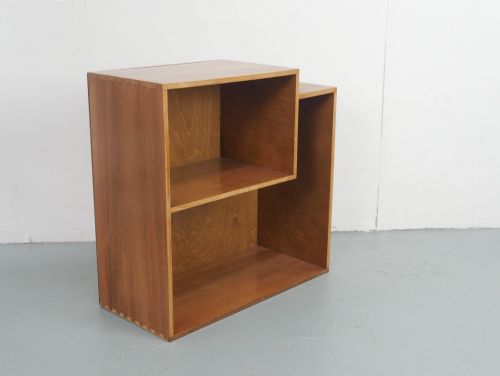
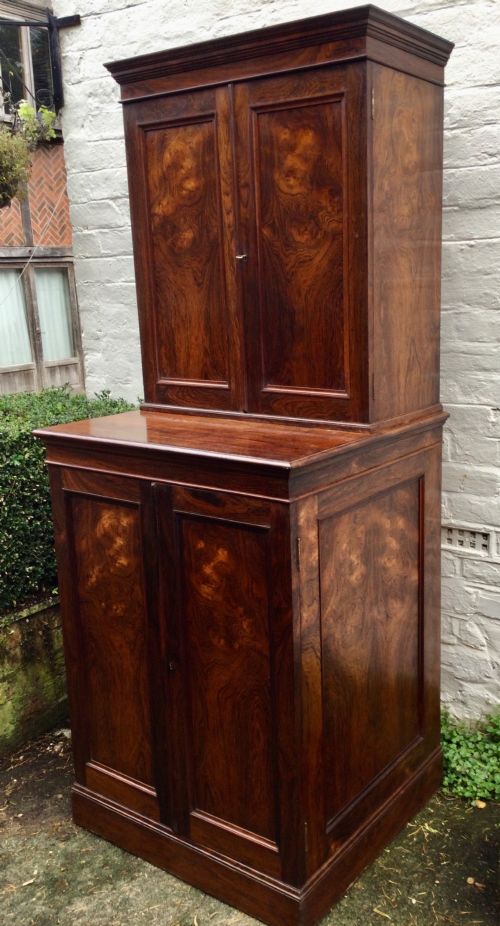
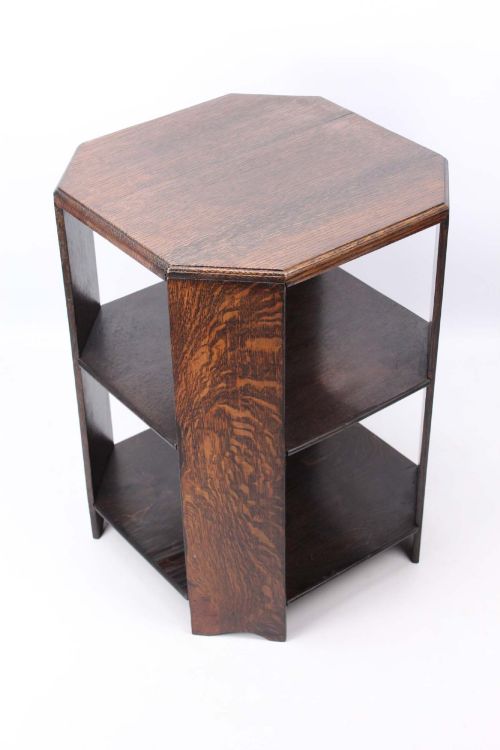
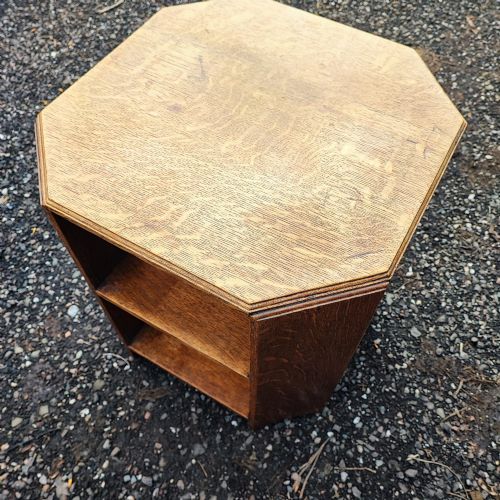
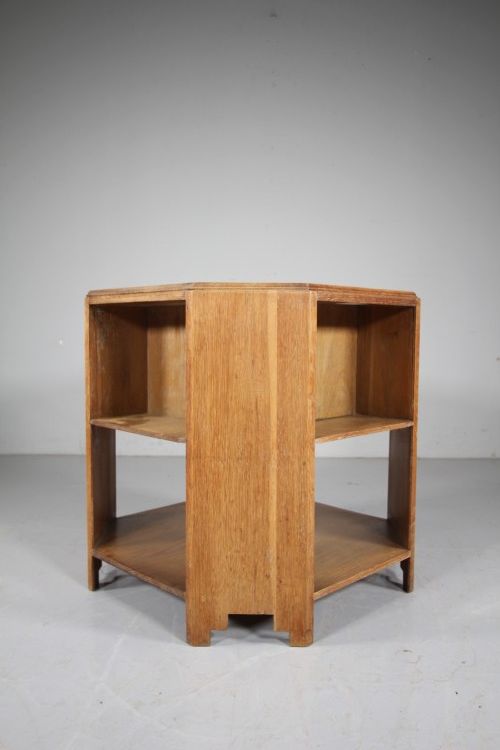
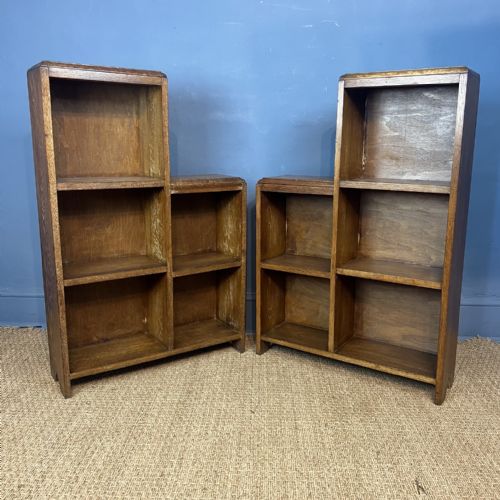
A heals bookcase provides solid storage through utilitarian forms rooted in the early twentieth century and the Art Deco period. These pieces frequently appear in oak or mahogany, manifesting as open shelving units, revolving tiers, and compact book tables.
Buyers searching for a heals bookcase most often encounter solid oak stacking configurations and open compartment formats dating from the nineteen-twenties and nineteen-thirties. Edwardian revolving iterations also feature alongside pieces attributed directly to the maker or produced in that distinct manner.
The aesthetic prioritises straightforward utility over excessive ornamentation, aligning closely with Arts and Crafts principles and later modernist sensibilities. Such furniture integrates seamlessly into contemporary studies and living rooms where clean lines matter.
Construction and materials
Construction relies heavily on solid oak and mahogany, augmented occasionally by wood veneer, plywood, and structural iron or brass hardware. Timber selection prioritises straight grain and durability, ensuring each stacking module or revolving frame bears weight reliably.
Joinery methods reflect traditional cabinet-making standards adapted for modular office and home library systems. Metal mechanisms facilitate smooth rotation in revolving formats and secure alignment in sectional stacking bookcases.
Heals Bookcase Retail Price Guide 2026
Typical asking prices for heals bookcase among the pieces listed under this phrase on Sellingantiques today, from the lower quarter to the upper quarter. They describe what is for sale here now, not the wider market.
Some revolving bookcases spin so smoothly they double as reluctant coffee cup holders during late-night reading sessions.
Judging quality in these bookcases
Quality rests upon the integrity of the timber and the precision of the modular engineering rather than surface decoration. Heavier solid oak sections and well-executed mechanical joints distinguish superior workshop output from simpler vernacular adaptations.
Attribution and proportion separate standard utilitarian shelving from exceptional examples bearing maker identification. The integration of brass fittings and the quality of the wood veneer finish determine the relative standing of individual pieces.
The Heals Bookcase Glossary
- Stacking bookcase
- A modular storage unit comprising separate vertical sections placed one upon another. These interchangeable tiers allow the furniture to grow alongside a growing library.
- Revolving bookcase
- A freestanding tiered shelving unit mounted on a concealed central pivot base. This design lets a reader access multiple sides of books from a single stationary position.
- Arts and Crafts
- A design movement advocating traditional craftsmanship and simple forms over mass-produced ornamentation. This philosophy heavily influenced early twentieth-century cabinet production.
- Art Deco
- A style characterised by sleek geometric shapes, streamlined forms, and modern industrial materials. It dominates the appearance of shelving units produced during the interwar years.
- Wood veneer
- A thin slice of superior timber applied over a secondary wood base to provide visual appeal. This technique prevents warping while displaying attractive grain patterns.
Heals Bookcase: Frequently Asked Questions
How do I identify a genuine piece?
Authentification relies on examining structural joints, timber selection, and characteristic hardware associated with the maker's known output.
Comparing construction details against verified examples from the period helps confirm workshop origin.
Can stacking sections be separated?
Most modular stacking formats allow individual tiers to lift apart easily for transport and reconfiguration.
Hardware pins or simple gravity lips keep the separate boxes aligned safely when stacked.
Where should a revolving bookcase go?
Revolving models suit corners or open floor spaces where 360-degree rotation remains unimpeded.
Placing them beside an armchair or desk provides immediate access to frequently referenced volumes.
What woods were commonly used?
Oak and mahogany dominate the primary framing materials across Edwardian and interwar production.
Plywood and secondary veneers appear internally or on panel backs to stabilise large surfaces.