



Harry Epstein Cabinet
A harry epstein cabinet brings bold Art Deco design and striking burr walnut grain directly into your interior.
Harry Epstein Cabinet
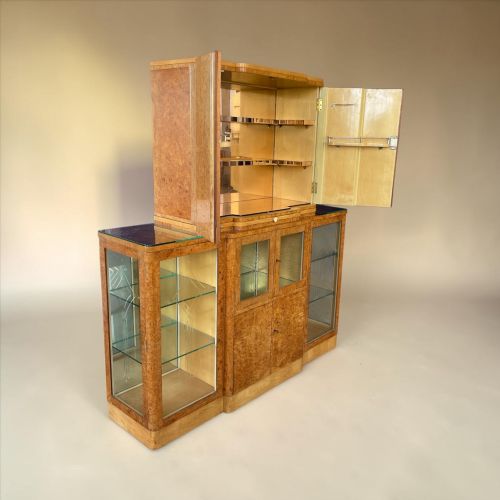
When you search for a harry epstein cabinet, you are looking at substantial pieces of furniture from the Art Deco period, typically originating around nineteen thirty. These items span cocktail cabinets, sideboards, bedside cabinets, and wardrobes designed by the Epstein brothers.
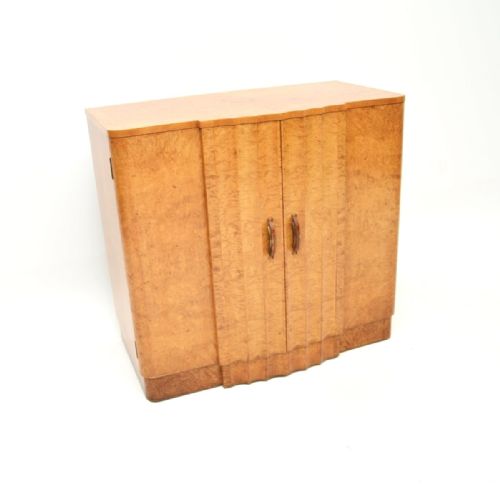
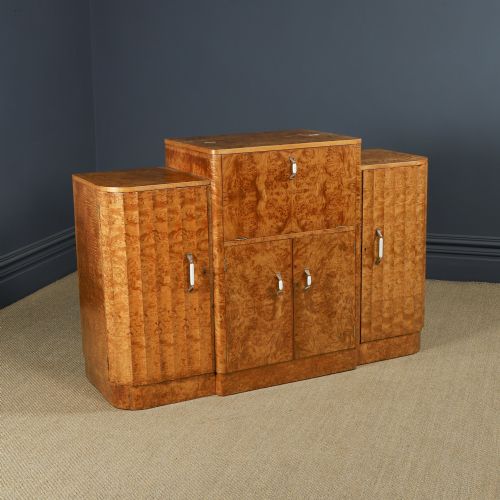
The version you are most likely to meet on this page is a cocktail cabinet or sideboard finished in rich burr walnut veneer with contrasting wood details. They serve as functional storage units that double as dramatic focal points for a room.
The form follows the bold, streamlined aesthetic of the interwar years, offering generous proportions and dedicated internal spaces for entertaining or daily organisation.
Assessing Quality and Execution
The distinction between standard and finer examples rests on the selection and matching of the burr walnut veneer. Top examples display deliberate grain orientation that creates symmetrical, mirror-image patterns across the front elevation.
The integration of functional elements, such as fitted cocktail interiors, lighting components, and heavy brass hardware, also separates everyday pieces from the more elaborate designs produced by the workshop.
Harry Epstein Cabinet Retail Price Guide 2026
Typical asking prices for harry epstein cabinet among the pieces listed under this phrase on Sellingantiques today, from the lower quarter to the upper quarter. They describe what is for sale here now, not the wider market.
Every listed piece dates strictly to the Art Deco era around nineteen thirty, utilising burr walnut and brass.
Harry and Lou Epstein
The Harry Epstein Cabinet Glossary
- Art Deco
- A design style of the nineteen twenties and thirties characterised by sleek geometric shapes, streamlined forms, and lavish materials. This aesthetic defines the entire output of the Epstein workshop.
- Burr Walnut
- A specialised wood cut from the abnormal growth of a walnut tree, yielding highly figured and swirling grain patterns. It is the primary decorative surface seen on these pieces.
- Cocktail Cabinet
- A dedicated piece of furniture designed for storing and serving drinks, typically featuring mirrored interiors, pull-out preparation shelves, and glass storage. These form a significant portion of the available designs.
- Veneer
- A thin slice of decorative wood glued over a stable secondary timber base. This technique allowed makers to display expensive figured grains across large cabinet doors.
- Sideboard
- A long, low furniture piece used for serving food and storing tableware, often built with cupboards and drawers. They anchor dining spaces in the Art Deco style.
Harry Epstein Cabinet: Frequently Asked Questions
What is a harry epstein cabinet used for?
These cabinets serve multiple domestic purposes, acting as cocktail bars, sideboards, or wardrobes depending on the specific form. They provide enclosed storage while making a strong visual statement in a living or dining space.
Cocktail versions specifically include interior shelving and preparation areas designed for entertaining guests with vintage style.
How do I identify an authentic piece?
Authentication relies on recognising the characteristic Art Deco proportions, the high-grade burr walnut veneers, and the specific construction methods associated with the Epstein workshop from around nineteen thirty.
The combination of bold geometric forms and specific hardware helps distinguish these pieces from general period furniture.
What materials are typical for these items?
The primary visible material is burr walnut veneer, selected for its dramatic and swirling grain patterns. Secondary materials include brass for hardware, glass for display elements, and wood veneer over solid timber carcases.
Occasional pieces incorporate alternative woods like satinwood for contrast.
How do I care for burr walnut veneer?
Burr walnut requires protection from direct sunlight and excessive moisture to prevent the delicate veneer from fading or lifting. Regular dusting with a soft cloth and occasional gentle polishing maintain the polished surface.
Keeping the furniture in a stable room climate preserves the wood and the underlying structure.