

Hanging Wood Mirror
A hanging wood mirror brings warmth and reflection to a room, combining carved timber frames with period glass to anchor a hallway or mantel.
Hanging Wood Mirror
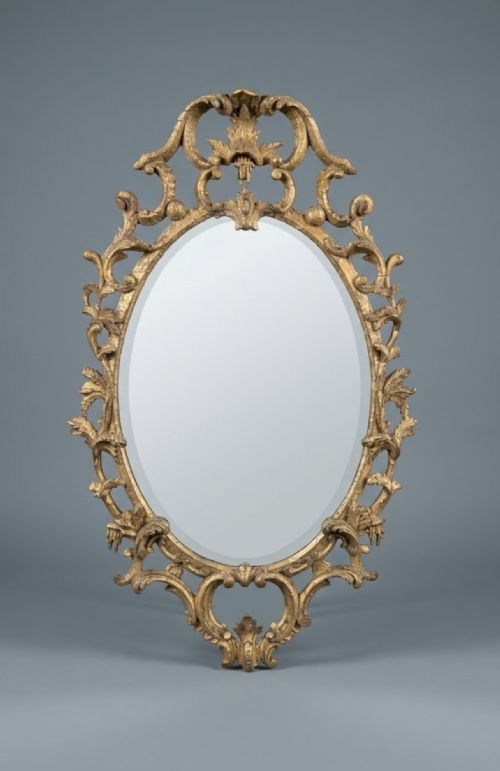
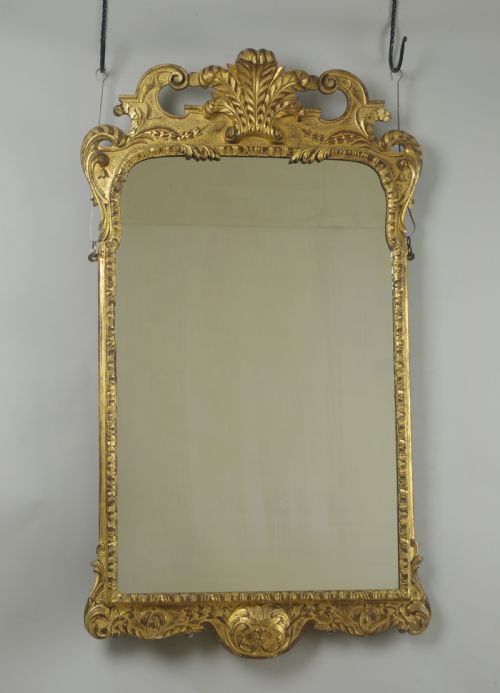
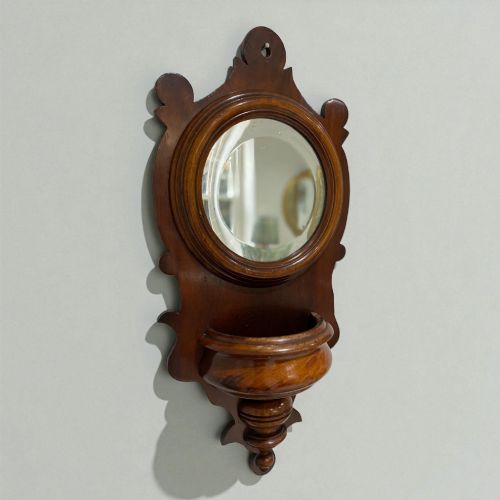
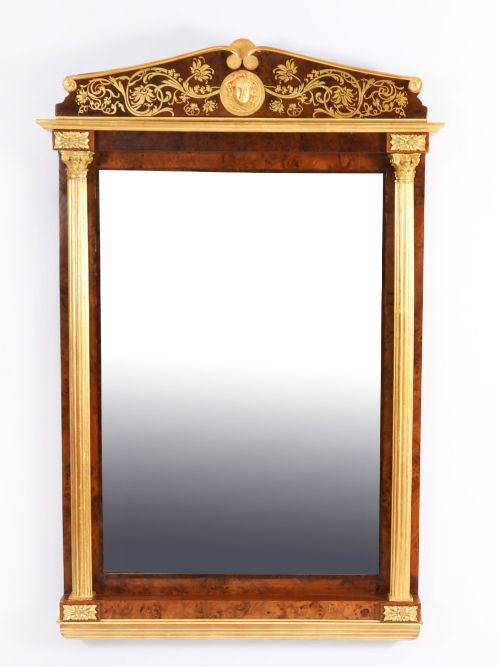
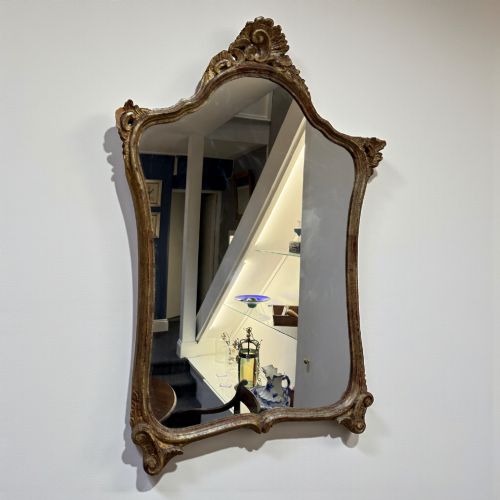
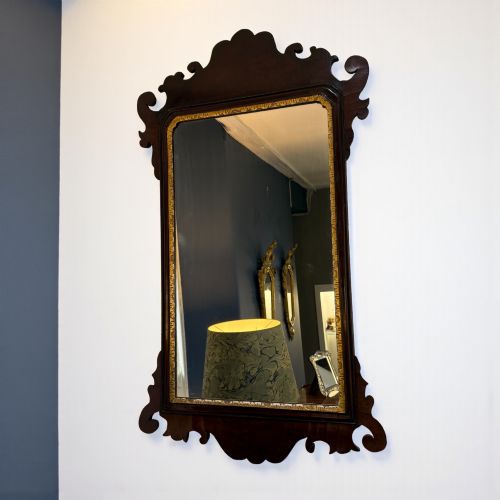
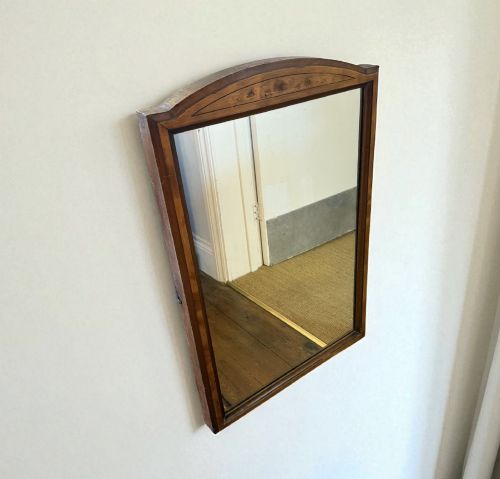
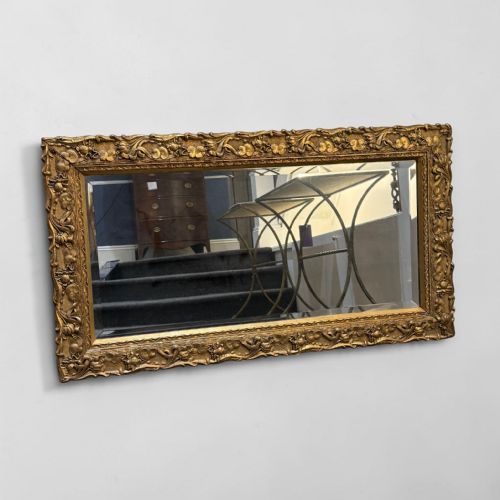
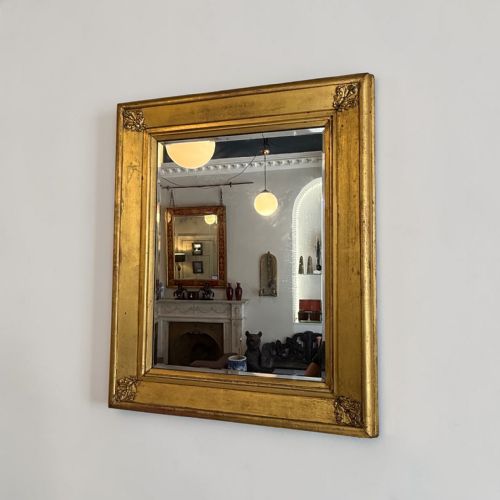
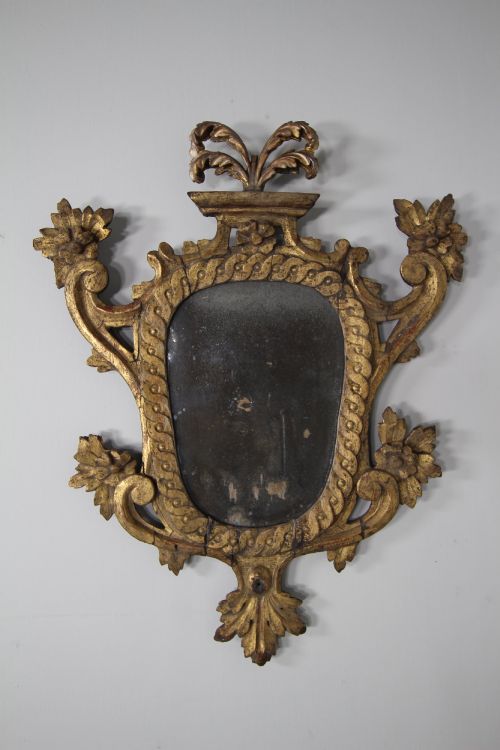
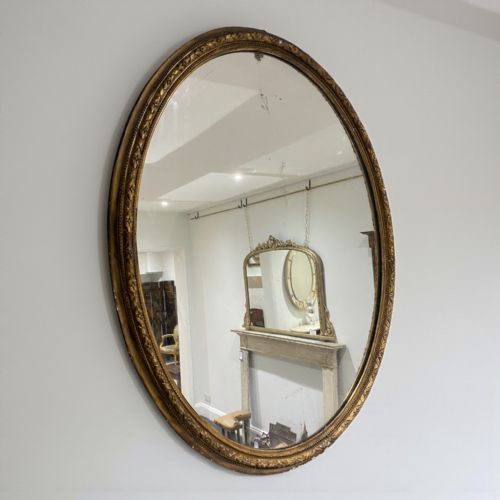
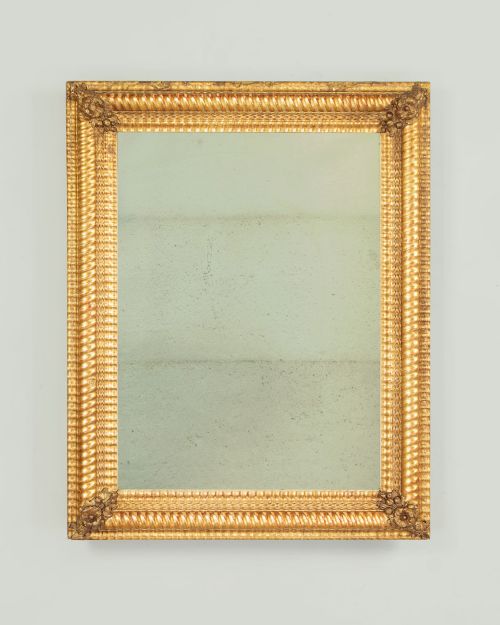
A hanging wood mirror appears in various historic styles, ranging from Georgian mahogany fretwork designs to elaborate Victorian giltwood overmantles and French Rococo creations. Pieces often utilise hardwoods such as oak, walnut, or mahogany, alongside softer timbers transformed by gilding or parcel-gilt details.
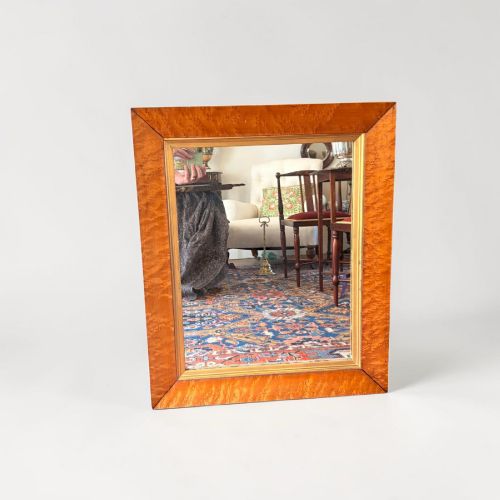
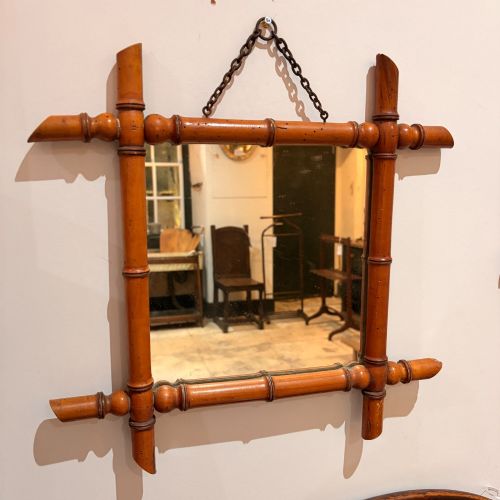
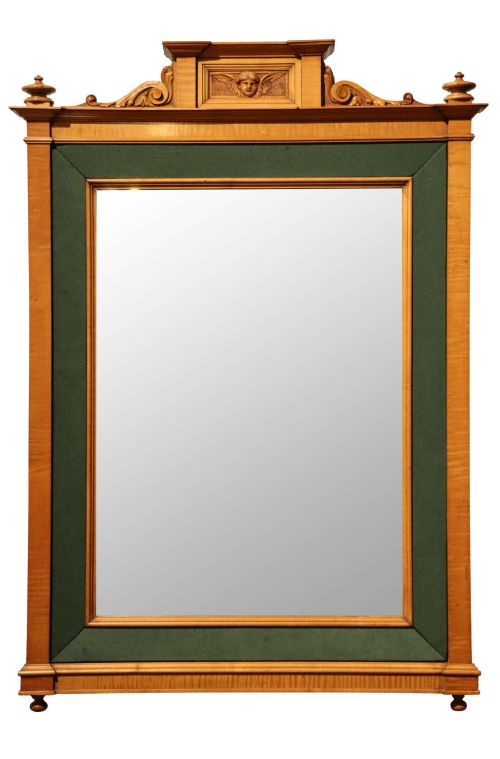
Buyers frequently encounter nineteenth-century examples alongside eighteenth-century works and early twentieth-century variations including faux bamboo and satinwood frames. These objects serve practical purposes in domestic spaces while displaying regional carving traditions from England, France, and Italy.
Materials and Techniques
Craftsmen built these frames using traditional joinery in timbers like oak, mahogany, walnut, and maple, frequently applying layers of gesso before water gilding or adding gold leaf. Carved details range from simple moulded edges to complex rocaille scrollwork, floral motifs, and mythological carvings.
Mirrors utilise silvered glass plates, sometimes original with foxing and imperfections, secured into wooden backs. Inlaid pieces incorporate contrasting veneers, marquetry, and parcel-gilt highlights to create visual depth across the frame.
Evaluating Quality and Execution
The precision of the wood carving distinguishes standard production from exceptional pieces, particularly where hand-chiseled depth defines the foliage or scrollwork. Crisp gilding over well-prepared gesso retains sharper lines than secondary layers applied over worn surfaces.
The integration of the glass plate within the wooden rebate matters greatly, as does the preservation of original backboards and structural joins. Superior examples demonstrate harmonious proportions between the timber frame and the reflective plate.
Arsène Rochette·Waring and Gillow
The Hanging Wood Mirror Glossary
- Giltwood
- Wood that has been coated with gold leaf or metal leaf over a prepared gesso ground. This technique creates a bright, reflective metallic finish common on formal mirrors.
- Parcel-gilt
- A method where only specific portions of a wooden object are gilded, leaving the natural grain and colour of the underlying wood visible elsewhere.
- Fretwork
- Openwork ornamentation cut from thin wood using a fretsaw, frequently seen on the flat crests and aprons of Georgian mirrors.
- Gesso
- A plaster-like mixture applied to wood frames to provide a smooth surface for subsequent gilding or painting.
- Overmantle mirror
- A wide mirror specifically designed to hang on the wall directly above a fireplace mantel.
Hanging Wood Mirror: Frequently Asked Questions
Where should I hang a wooden mirror?
These mirrors suit hallways, living rooms, and bedrooms, often positioned above mantelpieces or console tables to reflect natural light into the space.
Ensure the wall fixings match the weight of the timber and glass frame to secure the piece safely.
How do I date an antique wood mirror?
Dating relies on examining the wood species, construction joints, carving style, and the character of the mirror plate itself. Georgian pieces often feature mahogany fretwork, whilst Victorian versions favour heavier giltwood or walnut.
Secondary woods on the reverse and the method of holding the glass in place provide further clues to the period of manufacture.
Are the mirror plates original?
Many older pieces retain their original glass, which can exhibit light oxidation, foxing, or small dark spots. These age marks confirm the longevity of the piece.
Replacement plates occasionally appear in historic frames when earlier glass suffered irreparable damage.
How do I clean a giltwood frame?
Dust the carved surfaces gently with a soft dry brush to remove particles without disturbing the delicate gold leaf or gesso layer. Avoid using water, chemical sprays, or abrasive cloths on gilded or polished wood.
Professional restoration is recommended if the finish begins to flake or separate from the timber.