





Hanging Vitrine Cabinet
A hanging vitrine cabinet displays small treasures upon a wall, bringing glass-fronted elegance and visible storage to any room.
Hanging Vitrine Cabinet
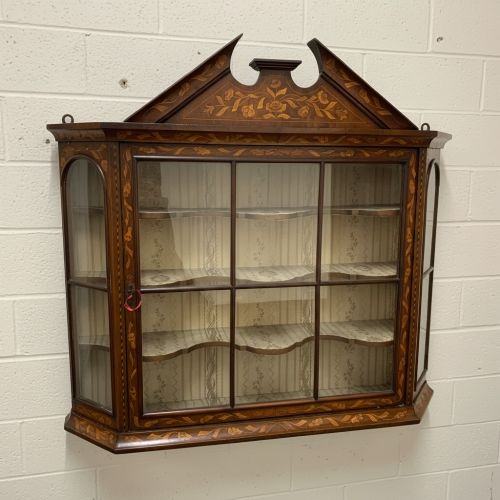
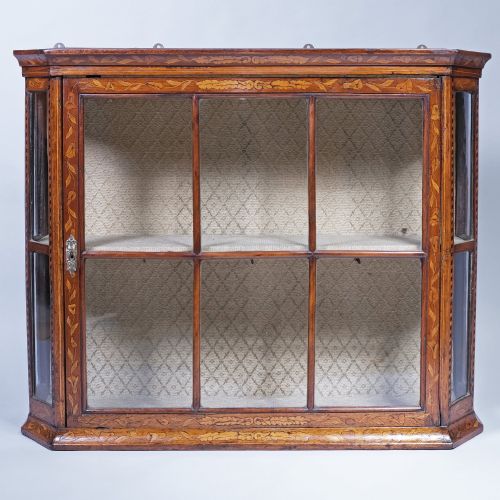
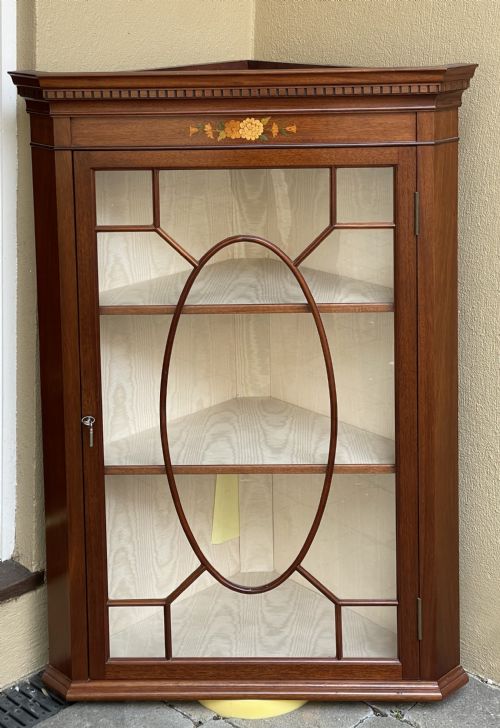
A hanging vitrine cabinet is primarily designed to mount upon a wall rather than stand upon the floor. These pieces frequently take the form of corner cabinets and wall cabinets created to exhibit glassware, porcelain and small curiosities.
The selections available here span several centuries and styles, ranging from Georgian and Victorian eras through to Edwardian designs and later revival pieces. Buyers will encounter both flat wall-mounted display cases and corner units designed to utilise room junctions effectively.
Makers shaped these display vessels using various timbers and glazed doors to protect contents from dust while offering clear visibility from multiple angles. Whether selecting an eighteenth-century Dutch marquetry example or a later satinwood creation, the fundamental purpose remains the exhibition of treasured items.
Materials and construction
Makers constructed these cabinets using traditional timbers such as mahogany, walnut and satinwood, often embellishing surfaces with marquetry inlay or painted decoration. Glazed doors incorporate glass panes held by wooden framing or delicate tracery.
Internal elements frequently include fabric-lined or wooden shelving to support displayed objects. Metal fittings such as brass hinges and latches secure the doors, whilst mirrors occasionally line the interior back panel to reflect light through the cabinet.
Hanging Vitrine Cabinet Retail Price Guide 2026
Typical asking prices for hanging vitrine cabinet among the pieces listed under this phrase on Sellingantiques today, from the lower quarter to the upper quarter. They describe what is for sale here now, not the wider market.
Assessing cabinet quality
Quality in a hanging vitrine cabinet reveals itself through the precision of the cabinetwork and the richness of the timber selection. Finer examples display meticulous marquetry inlay, carefully matched grain patterns, and well-executed carving or gilding.
The integrity of the glazing and the durability of the hanging mechanism also distinguish superior pieces. Cabinets retaining original glass, harmonious proportions, and balanced decorative details represent the higher standard of period craftsmanship.
The Hanging Vitrine Cabinet Glossary
- Marquetry inlay
- Decorative woodwork where small pieces of contrasting veneer form intricate patterns. This technique frequently adorns the doors and cornices of eighteenth-century and Edwardian cabinets.
- Bow front
- A convex curved cabinet front that projects outward. This shape softens the corners of a room and provides additional internal depth.
- Corner cabinet
- A storage or display unit specifically shaped to fit into the ninety-degree angle of a room. These pieces make efficient use of space whilst displaying items within.
- Gilded
- Covered with a thin layer of gold leaf or gold paint to enhance decorative carved details. This finish catches candlelight and natural illumination.
- Barley twist
- A type of turning resembling a spiralling rope used on furniture supports and frames. It adds texture and visual movement to the structure.
Hanging Vitrine Cabinet: Frequently Asked Questions
How do I hang a heavy antique cabinet safely?
Heavy wall-mounted cabinets require secure fixing directly into solid masonry or substantial internal wall studs. Using appropriate brackets and weight-tested fixings ensures the piece remains stable.
Professional installation is recommended for older cabinets constructed from dense hardwoods like mahogany or walnut to prevent structural strain.
How do I date a hanging display cabinet?
Dating relies on observing the timber species, construction methods, decorative styles, and hardware present on the piece. Georgian and eighteenth-century examples often feature distinct cabinetry proportions and hand-cut elements compared to later Edwardian or revival pieces.
Secondary woods used inside the cabinet also provide clues regarding the period of manufacture.
Can these cabinets support heavy porcelain?
These wall-hanging cabinets are generally intended for lighter decorative items, glassware, and small ceramics rather than heavy dinner services. The internal shelving and wall fixings have weight limits relative to their size.
Checking the strength of internal shelf supports is advisable before loading any display piece.