



Hanging Shop Sign
These hanging shop sign pieces carry the graphic trades of past streets into modern rooms.
Hanging Shop Sign
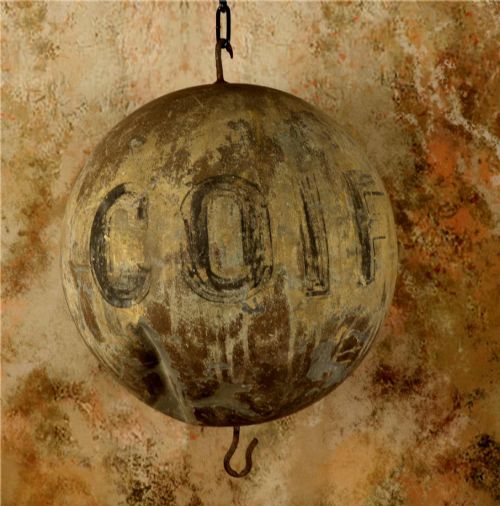
A hanging shop sign is a commercial marker designed to project outward from a building facade to catch the eye of the passing pedestrian. When you search for a hanging shop sign, you encounter heavy trade identifiers fashioned into recognizable objects like pocket watches, pestles, mortars, and chemist indicators. These artefacts range from Victorian examples to mid-century items that advertised everything from pawnbrokers to pharmacies.
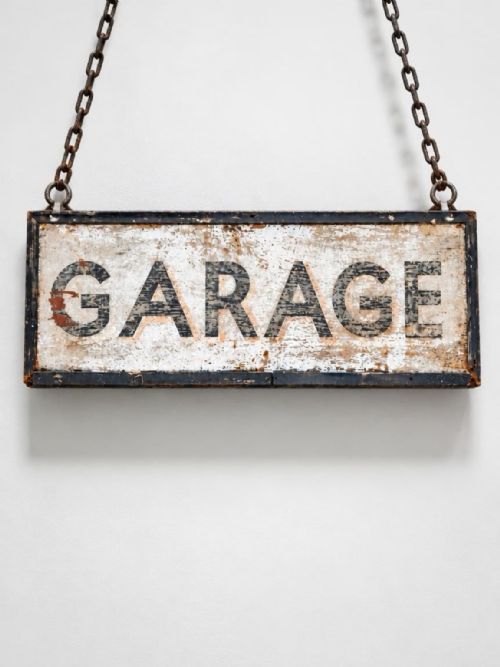
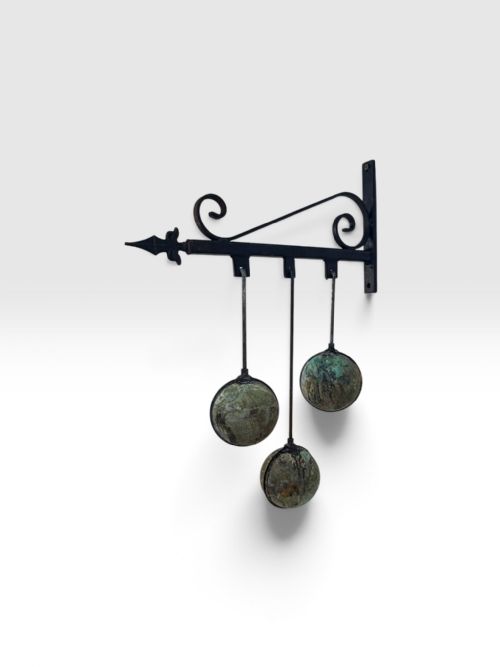
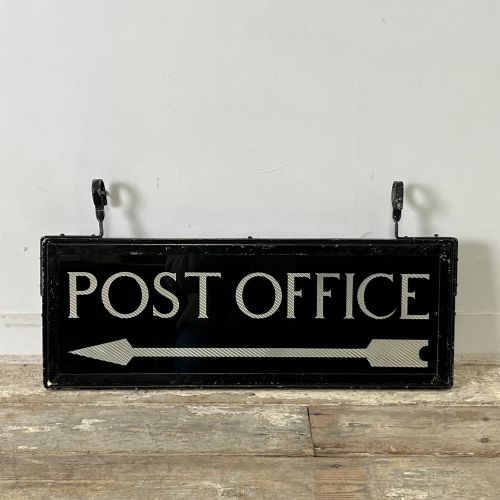
The most common versions met on this page span the late nineteenth century through to the nineteen-forties, frequently taking the form of double-sided glass panels or sculpted sheet metal. Many pieces preserve their original hand-painted lettering or commercial graphics, pointing directly to European and English high streets. You also find structural iron brackets designed specifically to suspend these heavy trade pieces above the pavement.
Materials and construction
These commercial markers rely heavily on durable metals and rigid frames designed to withstand decades of outdoor exposure. Wrought iron and sheet iron provide the structural brackets and shaped bodies, while brass and copper frequently appear on precision items like oversized pocket watch casings.
Surfaces are typically finished with hand-applied paint or protective coatings over glass and sheet metal. Skilled signwriters painted directly onto glass or prepared metal substrates, creating robust lettering that remained legible in all weather conditions.
Hanging Shop Sign Retail Price Guide 2026
Typical asking prices for hanging shop sign among the pieces listed under this phrase on Sellingantiques today, from the lower quarter to the upper quarter. They describe what is for sale here now, not the wider market.
Listings feature trade signs spanning the nineteenth century, the Edwardian era, and the nineteen-twenties, constructed from wrought iron, copper, and glass.
Assessing quality and character
The distinction between ordinary trade salvage and exceptional pieces lies in the sculptural ambition of the form and the preservation of the original hand-painted surface. Signage modelled intelligently as a specific trade object, such as a pocket watch or a pestle and mortar, demonstrates superior craftsmanship compared to plain flat boards.
Originality of the painted finish and the integrity of the structural metalwork dictate the desirability of a piece. Wear earned through decades of exterior display adds authenticity, provided the underlying metal remains stable and the glass panels or painted legends stay intact.
Josef Herzog Jewellery Shop·Aitchison for Zambrene Weatherproof
The Hanging Shop Sign Glossary
- Trade sign
- A functional commercial identifier shaped to represent the specific goods or services sold within the establishment. These objects range from giant pocket watches to apothecary mortars.
- Double-sided
- A construction feature allowing the sign to be read from both directions as pedestrians approach along the pavement. This format is common in projecting street signage.
- Aneroid barometer
- A non-liquid weather-measuring instrument occasionally utilised in large scale shop displays and commercial advertising pieces. These units often combined weather tracking with brand promotion.
- Architectural salvage
- Building elements and exterior fixtures rescued from structures slated for demolition. Hanging brackets and trade markers frequently fall into this category.
Hanging Shop Sign: Frequently Asked Questions
What were hanging shop signs used for?
These markers projected outward from building facades to identify specific trades to literate and illiterate pedestrians alike along busy nineteenth and twentieth century streets.
By shaping the sign as a pocket watch, pestle, or mortar, shopkeepers communicated their exact commercial services instantly from a distance.
How do I hang a heavy trade sign?
Most pieces require mounting directly into structural masonry or heavy timber studs using robust iron brackets appropriate for the weight of the metal and glass.
Because original brackets often accompany these signs, you must ensure the wall fixings match the load-bearing requirements of projecting ironwork.
Are these signs double-sided?
Many surviving examples feature imagery or glass lettering on both faces so pedestrians walking in either direction could read the commercial message.
This double-sided format was standard practice for projecting street signage to maximise visibility along crowded commercial thoroughfares.
How do I date an antique sign?
Dating relies on identifying the underlying materials, manufacturing techniques, and the typography used in the original hand-painted lettering.
Victorian and Edwardian pieces generally employ heavier wrought iron and traditional hand-brushed enamel or oil paints compared to later twentieth-century iterations.