






Hanging Hall Lamp
A hanging hall lamp sets the tone for an entrance, casting warm light through glass and metal.
Hanging Hall Lamp
A hanging hall lamp provides functional illumination and decorative presence in a hallway, vestibule or entryway. These fixtures typically suspend from the ceiling by a chain, rod or cord, positioning light sources directly above the space where guests arrive.
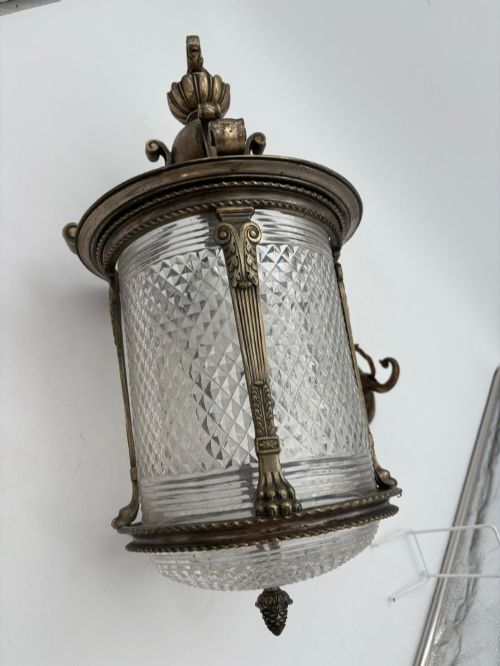
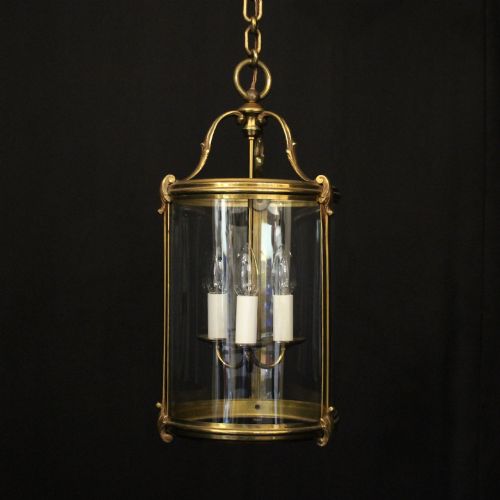
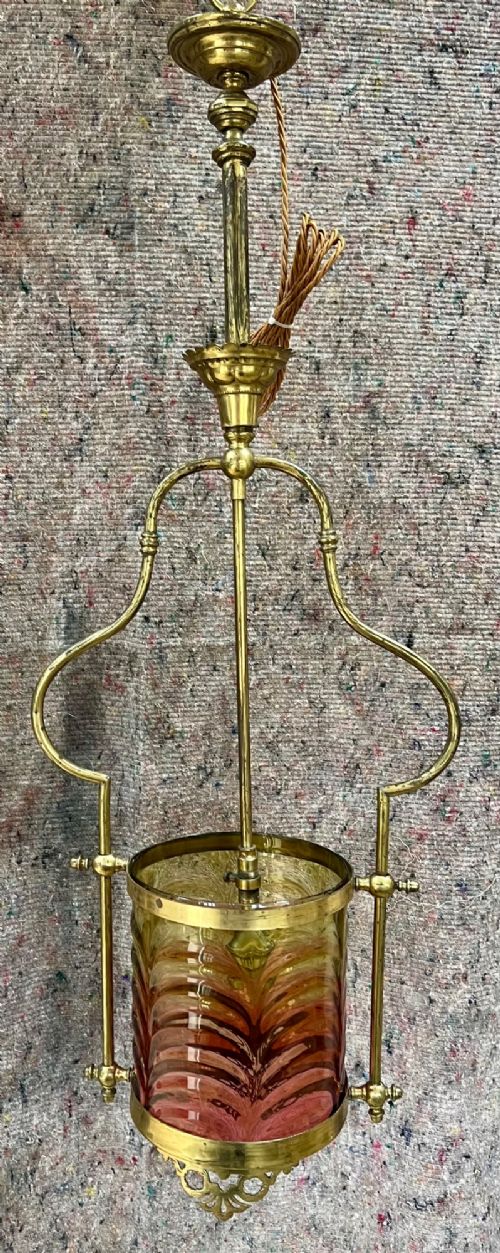
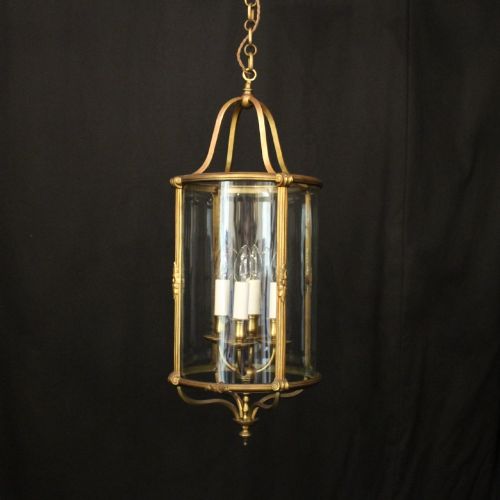
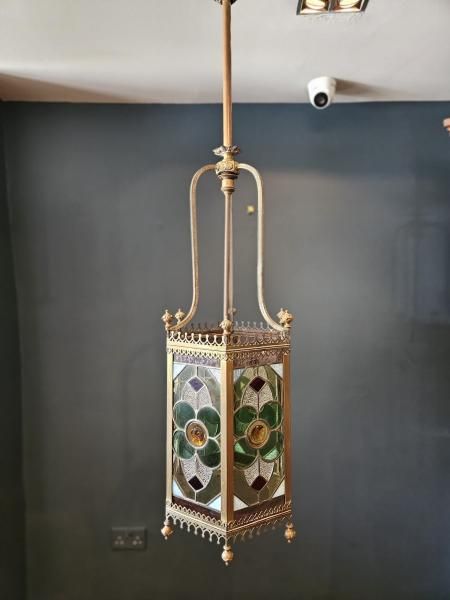
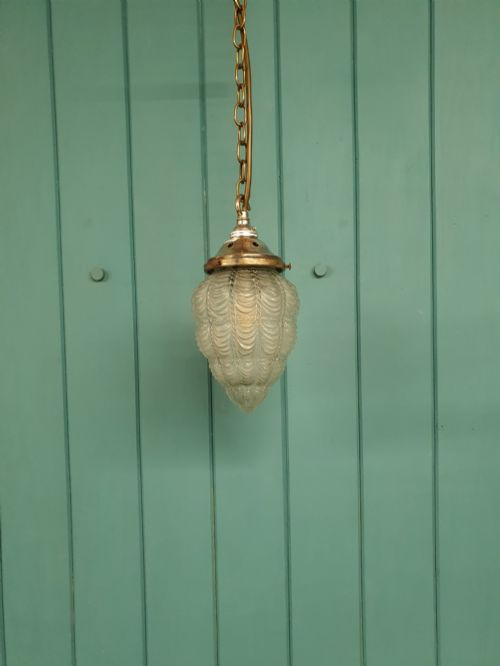
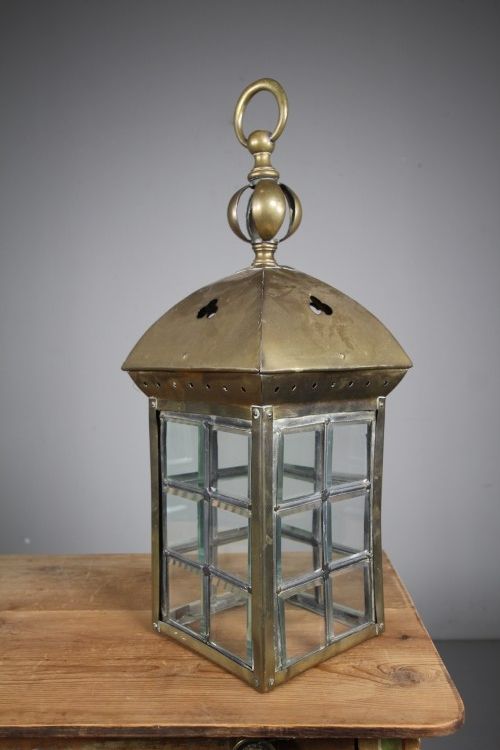
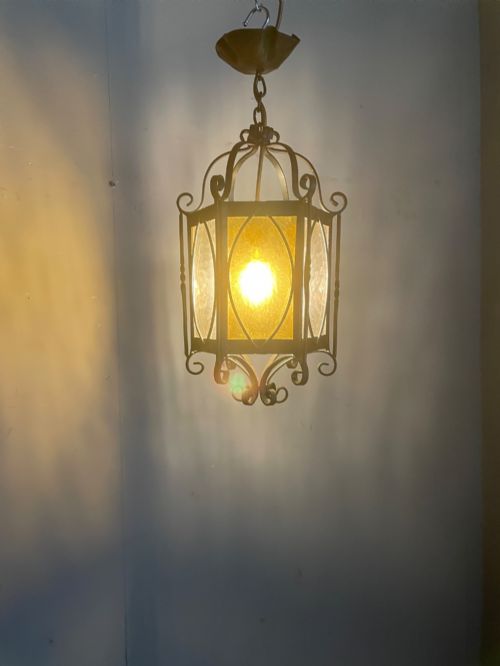
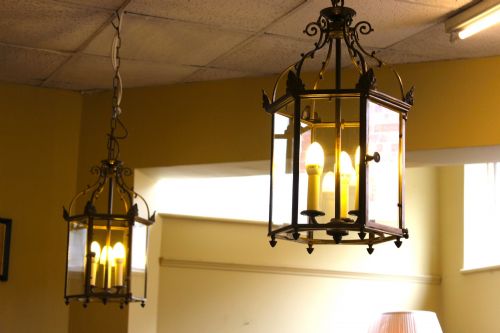
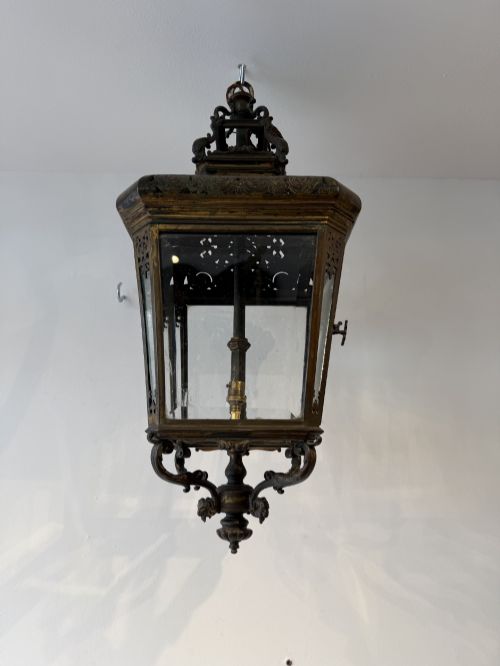
The hanging hall lamp selection here spans multiple periods and forms, with Edwardian and Victorian examples appearing frequently alongside early twentieth-century French and English designs. Pieces range from hexagonal and round lanterns to simple glass pendants and multi-light fixtures.
Makers and designers from the nineteenth and early twentieth centuries favoured metals such as brass, copper, bronze and wrought iron to frame panes of clear, cut, leaded or coloured glass. These materials combine to create durable, decorative enclosures designed to protect candles or electric bulbs from drafts.
How hanging hall lamps were made
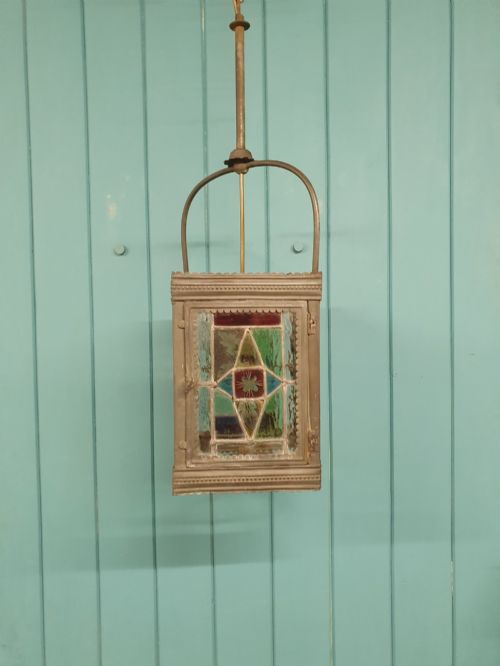
Craftsmen built these lamps using structural metals like brass, bronze, copper and wrought iron, often casting, forging or soldering the frames by hand. Metalwork frames hold individual panels of glass, which include plain clear panes, heavy leaded sections, cut glass details or stained and coloured panels.
French and English workshops utilised fire gilding or applied metallic finishes to bronze and brass frameworks, creating ornate surfaces for formal interiors. Simpler models relied on the natural grain of copper or the stark lines of black-finished cast iron and wrought iron for domestic hallways.
Hanging Hall Lamp Retail Price Guide 2026
Typical asking prices for hanging hall lamp among the pieces listed under this phrase on Sellingantiques today, from the lower quarter to the upper quarter. They describe what is for sale here now, not the wider market.
Blacksmiths occasionally hammered tiny imperfections into iron lanterns, ensuring no two forged hallways welcomed guests in quite the same way.
What varies in quality
The quality of a hanging hall lamp rests in the weight of its metal casting, the precision of its soldered or leaded joints, and the clarity or complexity of the glass panels. Heavy bronze, thick brass and robust wrought iron indicate substantial construction built to endure decades of use in high-traffic entryways.
Artistic execution also separates standard utility fittings from finer decorative pieces, visible in chased surface details on gilded bronze, hand-cut facets on glass, and the deliberate balance of proportions. Maker attribution, such as work executed in the manner of specific designers, elevates the standing of certain lanterns.
The Hanging Hall Lamp Glossary
- Lantern
- A rigid framed lighting enclosure with glazed sides designed to protect the light source from drafts. These fixtures often feature hinged access doors and decorative top crowns.
- Gilt bronze
- Bronze metal treated with a fine layer of gold leaf or gilt finish. This technique adds a rich, reflective surface often seen on French hall lanterns.
- Leaded glass
- Individual pieces of glass joined together by narrow strips of lead came. This method allows artisans to construct complex geometric or figural patterns.
- Pendant light
- A solitary lighting fixture suspended downward from the ceiling by a cord, chain or rod. These differ from multi-sided framed lanterns by focusing on shade and drop.
- Wrought iron
- Iron heated and hammered into shape by a blacksmith rather than cast in a mould. This material produces sturdy frames with distinct hand-worked textures.
Hanging Hall Lamp: Frequently Asked Questions
How do I hang a hanging hall lamp?
These lamps suspend from ceilings using integrated chains, rods or hooks attached to the top frame. You will need to secure the hanging weight directly into a ceiling joist or structural noggin.
Professional electrical installation ensures the internal wiring safely connects to your mains supply while supporting the total weight of the metal and glass fixture.
What ceiling height suits a hall lantern?
Hallways with standard or tall ceilings accommodate hanging lanterns well when positioned to maintain adequate clearance beneath. Ensure the bottom of the fixture clears head height for anyone walking through the entrance.
Adjusting the suspension chain allows you to raise or lower the lamp to achieve the correct proportion for your specific hallway dimensions.
How do I clean antique glass panels?
Remove dust and grime using a soft microfiber cloth and a mild glass cleaning solution applied directly to the cloth rather than the lamp. This prevents moisture from seeping into aged metal frames or electrical components.
Take care around leaded joints and gilded surfaces, as aggressive rubbing can damage historic finishes or loosen aged solder.
Can I use modern bulbs in these lamps?
Most antique fixtures accept standard modern LED or incandescent bulbs provided the wattage matches the historical capacity of the lampholder. Rewired vintage lamps accommodate contemporary electrical standards safely.
Consult an electrician to verify the condition of the internal wiring and lampholders before installing high-output bulbs in delicate antique frames.