




Hanging Glass Bowl Fixture
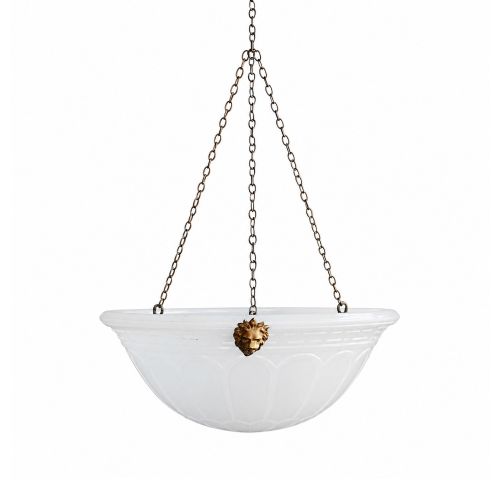
A hanging glass bowl fixture brings a soft, diffused glow to a room while holding true to period craftsmanship.
Hanging Glass Bowl Fixture
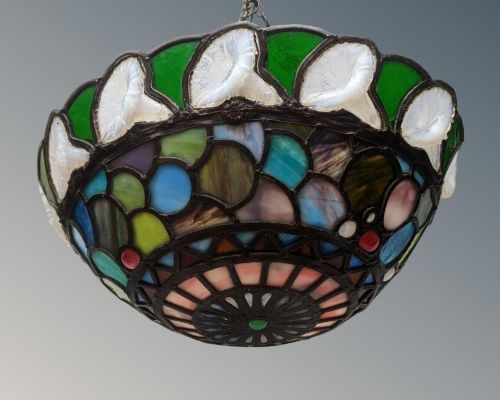
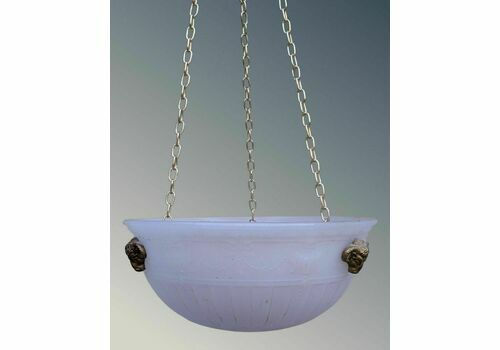
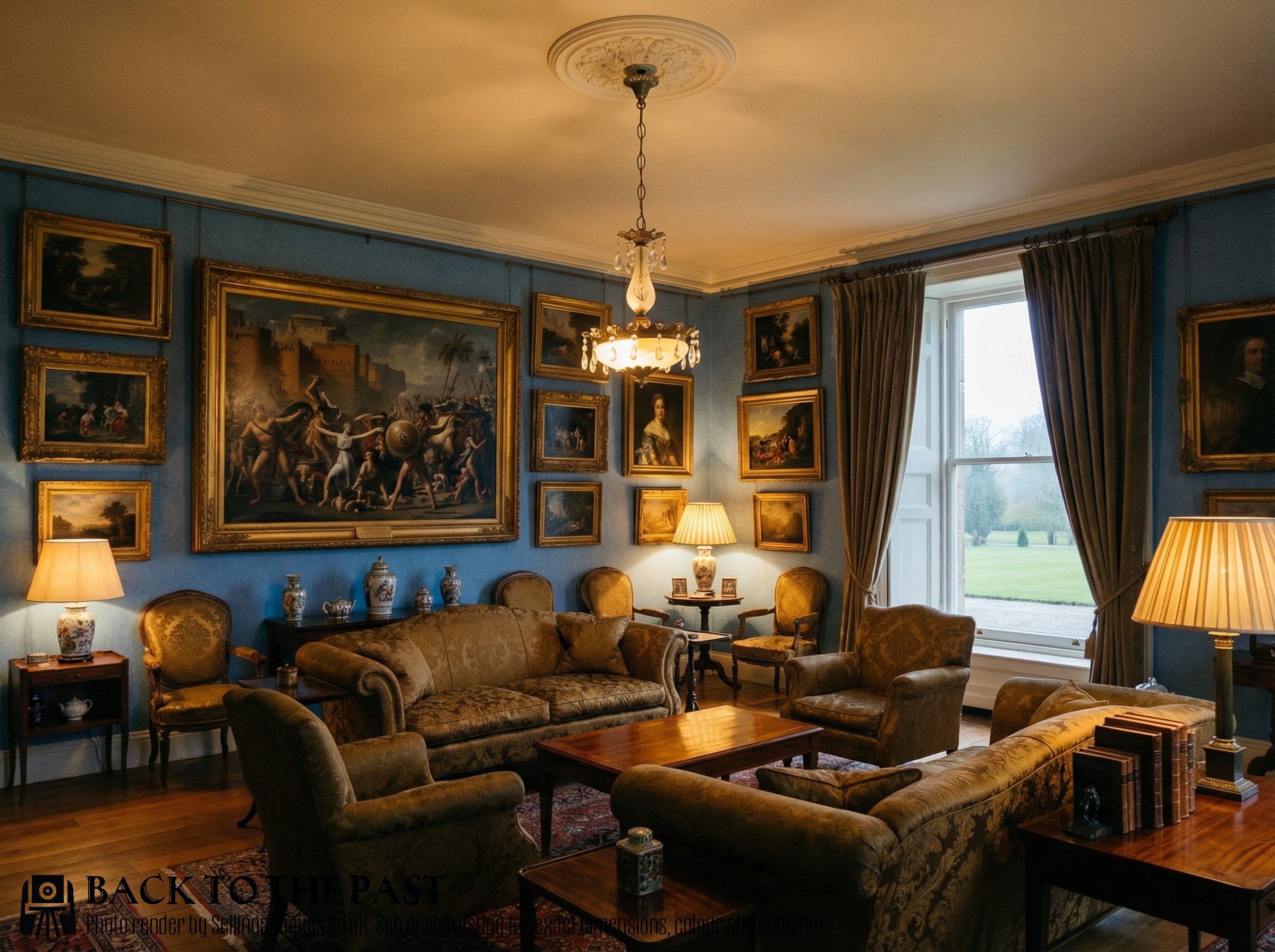
A hanging glass bowl fixture provides overhead illumination through suspended glass shades held by metal frames or chains. When you search for a hanging glass bowl fixture, you find pendant lights, ceiling lights, and chandeliers designed to cast light evenly across a space. These pieces serve as functional centrepieces in hallways, dining rooms, and sitting rooms.
The selections available here span from the late nineteenth century through to the art deco era of the nineteen-thirties. You will frequently encounter Edwardian and early twentieth-century English examples alongside Victorian and arts and crafts interpretations. The forms range from simple moulded bowls to substantial cut glass and moonstone designs.
Materials and Construction
Glassmakers utilised techniques such as moulding, cutting, and frosting to create bowls that manipulated light effectively. Materials like crystal, moonstone glass, opalescent glass, and mirrored glass form the main diffusing bodies of these fixtures. These glass elements display textures ranging from smooth milk glass to deeply faceted crystal.
The supporting framework relies on metals such as brass, patinated brass, bronze, and silver plating. Metal mounts often incorporate decorative motifs like rams' heads or structured arts and crafts framing to secure the glass bowl safely from above.
Hanging Glass Bowl Fixture Retail Price Guide 2026
Typical asking prices for hanging glass bowl fixture among the pieces listed under this phrase on Sellingantiques today, from the lower quarter to the upper quarter. They describe what is for sale here now, not the wider market.
Some Edwardian glass bowls secretly double as decorative fruit dishes in spirit, though they prefer holding light.
Assessing Quality and Execution
The distinction between standard and superior examples lies in the depth of the glass cutting and the weight of the metal hardware. Finer pieces display crisp facets on cut glass and substantial bronze or brass suspension rings that show careful hand-finishing.
Design integration separates ordinary lighting from exceptional work. High-quality fixtures balance the visual weight of the glass bowl with proportioned metal chains and galleries, ensuring the piece hangs true and maintains harmony across all components.
The Hanging Glass Bowl Fixture Glossary
- Plafonnier
- A ceiling-mounted or closely suspended bowl light that directs illumination upwards or outwards into the room. This French term typically describes shallow glass bowl fixtures from the early twentieth century.
- Moonstone glass
- A type of semi-translucent glass with a milky, iridescent appearance that softens the glare of internal bulbs. It creates a gentle, ambient glow reminiscent of moonlight.
- Arts and Crafts
- A design movement emphasising handcraftsmanship, simple forms, and visible structural honesty. Fixtures from this style often feature robust metalwork paired with honest, unpretentious glass bowls.
- Edwardian
- A stylistic period spanning the reign of King Edward VII, characterised by lighter, refined interpretations of earlier classical themes. Edwardian hanging bowl fixtures frequently showcase precise cut glass and polished brass.
- Opalescent glass
- Glass containing ingredients that cause it to milky-glow with milky blue and amber tones when lit. It diffuses light smoothly across the surface of the bowl.
Hanging Glass Bowl Fixture: Frequently Asked Questions
How do I hang a bowl fixture?
These fixtures suspend from ceilings using chains, rods, or cords connected to a central metal canopy. Most examples require professional wiring to integrate safely with modern ceiling junction boxes.
Ensure the hanging height suits the room clearance, particularly in hallways or above dining tables where headroom matters.
What rooms suit these bowl lights?
Hanging glass bowl fixtures work well in entrance halls, bedrooms, and dining spaces where ambient, downward-directed light creates an inviting atmosphere. Their enclosed or semi-enclosed bowls soften the light source compared to exposed bulbs.
Lower ceiling heights benefit from shallow plafonniers, while rooms with greater vertical space accommodate longer chains and deeper bowls.
How do I identify Edwardian glass?
Edwardian glass fixtures often feature crisp, geometric cut patterns and bright metal mounts such as polished brass or silver plating. The glass tends to be clear and heavy, designed to catch and refract light cleanly.
Proportions in this era favor elegance and formal symmetry, distinguishing them from the heavier Victorian or more abstract art deco styles.
Are these fixtures suitable for daily use?
Original period fixtures accommodate standard modern electrical components when rewired by a qualified specialist. The durable nature of glass and brass makes them practical for everyday lighting.
Regular dusting keeps the glass surfaces clear, preserving the quality of light distribution in the room.