

Brass Pendant Shade
A brass pendant shade brings concentrated downward light and warm metallic reflection to a room, drawing the eye upward with period character.
Brass Pendant Shade
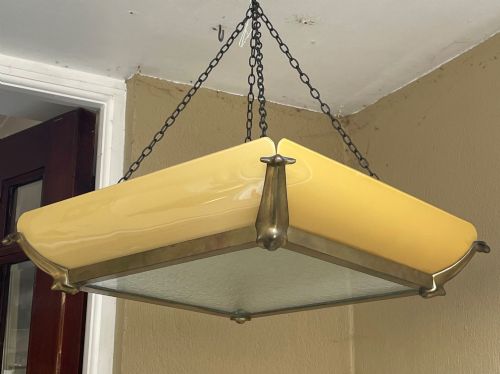
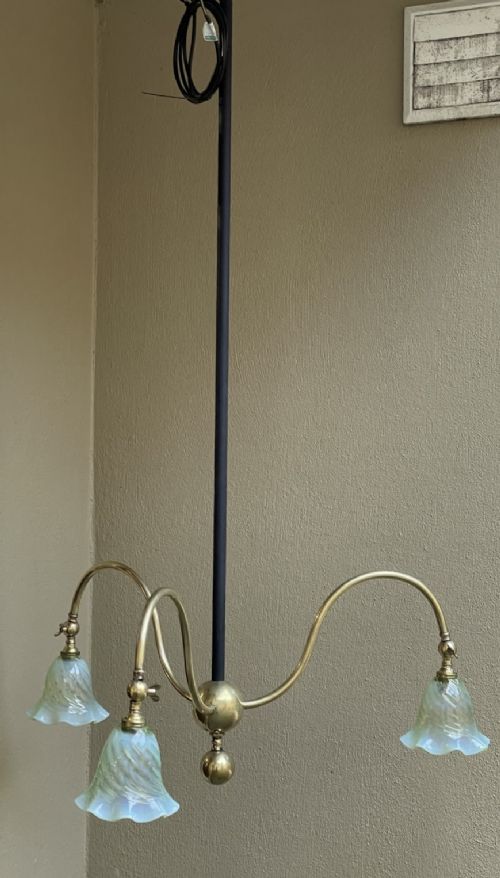
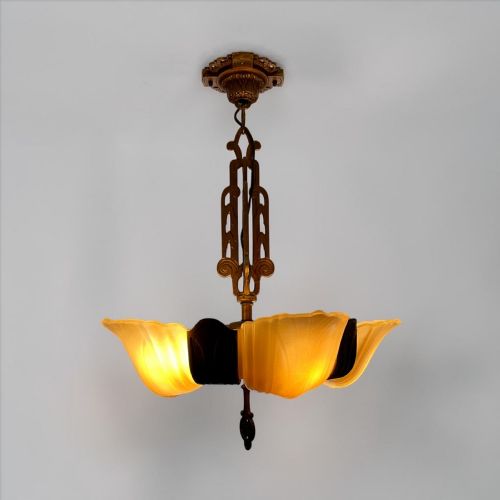
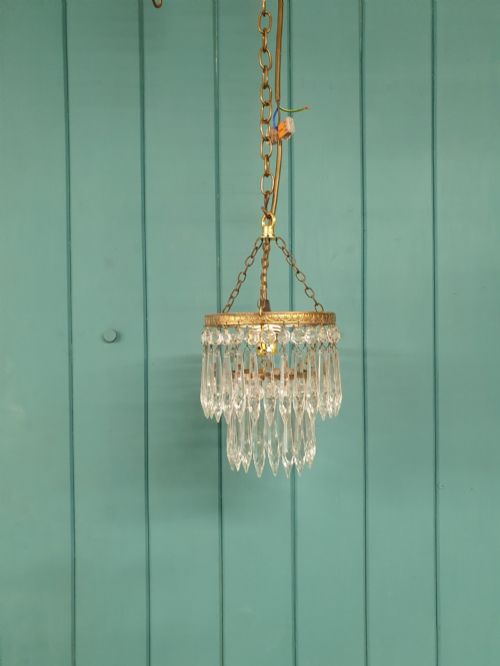
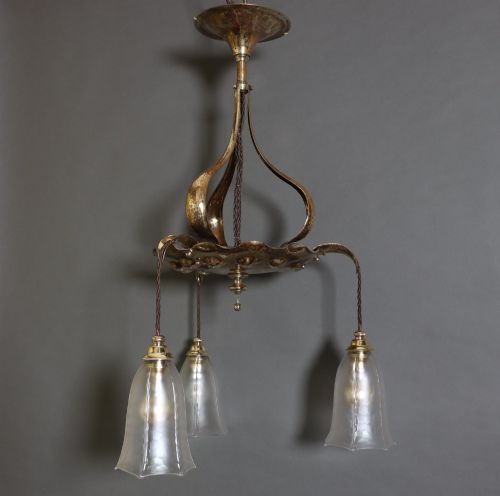
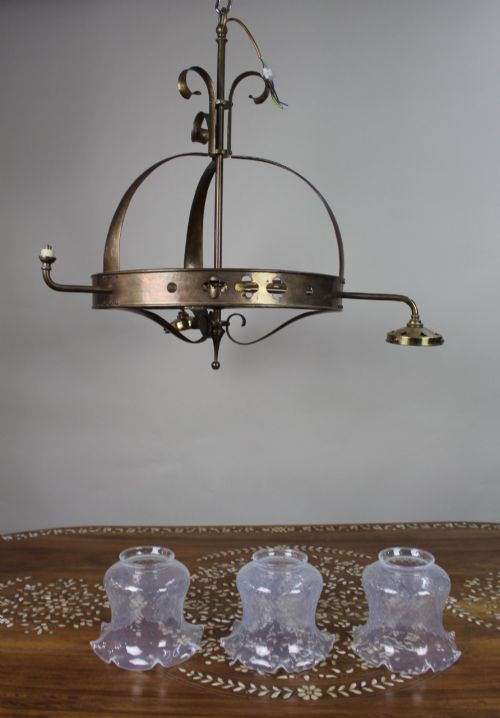
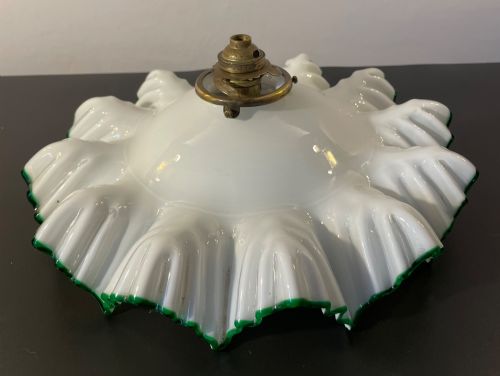
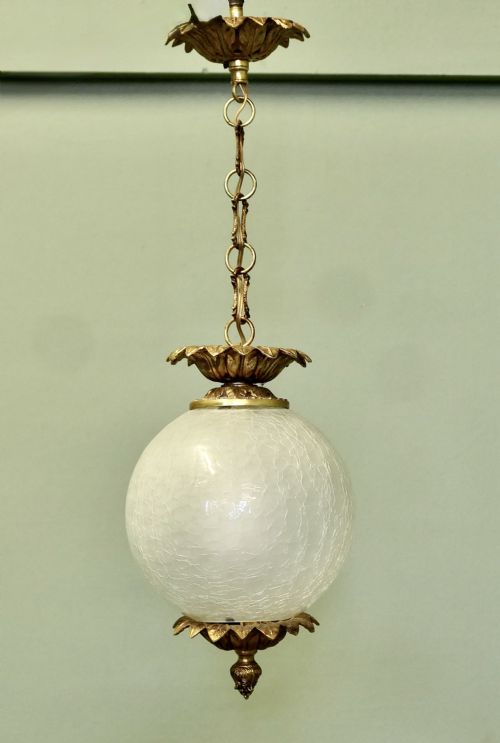
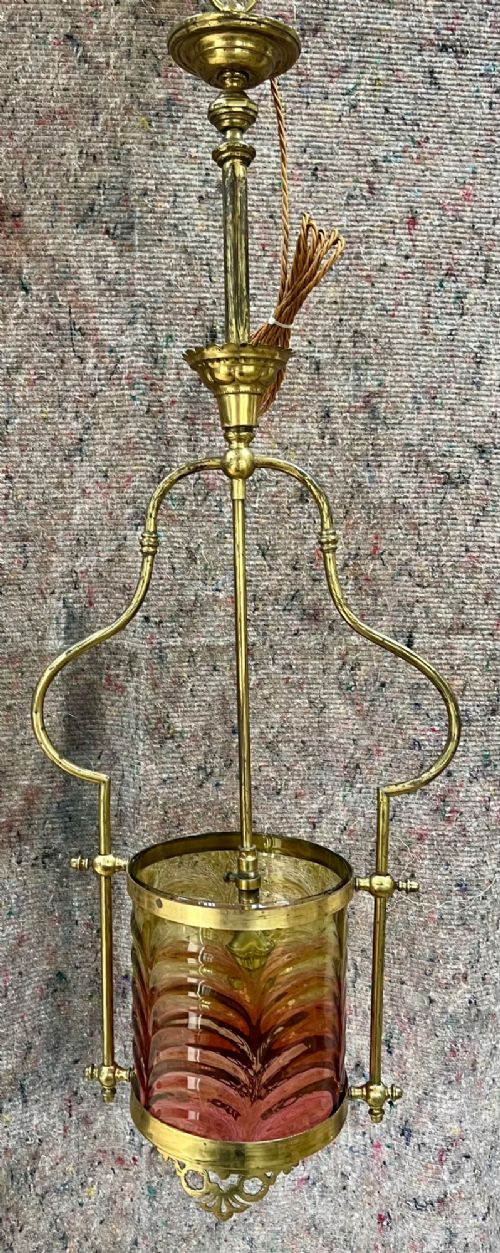
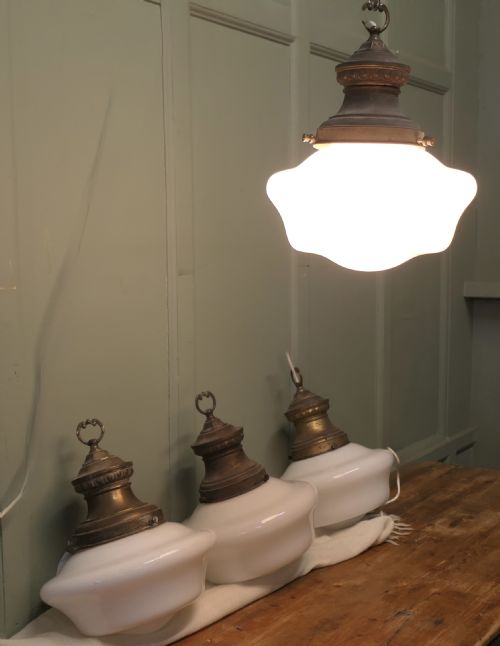
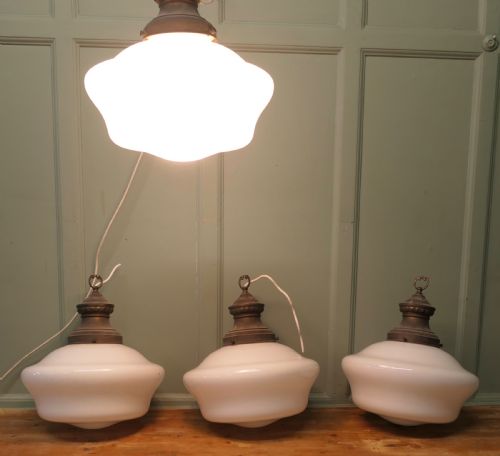
A brass pendant shade sits suspended from the ceiling, combining a functional metal mount with a suspended diffuser. When searching for a brass pendant shade, buyers encounter designs spanning from the Victorian era through the 1940s, including Edwardian chandeliers, Art Deco opaline fixtures, and industrial factory units.
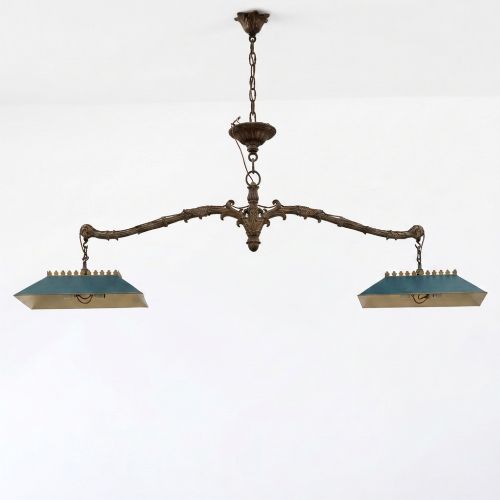
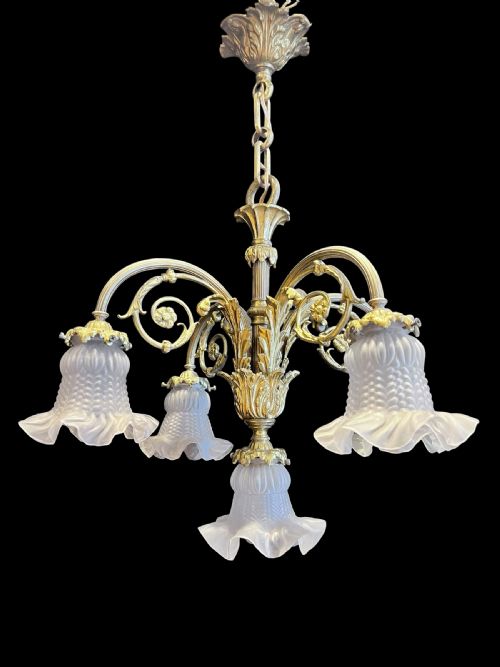
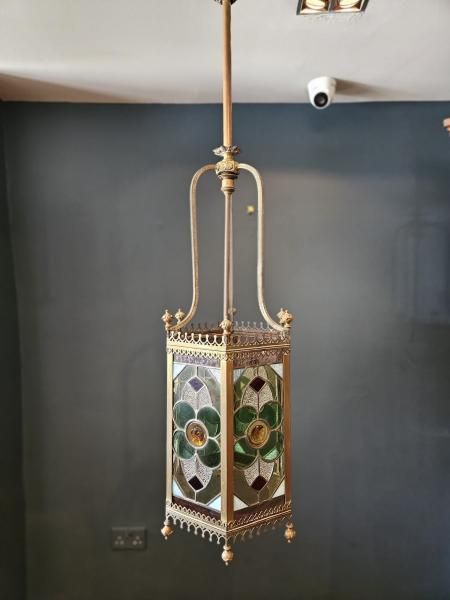
The selections on this page lean heavily toward early twentieth-century examples, alongside nineteenth-century gasoliers and French lighting. Forms range from single drop shades to multi-arm chandeliers, billiard lights, and enclosed lanterns fitted with galleries.
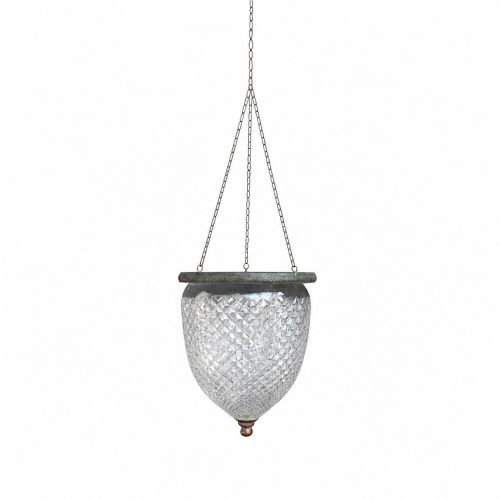
Materials paired with the metal framework include cut glass, frosted glass, opaline glass, crystal, and copper. These fixtures originate from domestic residences, civic buildings, and industrial spaces, reflecting stylistic shifts from Gothic Revival and Arts and Crafts to sleek geometric Art Deco.
Material depth and assembly standards
Quality rests in the substantial gauge of the brass framework and the clarity or weight of the accompanying glass shade. Finer examples display crisp casting details on the brass gallery and intentional proportions between the metal suspension and the glass bowl.
The integrity of the piece depends upon original matching components, such as specialised galleries holding period cut glass, vaseline, or opaline shades. Lesser examples often feature mismatched replacements or thin pressed metal that lacks the rigour of earlier manufacturing standards.
Cherub arms sometimes peek out from beneath French brass canopies, holding up glass shades with unexpected mythological charm.
The Brass Pendant Shade Glossary
- Gallery
- The metal ring or mount that grips the upper rim of a lampshade and connects it to the suspension cord or rod.
- Opaline glass
- A milky, semi-translucent glass popular in the nineteenth and early twentieth centuries for softening bulb glare.
- Plafonnier
- A ceiling-mounted light fixture with a shallow bowl shade that sits close to the ceiling rather than hanging low.
- Rise and fall
- A mechanical pulley system allowing the pendant light to be adjusted vertically to different heights.
- Gasolier
- A multi-branched ceiling fixture originally designed for gas lighting before conversion to electricity.
Brass Pendant Shade: Frequently Asked Questions
How do I hang a pendant shade?
These fixtures suspend from the ceiling using a matching brass rod, chain, or cord connected to an internal ceiling hook and wiring box.
Ensure the weight of the metal gallery and glass shade is supported safely by joists rather than plaster alone.
Are these lights ready for modern wiring?
Many surviving pieces retain vintage brass fittings that require professional rewiring to meet contemporary safety standards before installation.
Retaining the original gallery and shade while updating internal cables preserves historical authenticity.
What rooms suit a brass pendant?
Pendant lights provide direct downward illumination suitable for dining tables, hallways, kitchens, and reading spaces.
Sizing ranges from compact five-inch shades to wide multi-arm chandeliers fitting larger architectural volumes.
How do I identify the period?
Dating relies on stylistic clues, such as geometric Art Deco opaline bowls, ornate Victorian leaf castings, or heavy Edwardian cut crystal.
Manufacturing patents, registry numbers stamped on galleries, and specific glass textures like moonstone or crackle help narrow the era.