



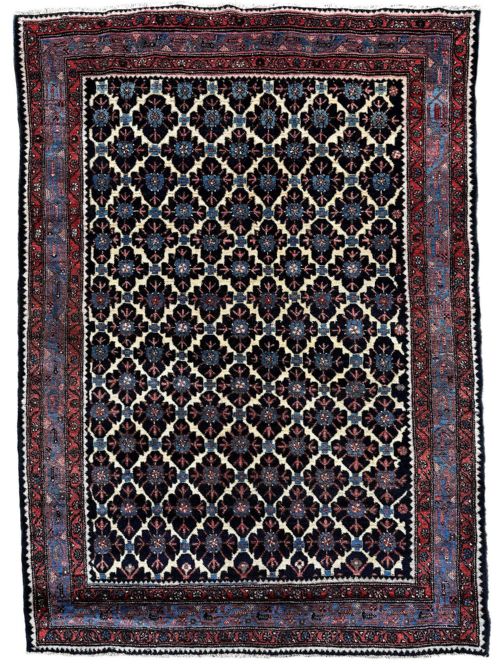


Handwoven Floral Carpet
A handwoven floral carpet brings texture, colour and distinct historical craft directly to a floor.
Handwoven Floral Carpet
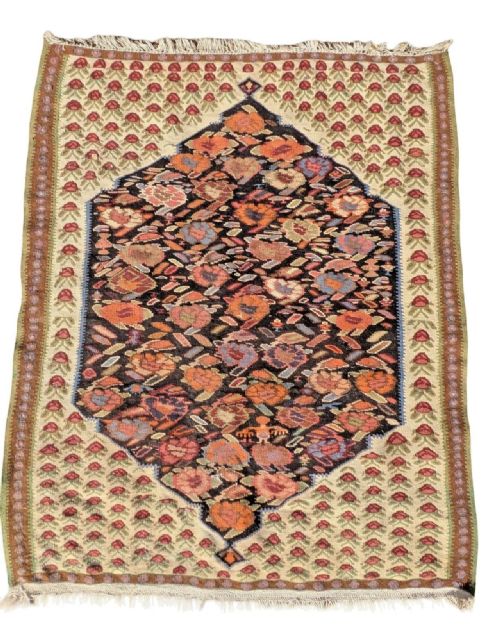
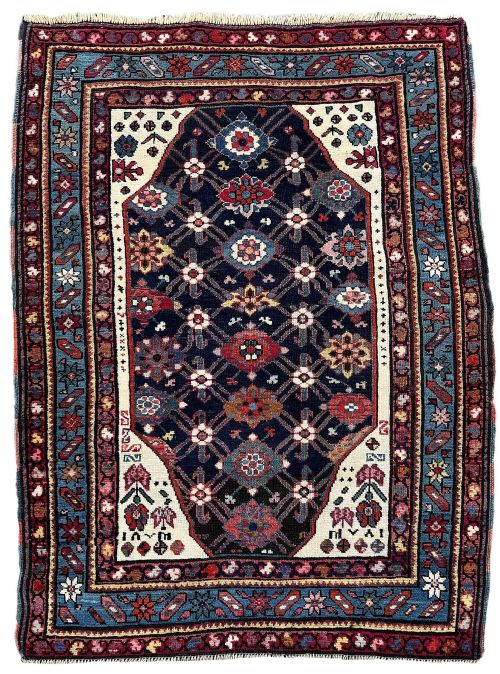
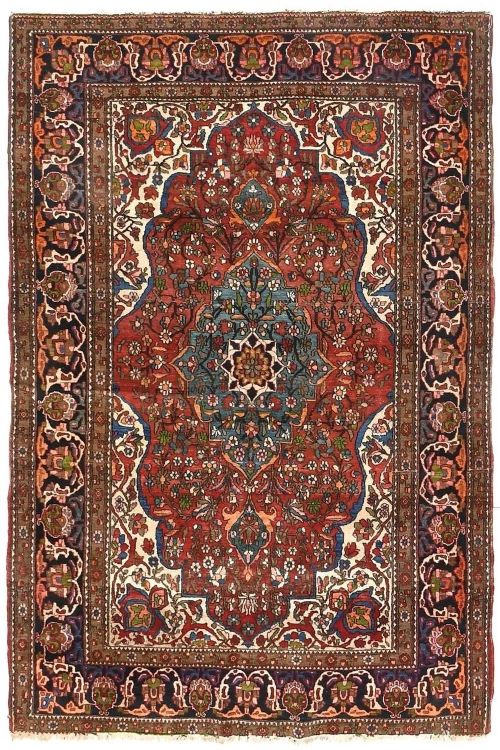
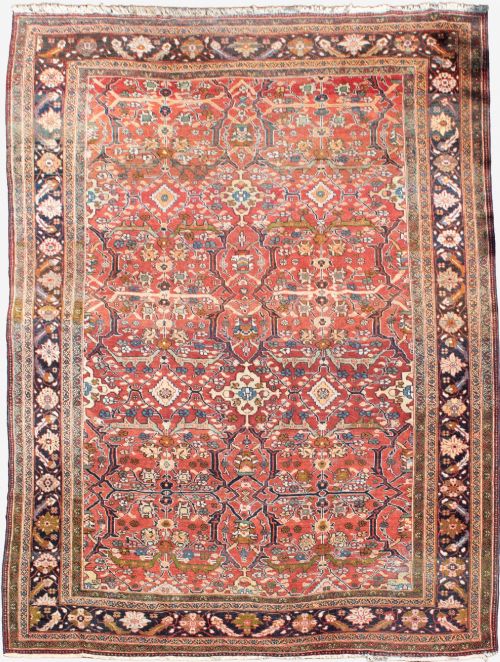
A handwoven floral carpet encompasses floor coverings and wall hangings produced across various regions, featuring botanical and floral motifs realised through traditional textile methods. Buyers seeking this phrase encounter formats ranging from large carpets and area rugs to smaller kilims, tapestries and saddle covers.
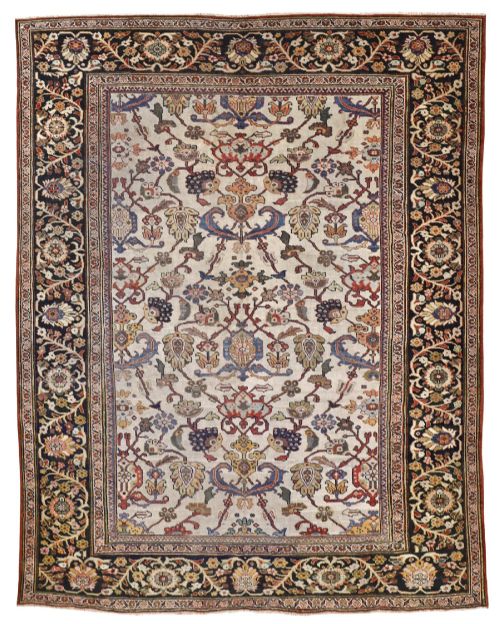
The selections span distinct geographical traditions, with Persian workshops, Caucasian weaving centres and Eastern European folk art pieces appearing regularly. Production dates stretch from the late nineteenth century through to the mid twentieth century, showing the enduring appeal of these floral designs.
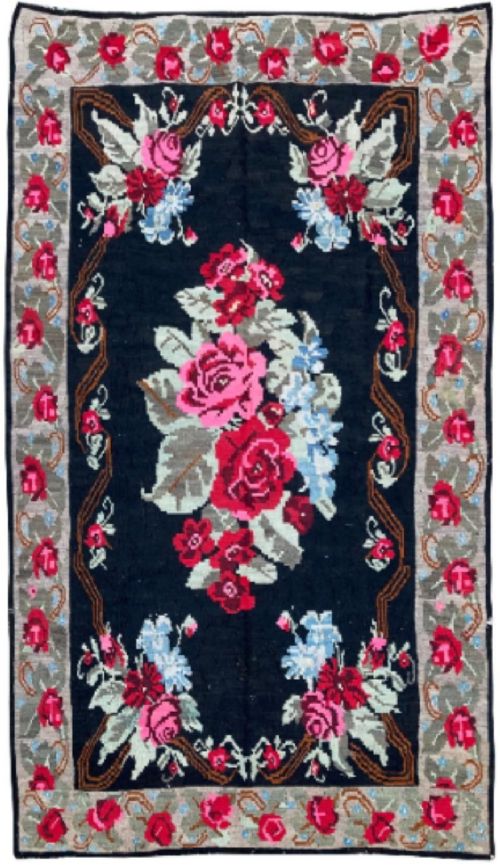
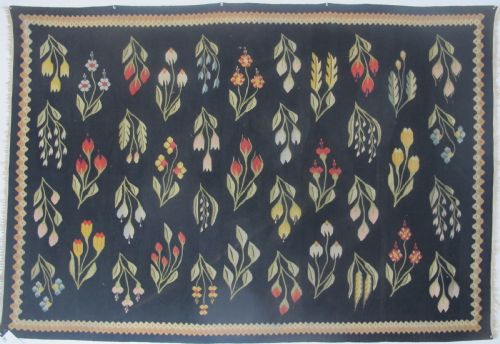
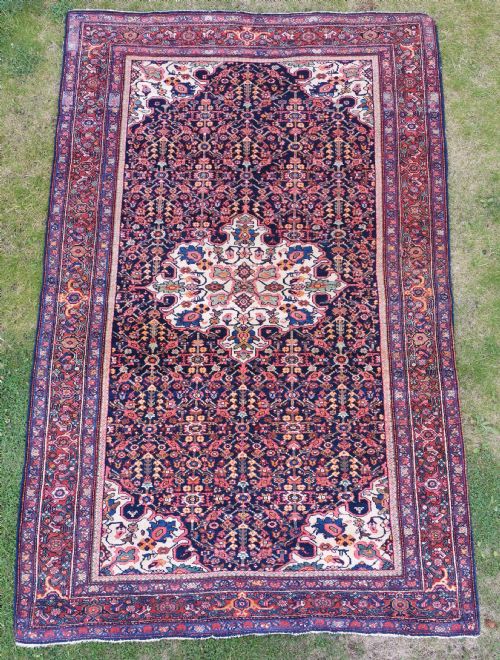
Regional styles dictate the character of the botanical patterns, shifting from the formal medallion compositions of classical Persian cities to the flatwoven floral sprays characteristic of Bessarabian and Ukrainian kilims. Each piece reflects the specific materials and aesthetic priorities of its origin.
How They Were Made
These textiles rely primarily on natural fibres, combining wool foundations or pile with cotton warps and occasional touches of silk for detail. Artisans utilised sturdy canvas and linen backings or supports for specific tapestry and flatwoven forms.
Construction techniques divide into knotted pile carpets, flatwoven kilims and tapestries, each demanding rigorous hand-knotting or interweaving of coloured threads. The resulting fabric offers substantial durability alongside nuanced colour transitions built yarn by yarn.
Handwoven Floral Carpet Retail Price Guide 2026
Typical asking prices for handwoven floral carpet among the pieces listed under this phrase on Sellingantiques today, from the lower quarter to the upper quarter. They describe what is for sale here now, not the wider market.
A solitary Tibetan saddle cover from the late nineteenth century sits quietly among the vast garden of floral carpets.
What Varies in Quality
Quality rests in the precision of the knotting or weaving density, which dictates both the sharpness of the floral detail and the structural longevity of the textile. Tighter construction yields a crisper rendering of intricate botanical motifs and petals.
The choice of raw materials influences tactile depth, as superior wool grades and occasional silk highlights create greater lustre and resilience under foot. Dye consistency and the harmonisation of palette across the field further distinguish finer examples.
The Handwoven Floral Carpet Glossary
- Kilim
- A flatwoven carpet or rug produced without a pile, common in Eastern European and Caucasian traditions. This technique creates a lightweight textile with flat surfaces on both sides.
- Pile
- The upright yarn loops or tufts that form the soft surface of a knotted carpet. Dense pile provides warmth and cushions the underlying structure.
- Medallion
- A distinct central ornamental design element placed in the middle of a carpet field. It serves as the focal point for surrounding floral and geometric motifs.
- Warp
- The vertical threads stretched tightly on a loom before weaving begins. Weft threads pass horizontally through these foundational strands to lock the design.
Handwoven Floral Carpet: Frequently Asked Questions
How do I clean a handwoven floral carpet?
Regular gentle vacuuming without a beater bar removes loose surface dust and prevents fibre damage. Professional specialist cleaning remains essential for addressing deeper dirt or restoring natural fibre oils.
Water saturation and harsh chemical detergents must be avoided entirely to protect dyed wool and cotton structures. Promptly blotting spills prevents permanent staining without disturbing the handwoven foundation.
Can I place these carpets in high traffic areas?
Many sturdy wool pile carpets handle moderate hallway or living room traffic successfully. Placing a quality underlay beneath the textile prevents slipping and reduces fibre friction.
Flatwoven kilims and delicate tapestries suit lighter use spaces or wall hanging installations better. Assessing the pile density and material strength guides placement decisions for daily home life.
How do I identify a Bessarabian piece?
Bessarabian kilims typically display naturalistic floral bouquets against dark, moody grounds. These flatwoven pieces originated in Eastern Europe during the nineteenth and early twentieth centuries.
Their distinctive wool construction differs significantly from Persian knotted pile techniques. Observing the flat texture and specific European floral styling helps separate them from Caucasian or Middle Eastern equivalents.
What is the difference between a carpet and a kilim?
Carpets feature a dense vertical pile created by individual knots tied around warp threads. This construction yields a plush, thick surface suitable for heavy floor insulation.
Kilims are flatwoven entirely by interlocking coloured weft threads through the warp without creating pile. This produces a thinner, reversible textile with a smooth surface texture.