



Handmade Persian Rug
A handmade persian rug brings the rich nomadic and village weaving traditions of Persia straight to the floor.
Handmade Persian Rug
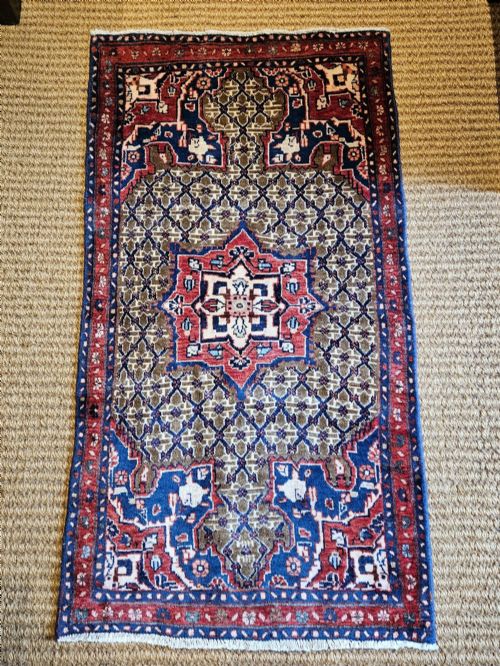
A handmade persian rug represents centuries of textile artistry originating from tribal confederacies, nomadic groups, and rural villages across Persia. When exploring a handmade persian rug today, buyers encounter diverse regional styles ranging from geometric tribal designs to large medallion village carpets.
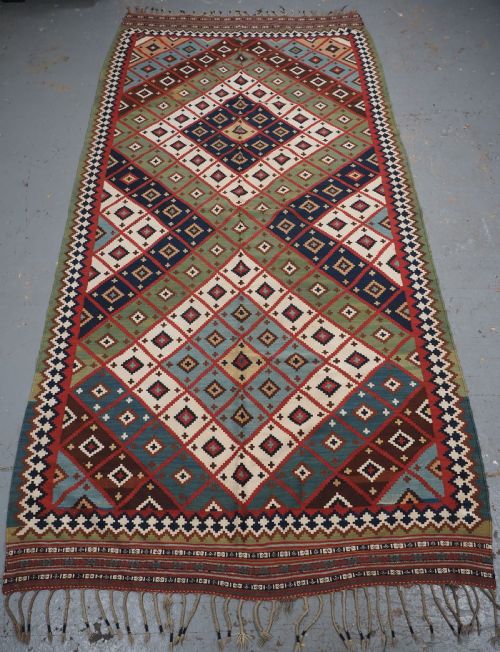
The selections span distinct late nineteenth and early twentieth-century periods, capturing the output of makers from provinces like Khorassan and Fars. Common forms include hearth-sized floor coverings, area rugs, kilims, and utilitarian bags created by nomadic weavers.
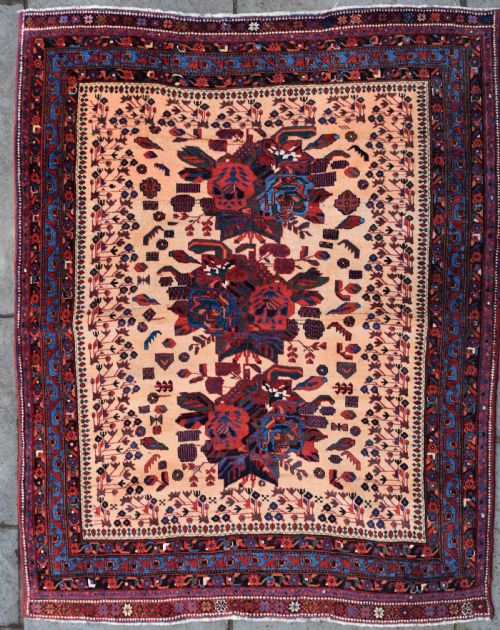
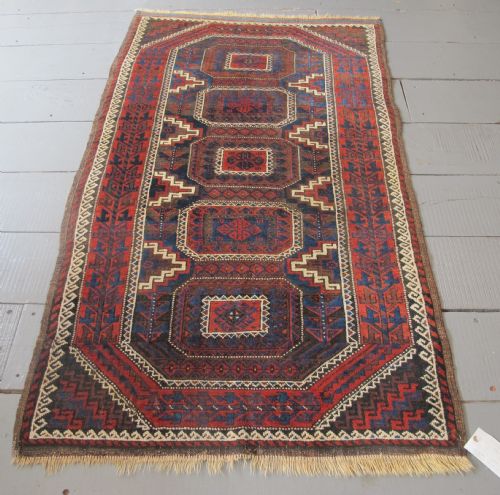
Village and tribal workshops produced these floor coverings for daily domestic use or personal transport, incorporating traditional motifs passed down through generations. These pieces demonstrate the distinctive visual vocabulary of groups such as the Qashqai, Baluch, Heriz, Karadja, and Afshar.
How they were made
Weavers constructed these textiles using natural materials, predominantly employing hand-spun wool for the plush pile and foundation yarns made from cotton or goat hair. The reliance on durable local fibres ensured the finished floor coverings could withstand generations of heavy household wear.
Nomadic and village artisans relied on traditional upright looms set up in tents or village homes, knotting the wool pile by hand onto warp threads. This laborious manual process allowed weavers to incorporate complex geometric patterns and figurative symbols directly into the fabric without pre-printed charts.
Nomads occasionally wove tiny salt bags and water-pipe pouches with the same care as large salon carpets.
What varies in quality
The sophistication of the design execution and the density of the knotting separate simpler utilitarian items from master-woven village pieces. Finer knot counts permitted more intricate curves and detailed medallion layouts within the geometric framework.
The depth and vibrancy of the palette depend heavily on the quality of the dye sources and the skill applied during preparation. Superior examples display harmonious colour interactions and rich tones that age gracefully across decades of exposure.
The Handmade Persian Rug Glossary
- Warp
- The stationary vertical threads stretched onto a loom that form the structural skeleton of the textile. Fringe ends typically display these visible foundation cords.
- Pile
- The vertical tufts of wool tied by hand to the foundation that create the soft, tactile surface of the rug. Shorter pile heights often reveal greater structural detail underneath.
- Kilim
- A flat-woven textile produced without a raised pile surface, commonly utilised for floor coverings or storage bags by nomadic groups. These pieces rely entirely on interlocking weft threads for their geometric patterns.
- Medallion
- A central ornamental design motif placed prominently in the middle field of a carpet. Village weavers often adapted these geometric centrepieces from traditional regional templates.
- Sofreh
- A specialised cloth utilised during meals or for rolling bread dough within nomadic households. These textiles frequently double as striking decorative floor pieces due to their symbolic iconography.
Handmade Persian Rug: Frequently Asked Questions
How do I clean an old rug?
Gentle surface brushing and professional specialist immersion washing preserve the natural wool pile.
Avoid harsh modern detergents and aggressive scrubbing which damage ancient foundation yarns.
Where were these tribal pieces woven?
Weavers produced these textiles across various Persian provinces, including Khorassan and Fars, by distinct nomadic confederacies and village groups.
Specific regional tribes like the Qashqai and Baluch maintained unique visual traditions and dyeing techniques.
Can I place furniture on them?
Traditional floor coverings withstood heavy daily domestic use in nomadic tents and village homes.
Using a quality underlay distributes weight evenly and prevents slipping across modern hardwood flooring.
How do I identify different tribal styles?
Distinctive geometric motifs, border arrangements, and colour palettes point directly to specific weaving groups.
Comparing structural details like goat hair edges and wool consistency reveals the probable regional origin.