

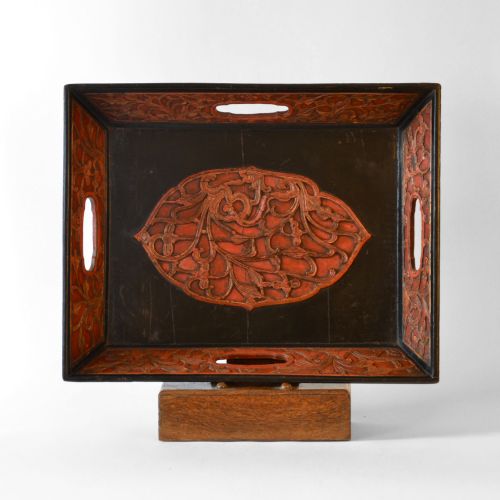
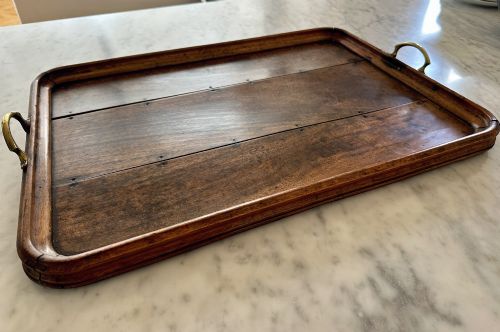
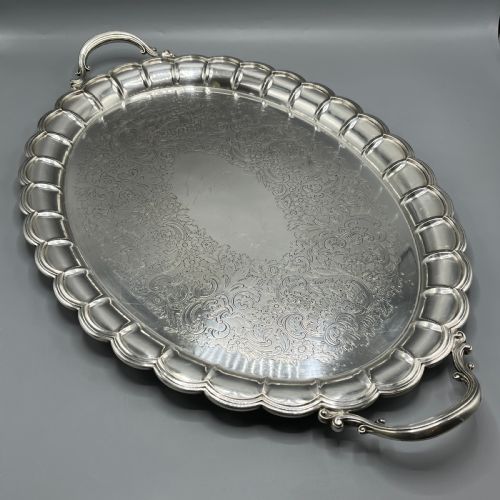
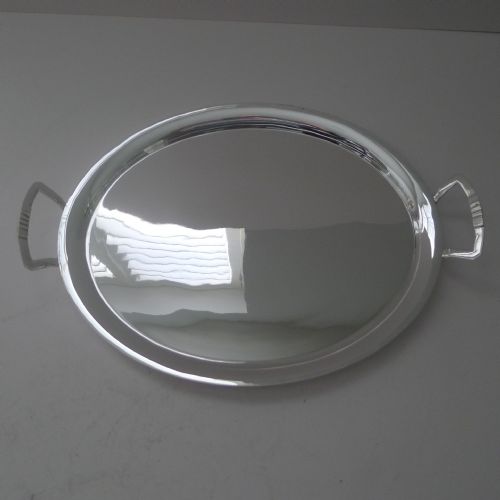
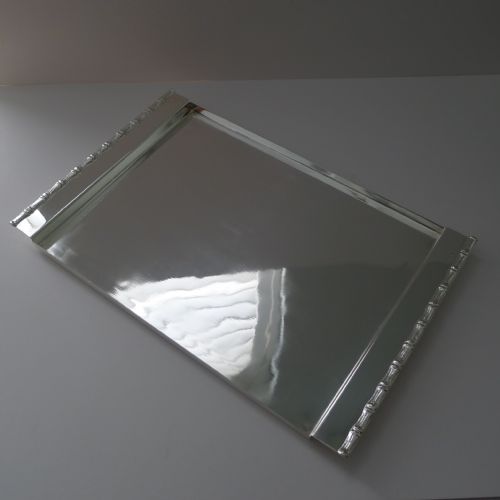
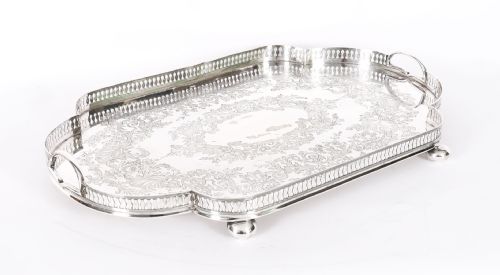
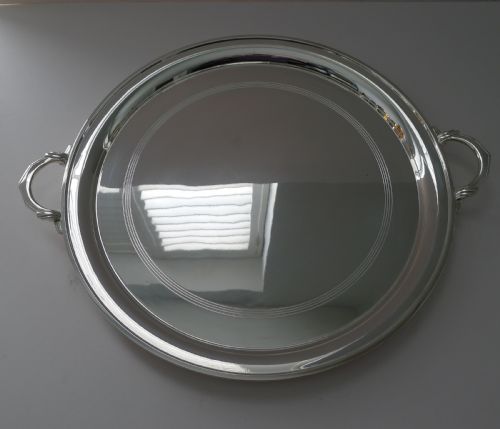
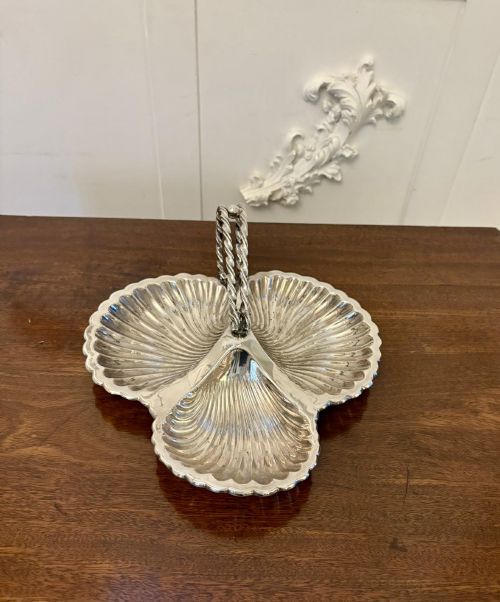
Handle Serving Tray
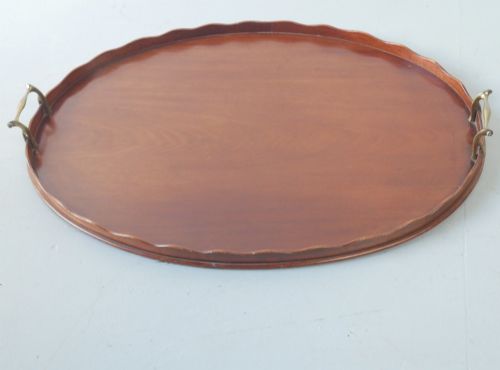
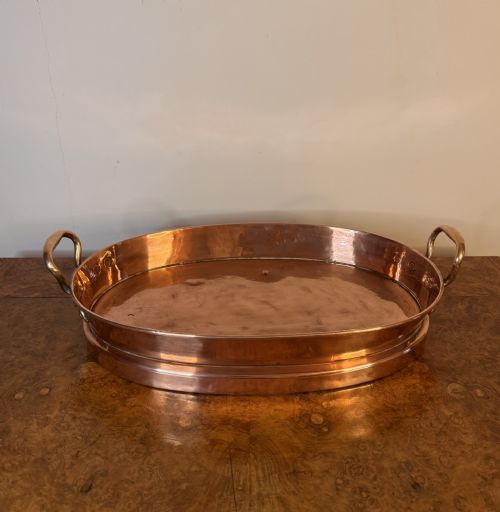
These pieces of handle serving tray span multiple periods, offering practical elegance for hosting through diverse forms like silver plate and mahogany.
Handle Serving Tray
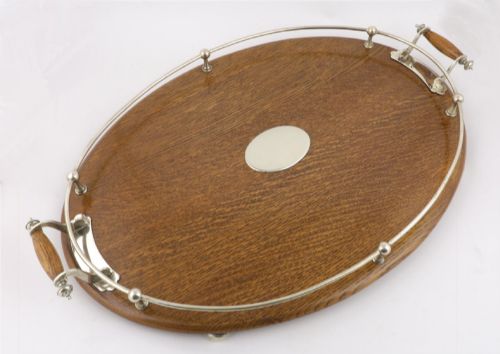
A handle serving tray serves drinks and afternoon tea, appearing frequently in Victorian, Edwardian, and Art Deco styles.
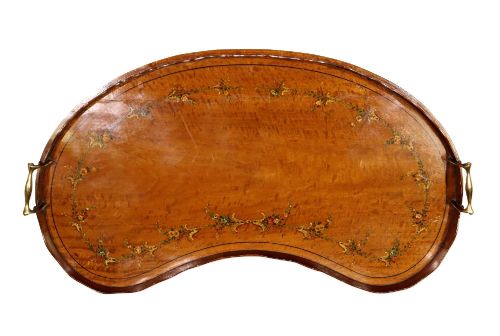
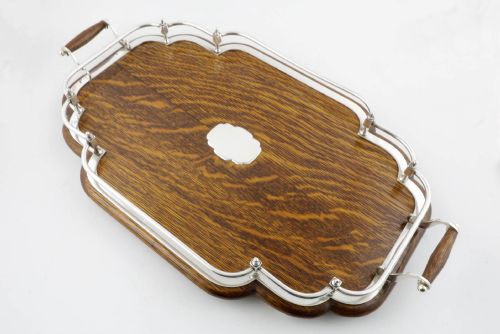
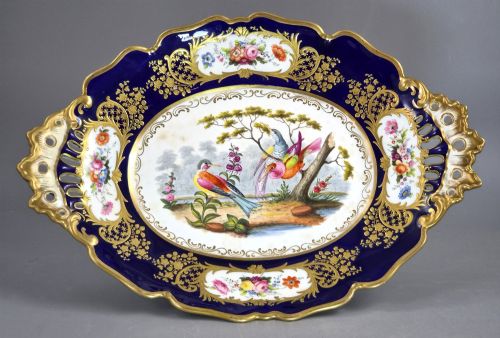
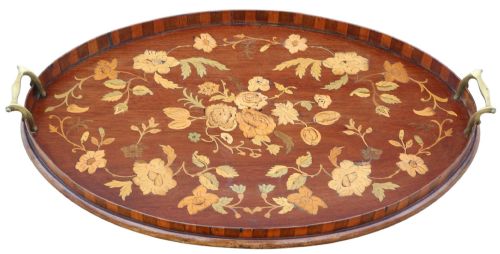
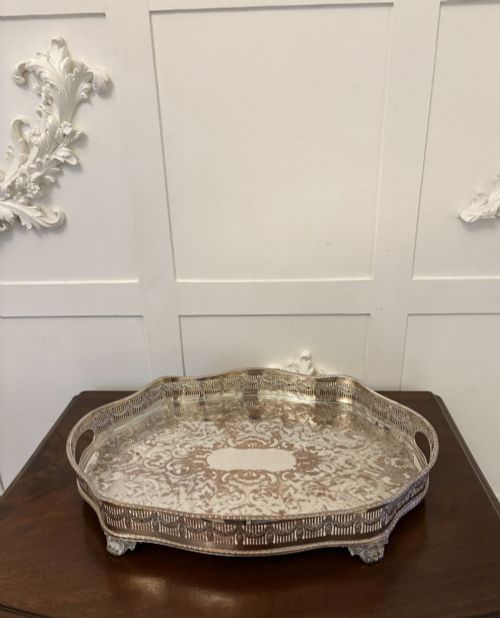
Buyers encounter forms ranging from large silver-plated gallery trays to inlaid mahogany butler's trays and kidney-shaped satinwood pieces.
Origins include English workshops and continental makers, spanning the nineteenth century through the mid-twentieth century.
Materials and construction
Makers utilised silver plate, sterling silver, and electroplated nickel silver alongside solid mahogany, satinwood, golden elm, and English oak.
Wooden trays employ marquetry inlay, brass coopered banding, and applied handles, while metal versions feature pierced borders, engraved surfaces, and cast mounts.
Handle Serving Tray Retail Price Guide 2026
Typical asking prices for handle serving tray among the pieces listed under this phrase on Sellingantiques today, from the lower quarter to the upper quarter. They describe what is for sale here now, not the wider market.
A ship's tray in golden elm proves that tea could be poured steadily even while weathering a choppy nineteenth-century sea.
Assessing quality
Quality rests upon the crispness of engraving, the depth of silver plating over base metal, and the precision of marquetry inlay in woods like mahogany and satinwood.
Superior examples demonstrate robust handle attachment, substantial weight in metal pieces, and balanced proportions across gallery and cocktail designs.
Asprey·Mappin and Webb·James Deakin·Thomas Bradbury and Sons·Edwards and Roberts·Harrison Bros·John Hunt·Chamberlain and Worcester
The Handle Serving Tray Glossary
- Gallery tray
- A flat serving tray enclosed by an upright pierced metal or wooden gallery border. This design prevents decanters and glasses from sliding off during transport.
- Butler's tray
- A portable wooden serving tray, often featuring hinged or cutout handles, designed to sit upon a dedicated folding stand. It provides modular surface space for afternoon tea.
- Marquetry
- The decorative technique of applying fitted pieces of wood veneer to a structural timber base to form geometric or pictorial patterns. Satinwood and mahogany serve as common grounds.
- Silver plate
- A base metal substrate coated with a thin layer of silver through electroplating or older Sheffield plating methods. It offers the appearance of solid silver with greater durability for daily use.
Handle Serving Tray: Frequently Asked Questions
How do I clean a silver plated handle serving tray?
Use a soft cloth and a gentle silver polish formulated for plated items to preserve the thin metal layer over the base metal.
Avoid abrasive scouring pads or harsh chemical dips that strip away the silver coating from the raised edges and engraved borders.
Can I use an antique wooden tray for serving drinks?
Mahogany and satinwood trays handle dry items and bottled service well, provided the polished surface remains intact against moisture.
Place coasters beneath sweating glassware to protect nineteenth-century wood finishes and delicate marquetry inlay from water rings.
What is the difference between a gallery tray and a cocktail tray?
Gallery trays feature high pierced or solid metal railings around the perimeter to secure decanters during movement.
Cocktail trays typically offer low profiles or side handles designed for passing drinks swiftly among guests in a reception room.
How do I date an Edwardian silver plated tray?
Examine the maker's mark and registry numbers stamped into the base metal alongside style indicators like pierced Edwardian borders.
Compare the weight and border decoration against known production markers from Sheffield and London silversmiths active around nineteen hundred.