



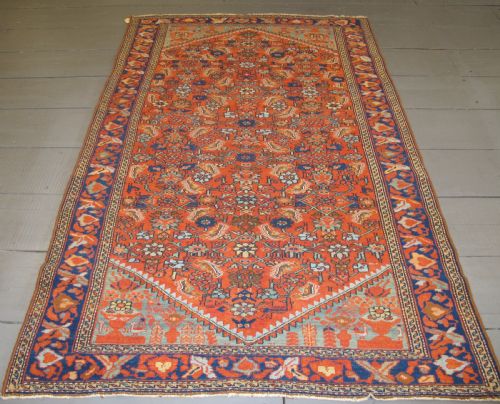
Handcrafted Tribal Runner
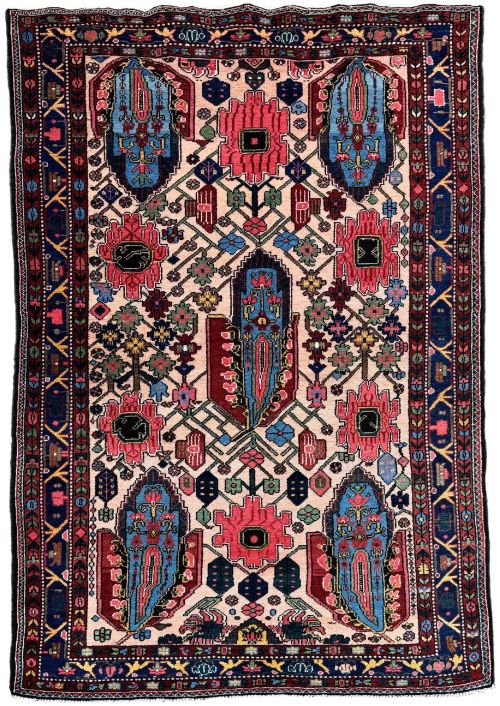
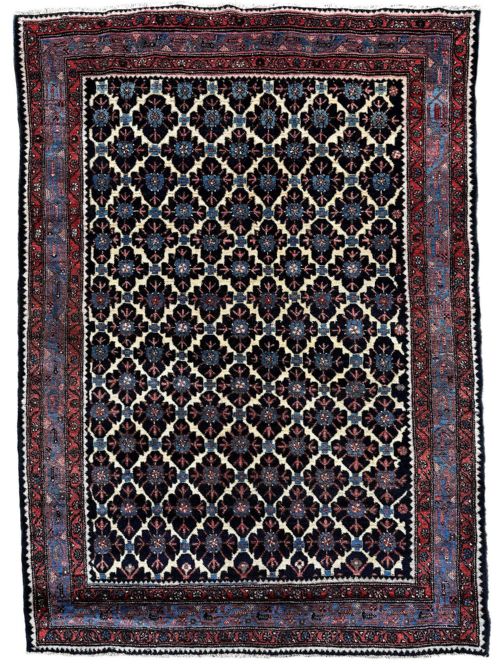
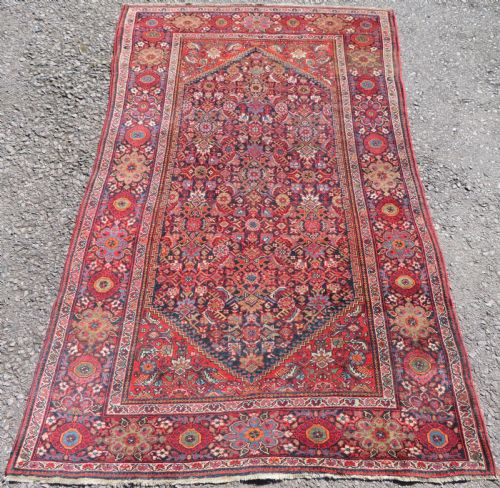
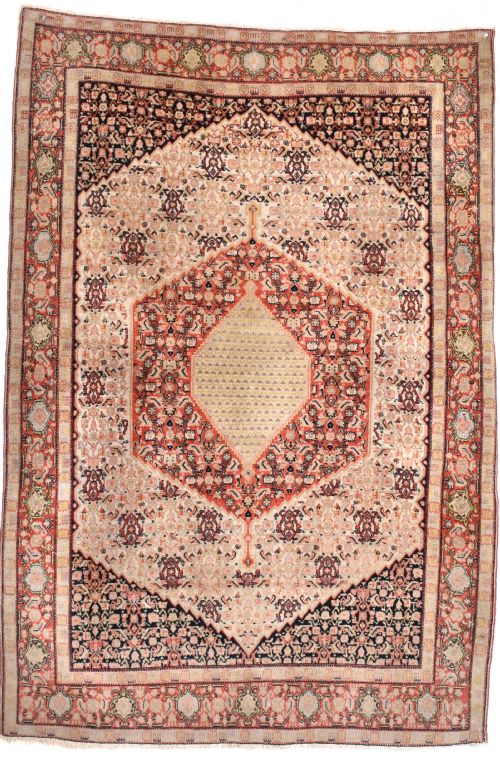
These handcrafted tribal runner selections bring genuine antique wool and cotton weavework from Persian, Uzbek, and Turkmen traditions straight into your hallway.
Handcrafted Tribal Runner
A handcrafted tribal runner offers a long, narrow format suited for corridors and passageways, originating from various regional weaving traditions. When searching for a handcrafted tribal runner, you encounter pieces dating from the late nineteenth century up to the early twentieth century.
These textiles reflect specific historical periods spanning from eighteen eighty to nineteen twenty, alongside broader nineteenth-century examples. Each rug carries the traditional design characteristics and structural methods of its maker's specific cultural background.
How they were made
The construction relies fundamentally on natural materials, principally wool and cotton, utilised for both pile and foundation. Weavers employed traditional techniques such as soumak flatweaving and kilim construction, seen in examples like the Yomut Turkmen palas.
Production methods involved assembling textiles across multiple sections or strips, as demonstrated by the nine-strip construction of the Uzbek suzani kilim. These labour-intensive methods required careful hand knotting and flatweaving to achieve durable, serviceable floor coverings.
Handcrafted Tribal Runner Retail Price Guide 2026
Typical asking prices for handcrafted tribal runner among the pieces listed under this phrase on Sellingantiques today, from the lower quarter to the upper quarter. They describe what is for sale here now, not the wider market.
Current listings span the years eighteen eighty to nineteen twenty, featuring wool and cotton materials across Persian, Uzbek, and Turkmen traditions.
What varies in quality
The fineness of the weave and the tightness of the knotting separate standard pieces from finer examples like the West Persian and Senneh rugs. Structural integrity and the preservation of the original wool pile determine the long-term durability of each runner.
Design clarity and the complexity of the traditional motifs executed by the weaver influence the visual standing of the textile. Condition plays a role, with well-preserved surface textures and soft faded red tones commanding greater appreciation among collectors.
The Handcrafted Tribal Runner Glossary
- Runner
- A long, narrow carpet format designed primarily for hallways, corridors, and stairs. This shape distinguishes them from square or room-size area rugs.
- Kilim
- A flatwoven textile produced without a pile by tightly interweaving warp and weft strands. These rugs lack the plush surface of knotted pile carpets.
- Soumak
- A flatweaving technique that wraps supplementary weft threads over the warp to create a textured, durable surface. This method appears in specific Turkmen pieces.
- Suzani
- A type of embroidered or woven textile originating from Central Asian traditions, often constructed from multiple joined strips. They utilise soft red hues and distinctive regional patterns.
- Palas
- A flatwoven tribal rug or coverlet originating from Turkmen weaving traditions. These pieces provide lightweight, durable utility.
Handcrafted Tribal Runner: Frequently Asked Questions
Where should I place a runner?
These narrow textiles suit hallways, corridors, and bedside areas where floor space restricts wider carpets. Their linear dimensions accommodate high-traffic pathways while displaying traditional patterns.
Ensure you use a proper underlay to prevent sliding on hard floors. This protects the historic wool and cotton foundation from excessive friction.
How do I clean an antique rug?
Gentle surface brushing and careful vacuuming without a beater bar remove loose dirt from the wool pile. Professional specialist cleaning remains essential for deep maintenance to protect natural dyes.
Avoid excessive moisture and harsh chemical detergents. Water can weaken nineteenth-century cotton foundations and alter historic wool fibres.
What materials make up these rugs?
Traditional construction relies predominantly on wool for the pile or surface design, combined with cotton foundations for structural stability. These natural fibres provide both flexibility and resilience.
Weavers sourced local materials suited to their region. The combination of wool and cotton ensures the textile maintains its form over generations.
How can I tell the age of a runner?
Dating relies on stylistic analysis, material composition, and structural characteristics typical of nineteenth and early twentieth-century production. Natural colour fading and wear patterns also offer clues to antiquity.
Specific regional attributions help narrow down the decade of creation. Comparing knot density and weaving techniques against documented pieces confirms the era.