

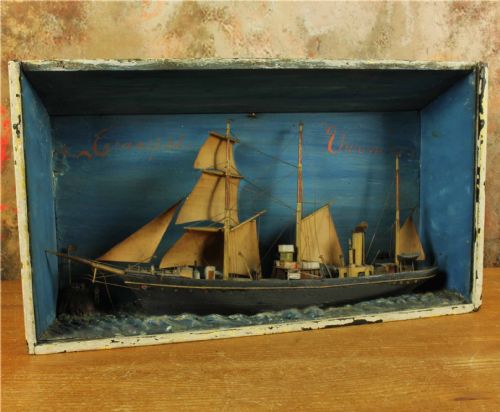


Handcrafted Maritime Model
A handcrafted maritime model brings naval history and folk art charm directly into your room, offering miniature vessels built with remarkable patience.
Handcrafted Maritime Model
When you search for a handcrafted maritime model, you encounter a specialised world of miniature ships built by hand from the nineteenth century through the 1930s. These objects capture naval vessels, racing yachts, and steamships through traditional maritime folk art practices.
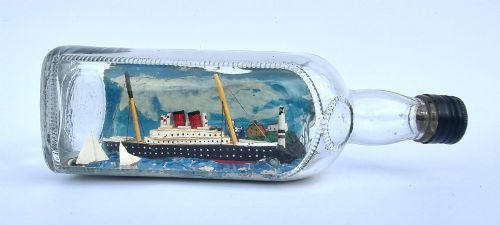
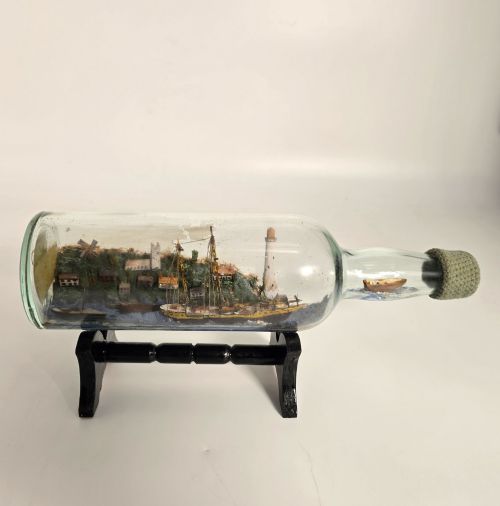
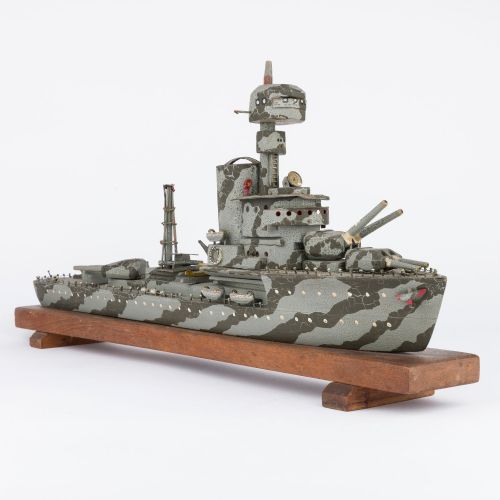
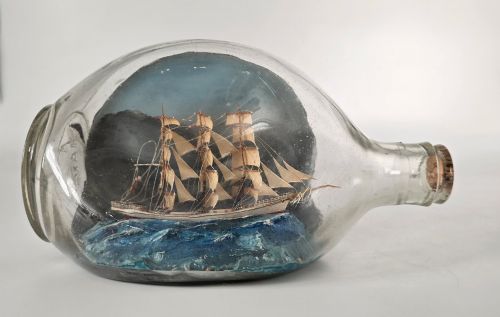
You are most likely to meet pieces such as ships enclosed within glass bottles, framed shadow box dioramas, and scratch-built wooden scale models on plinths. English, Welsh, and French makers created these works using materials close to hand.
The assortment spans simple folk art expressions to detailed representations of specific vessels like the HMS Endeavour and Royal Navy battleships. Each piece reflects the individual maker's interpretation of nautical life and maritime architecture.
How they were made
Makers constructed these models primarily from wood, canvas, thread, and metal, shaping hulls and rigging with basic hand tools. Scratch-built examples required meticulous measuring and fitting to achieve accurate proportions without commercial kits.
For bottled examples, artisans hinged masts and rigging to fold flat so the entire vessel passed through the narrow neck before being pulled upright using attached threads. Putty, paint, and cork often secured the ship within its glass enclosure and created sculpted waves around the hull.
Handcrafted Maritime Model Retail Price Guide 2026
Typical asking prices for handcrafted maritime model among the pieces listed under this phrase on Sellingantiques today, from the lower quarter to the upper quarter. They describe what is for sale here now, not the wider market.
Current listings span the nineteenth century through 1930, featuring wood, glass, paint, putty, metal, canvas, thread, and cork across British and French folk art traditions.
What varies in quality
Quality rests in the precision of the scaling and the dexterity shown in the rigging and deck fittings. Superior examples display fine joinery and convincing textures in the sea elements, whereas simpler works rely on heavier applications of paint and putty.
The integrity of the container or presentation box also matters, with clear, unblemished glass and well-joined wooden plinths enhancing the display of the model within. Original paint surfaces and legible titles add considerable character to the piece.
The Handcrafted Maritime Model Glossary
- Scratch-built
- A model constructed entirely from raw materials by the maker rather than assembled from a commercial kit. This method relies on independent measurements and custom fabrication.
- Diorama
- A three-dimensional scene depicting a ship in a specific setting, often enclosed in a glass-fronted box or shadow frame. These displays frequently incorporate painted backdrops and sculpted water.
- Maritime Folk Art
- Decorative objects related to the sea created by self-taught or traditional makers outside academic artistic circles. These pieces emphasise utilitarian materials and personal interpretation.
- Plinth
- A heavy wooden base or stand supporting a model ship or diorama. It elevates the piece for display and provides structural stability.
Handcrafted Maritime Model: Frequently Asked Questions
What is a ship in a bottle?
A ship in a bottle is a miniature vessel constructed to fit through the narrow neck of a glass container. Makers fold the masts down during insertion and pull them upright once inside.
Artisans then secure the hull using cork and putty, often modelling waves around the vessel to create a permanent ocean scene.
How old are these maritime models?
Most pieces found here date from the nineteenth century up to the 1930s. This period encompasses Victorian folk traditions and WWI era naval representations.
Makers from this timeframe relied on traditional hand tools and salvaged materials to complete their miniature vessels.
How should I display a model?
Models encased in bottles or shadow boxes require stable placement away from direct sunlight and extreme temperature fluctuations. This protects the delicate interior threads and painted surfaces from degradation.
Open scale models benefit from glass display cases to prevent dust accumulation on the fine rigging and deck fittings.