
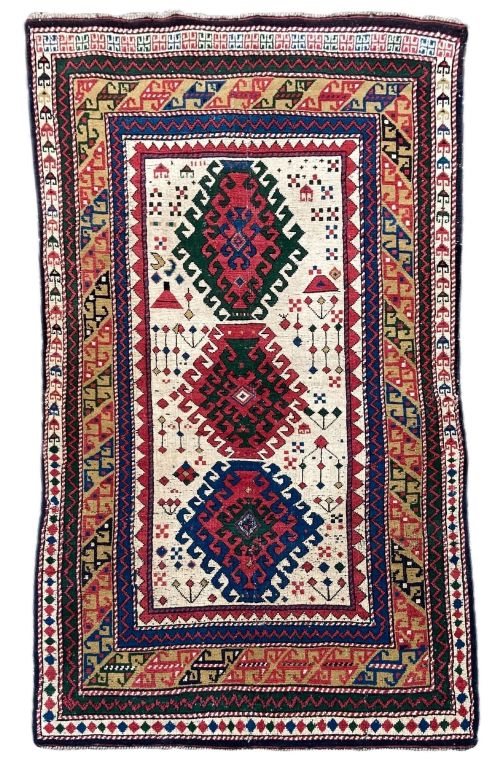
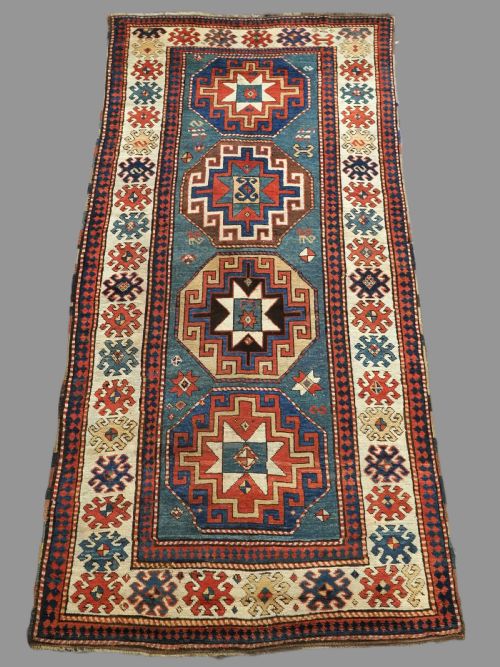
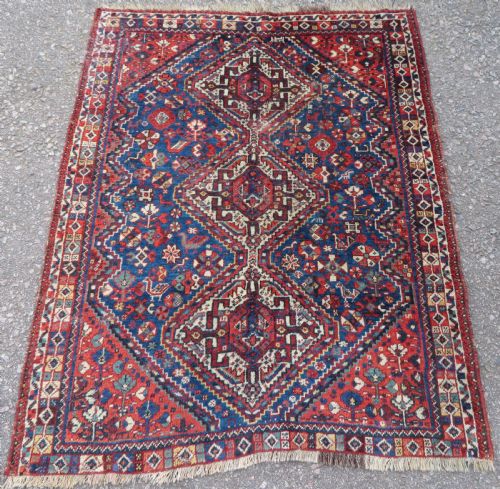
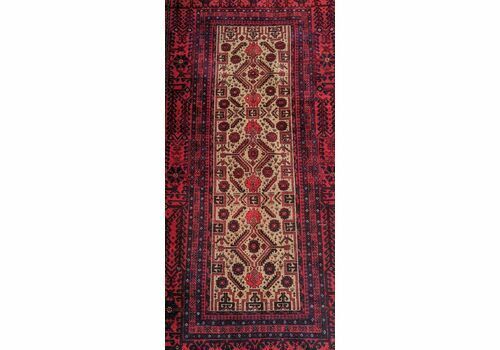



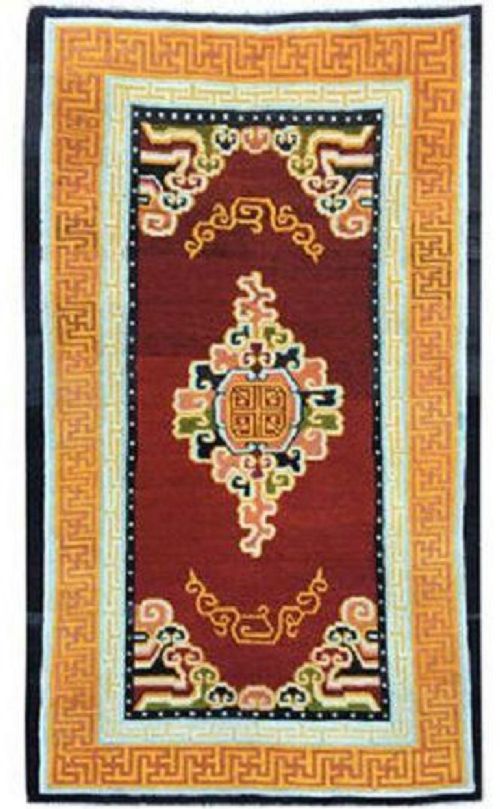
Hand Woven Rug Runner
A hand woven rug runner brings warmth and distinct pattern to narrow spaces through traditional craftsmanship.
Hand Woven Rug Runner
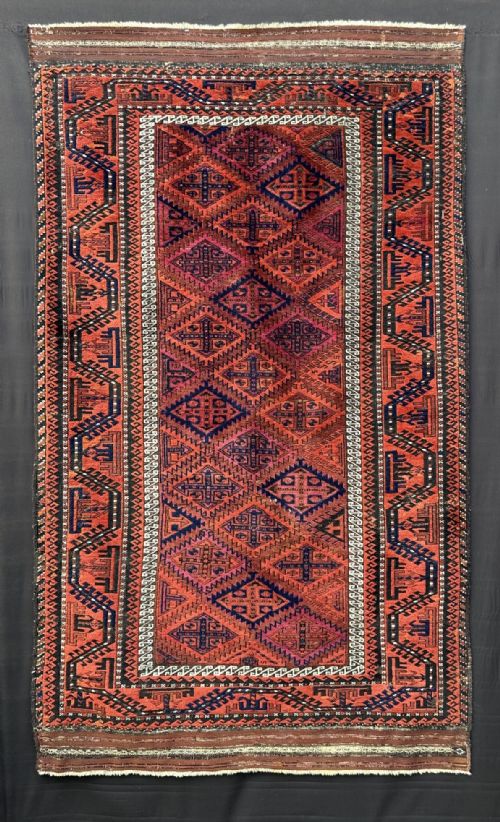
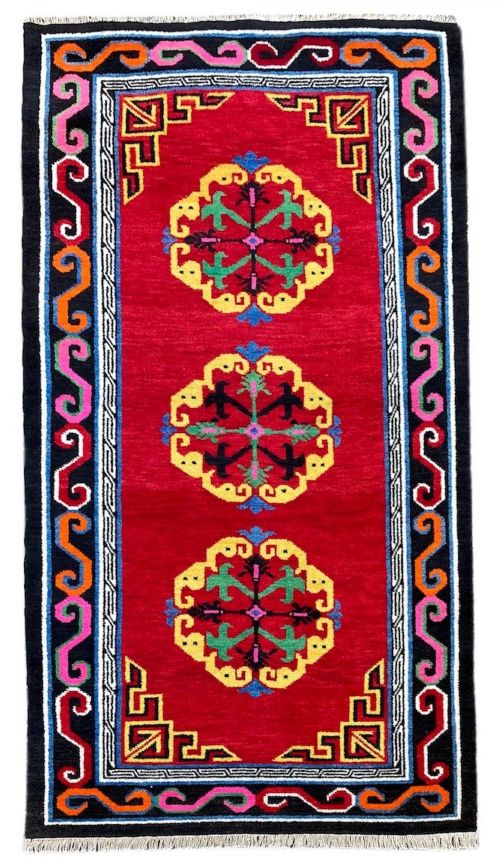
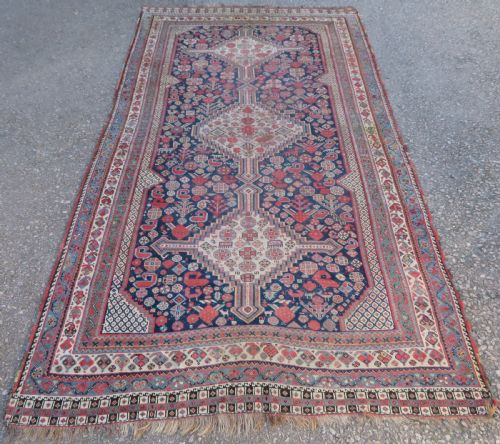
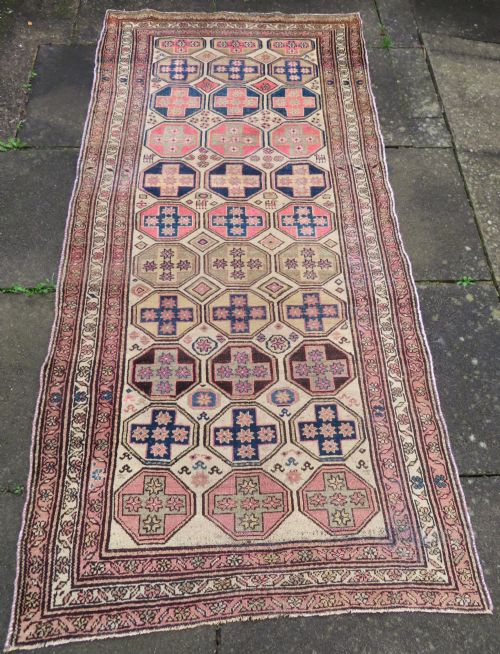
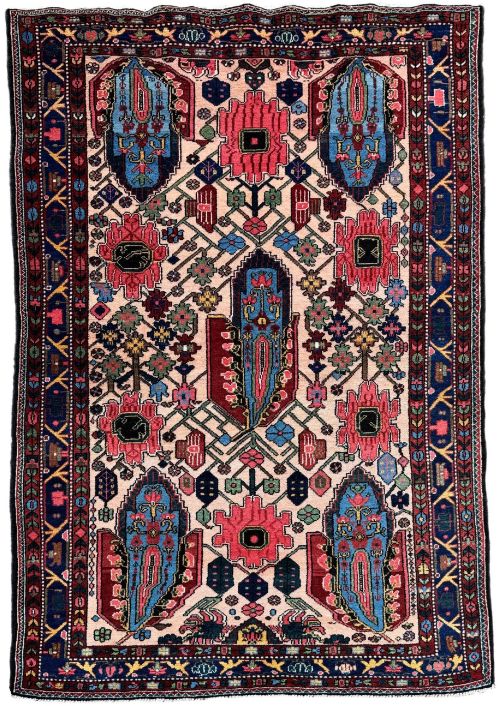
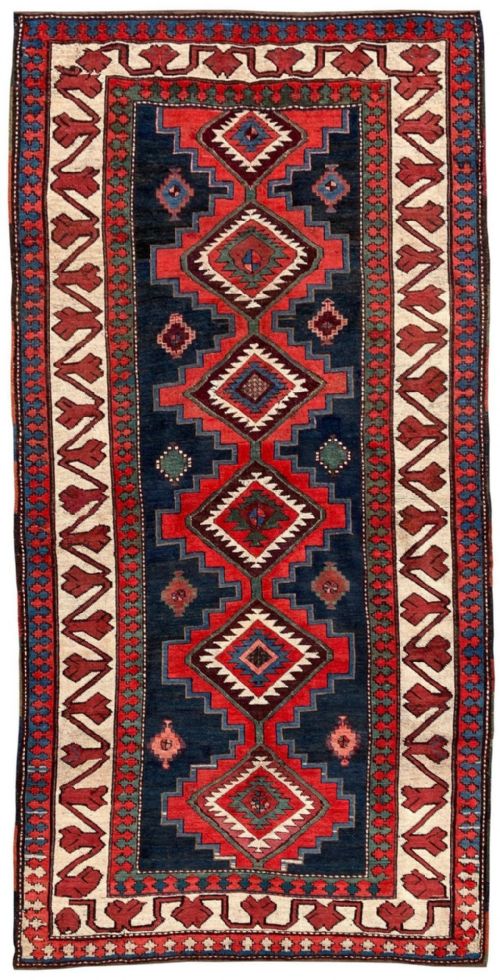
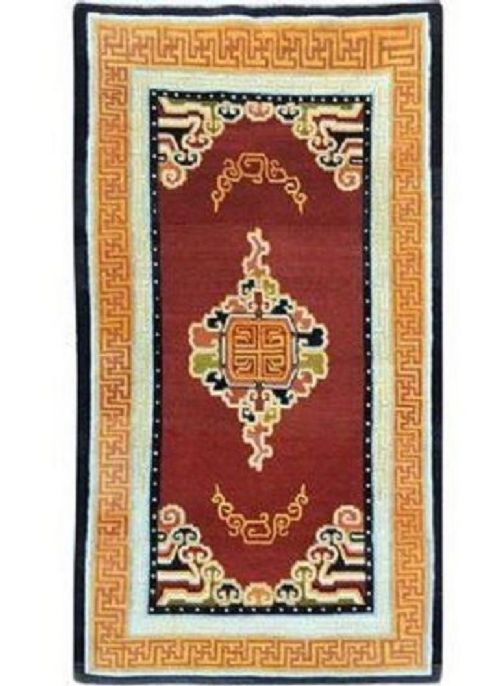
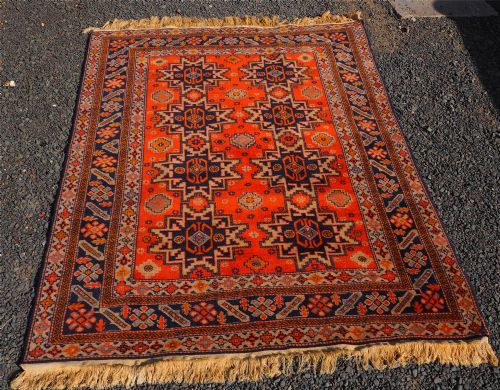
When searching for a hand woven rug runner, buyers encounter textiles originating from Persian, Caucasian, Tibetan, and Chinese traditions. These pieces span the nineteenth and early twentieth centuries, encompassing diverse tribal and village styles.
How They Were Made
These textiles utilise wool and cotton foundations combined with hand-spun wool pile and occasional silk. Natural dyes provide the palette across regional weaving centres.
Weavers employed traditional knotting and weaving techniques to construct durable carpets and runners designed for long-term functional use.
Some antique runners survived centuries of hallway traffic only to retire as remarkably stylish feline lounging platforms.
What Varies in Quality
Knot density and structural tightness determine the foundational integrity of each textile. Finer construction supports greater durability in heavy traffic corridors.
The complexity of design execution and the depth of natural dye coloration distinguish standard village weaving from finer workshop productions.
The Hand Woven Rug Runner Glossary
- Runner
- A long, narrow carpet format specifically proportioned for hallways, corridors, and stairs.
- Pile
- The cut or uncut loops of yarn that form the usable surface of the textile above the foundation.
- Natural Dyes
- Colourants derived from plant, insect, and mineral sources utilised before synthetic alternatives became dominant.
- Foundation
- The underlying structure of warp and weft threads that support the knotted pile or flatweave.
- Tribal
- A designation for textiles produced by nomadic or semi-nomadic groups following traditional motifs rather than formal workshop patterns.
Hand Woven Rug Runner: Frequently Asked Questions
Where should I place a runner?
Runners suit narrow transit spaces such as hallways, corridors, and gallery landings where length is required.
They also function effectively beside beds or in galley kitchens to introduce texture underfoot.
How do I identify a tribal rug?
Tribal rugs typically display geometric motifs, stylized animals, and asymmetric designs reflecting regional weaving traditions.
These pieces often exhibit spontaneous colour shifts and irregular borders distinct from formal city workshops.
What materials are used?
Most pieces combine wool pile with cotton or wool foundations, utilising natural dyes for coloration.
Occasional examples incorporate silk highlights or specialised regional fibres.
How do I care for an old runner?
Regular gentle vacuuming without a beater bar prevents dirt accumulation within the wool pile.
Professional cleaning suited for antique textiles preserves the integrity of natural dyes and foundation threads.