







Hand Table Bell
These hand table bell selections combine utility and ornament, offering tactile connection to domestic rituals across centuries.
Hand Table Bell
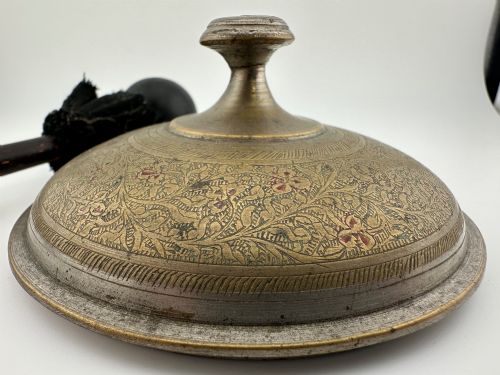
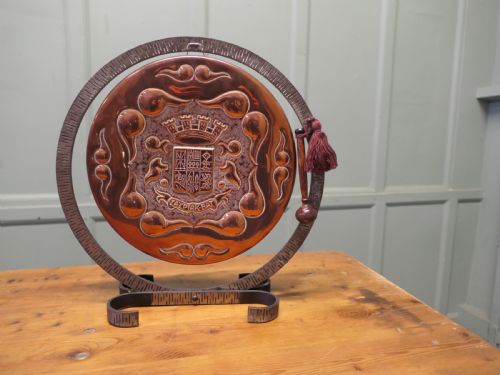
A hand table bell represents a portable ringing instrument designed for summoning attendants or marking service at dining tables and desks. When you search for this phrase, you encounter diverse forms ranging from modest domestic call bells to substantial table gongs and decorative glass pieces.
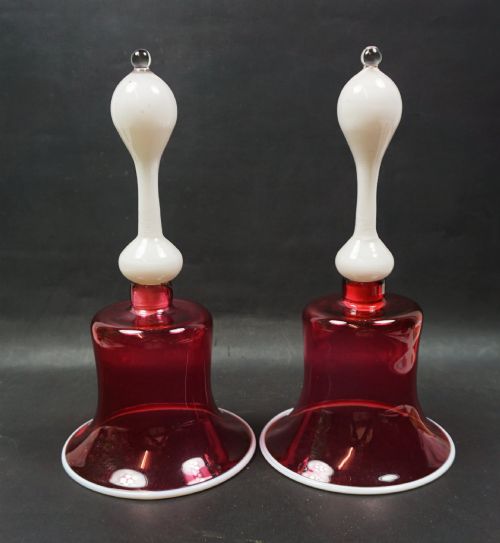
The material range spans sterling silver, brass, copper, carved wood, and coloured glassware including cranberry and ruby glass. Periods stretch from the eighteenth century through the Victorian era into the mid-twentieth century.
Most items you meet on this page originate from British, European, and Asian workshops, displaying styles from Victorian and Renaissance Revival to Basque folk art and Chinoiserie.
Materials and Construction
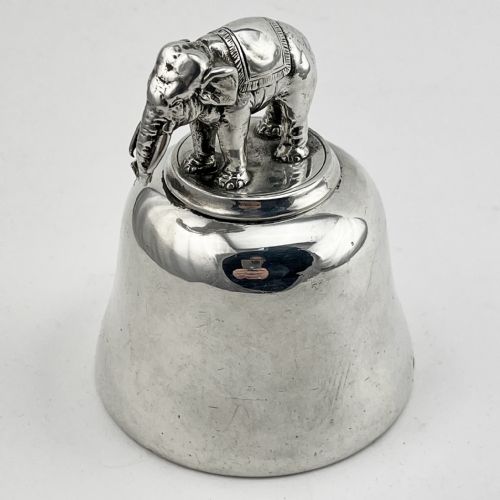
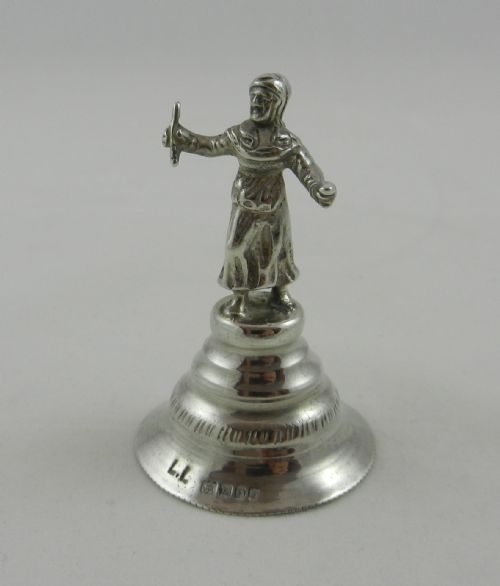
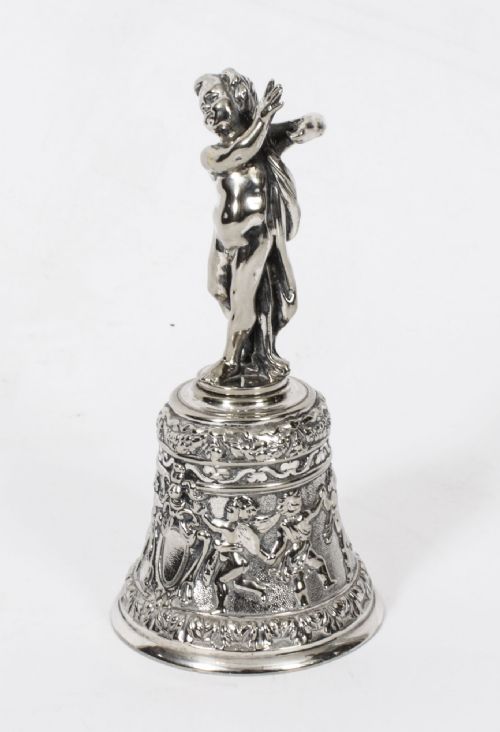
Metal specimens involve casting, hand hammering, and silver plating, utilising sterling silver, brass, iron, and copper. Silver examples often incorporate intricate figural handles and cast bodies requiring skilled metalsmithing.
Glass pieces utilise ruby, cranberry, milk, and clear glass, frequently paired with contrasting glass handles or metal rims. Wooden items employ carved oak, fruitwood, and elm combined with iron hardware for gongs and bellows.
Hand Table Bell Retail Price Guide 2026
Typical asking prices for hand table bell among the pieces listed under this phrase on Sellingantiques today, from the lower quarter to the upper quarter. They describe what is for sale here now, not the wider market.
Some prisoner of war items found here share shelf space with delicate Victorian table glassware.
Assessing Quality and Execution
Quality rests in the crispness of the casting or the depth of the hand carving, distinguishing refined silver and carved wood from standard production. Weight and gauge of the metal significantly influence the resonance and durability of the piece.
The artistic ambition of the handle design, whether figural sterling silver or layered coloured glass, separates standard utilitarian objects from decorative works of art.
Asprey
The Hand Table Bell Glossary
- Sterling Silver
- An alloy of silver containing ninety-two point five percent silver by mass, valued for its bright lustre and durability in fine tableware.
- Table Gong
- A suspended metal or wooden disc struck with a mallet, functioning as a larger alternative to a handheld bell for summoning dinner guests.
- Cranberry Glass
- A rich red glass produced by adding gold chloride to the molten batch, popular during the nineteenth century for decorative table wares.
- Renaissance Revival
- A nineteenth-century architectural and decorative style drawing inspiration from fifteenth and sixteenth-century European forms.
- Trench Art
- Items made by soldiers, prisoners of war, or civilians from war debris, utilising discarded metal casings and military hardware.
Hand Table Bell: Frequently Asked Questions
What is a hand table bell used for?
These instruments served primarily to summon domestic staff in larger households or to signal the beginning of meals. They functioned as both practical communication tools and decorative items on dining tables.
Over time, their role shifted toward decorative display, though many retain their original ringing function through internal clappers or suspended mallets.
How do I date a silver table bell?
Dating relies on stylistic clues such as Victorian ornamentation, Renaissance Revival motifs, or specific hallmarks stamped onto silver components. Comparing the weight, handle configuration, and manufacturing technique provides further chronological context.
Maker marks and silver assay offices help pinpoint exact decades of production for pieces created from the eighteenth century onward.
What distinguishes cranberry glass from ruby glass?
Cranberry glass achieves its distinct pinkish-red tone through the addition of gold to the molten glass mixture during production. Ruby glass often utilises different mineral compounds to yield a deeper, darker red appearance.
Both varieties appear frequently in nineteenth-century bell handles and bodies, often paired with clear or white glass elements.
How should I clean antique metal bells?
Silver and brass pieces require gentle dusting and occasional cleaning with appropriate metal polishes to maintain their surface appearance. Avoiding abrasive materials prevents damage to delicate engravings and hand-hammered textures.
Preserving the natural patina is often preferred by collectors, so cleaning should be undertaken sparingly and with care.