




Hand Painted Wooden Toy
A hand painted wooden toy brings tactile charm into a room, offering enduring folk art appeal for collectors and interior decorators.
Hand Painted Wooden Toy
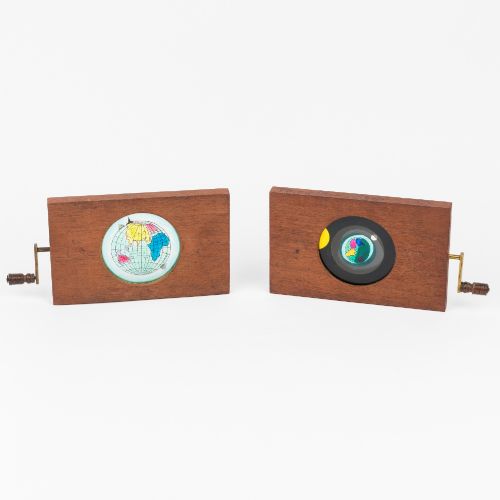
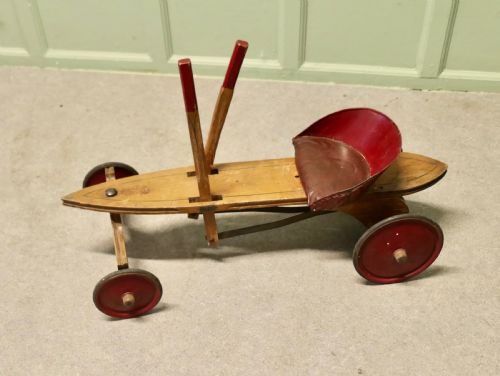
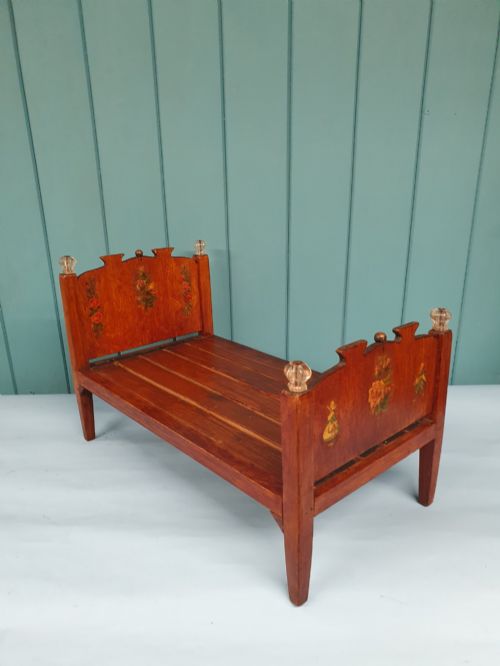
When searching for a hand painted wooden toy, you encounter folk art figures, rocking horses, miniature furniture, and educational playthings from the nineteenth and early twentieth centuries. These objects combine utilitarian craftsmanship with naive artistic expression, reflecting the domestic and recreational life of past eras.
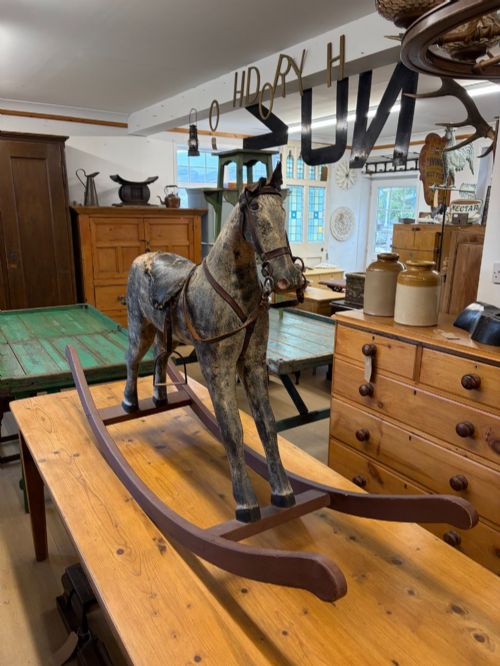
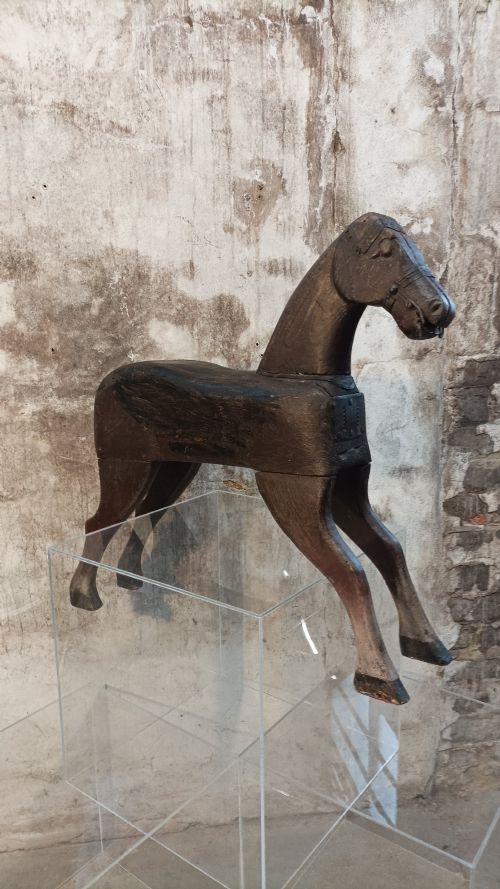
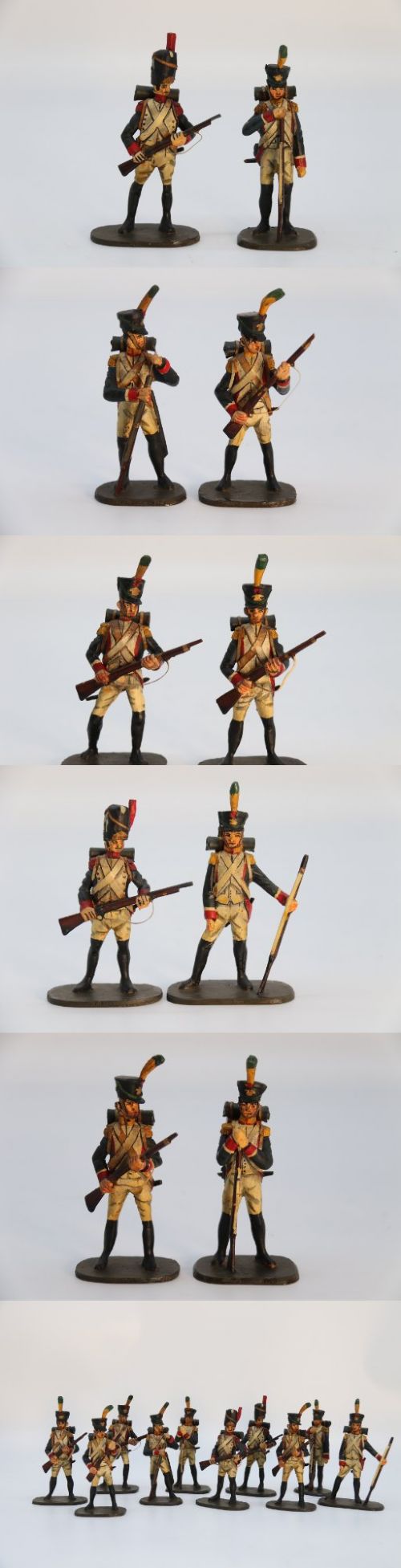
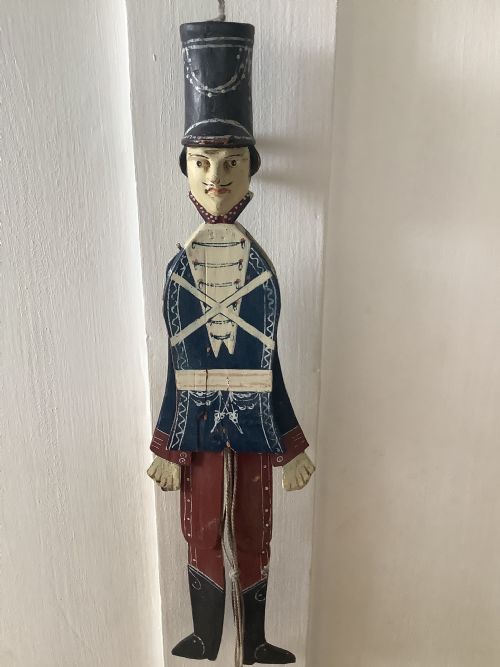
The most common examples on this page are nineteenth-century rocking horses and carved animal sculptures, alongside early twentieth-century whimsies like jigger dolls, soldier figures, and whirligigs. Many of these pieces originate from British, American, French, and Spanish traditions, showing distinct regional approaches to carving and surface decoration.
Whether large scale or miniature, each hand painted wooden toy serves primarily as a decorative sculpture today. Their surviving painted surfaces and patinated timber construction provide a tangible link to historical folk art traditions.
How they were made
Makers utilised available timbers such as pine and various hardwoods, shaping them through carving and turning before applying surface decoration. Metal, leather, iron, and horsehair frequently supplement the wooden construction, particularly in complex figures like rocking horses and jointed toys.
The decorative schemes rely on hand applied paint layers, which often survive in varied states of preservation. Surface treatments range from naive block colouring on educational blocks and soldier figures to more detailed polychrome finishes on nineteenth-century rocking horses.
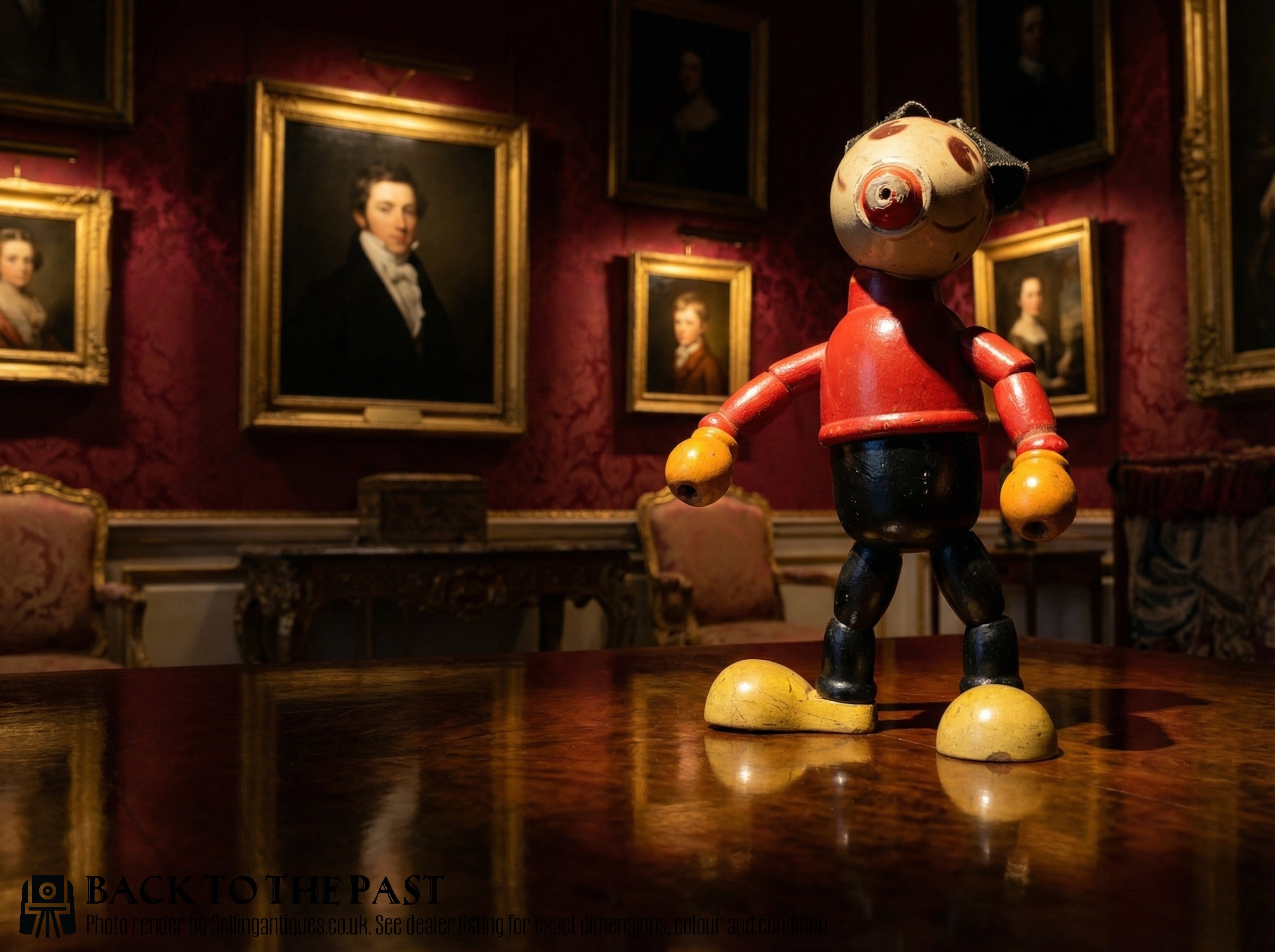
A painted wooden mouse from 1930 waits quietly among the horses.
What varies in quality
The distinction between ordinary and exceptional pieces lies in the strength of the carving and the originality of the surface paint. Strong sculptural presence and expressive detailing separate utilitarian playthings from superior folk art carvings.
Surviving original paint surfaces significantly elevate a piece, especially when the pigment retains its authentic character and unretouched patina. The integrity of the timber construction and the presence of supplementary materials like horsehair or leather further define the standard of execution.
Periclès
The Hand Painted Wooden Toy Glossary
- Folk art
- Artistic work produced from an indigenous culture or peasant society, typically characterised by a naive style and lack of formal academic training. This term applies to many handmade figures and toys found within historical inventories.
- Whirligig
- A wind driven toy or decorative contraption that moves or spins when air currents catch its paddles. These kinetic folk art objects often depict sailors, soldiers, or animals.
- Jigger doll
- A mechanical dancing toy attached to a board, designed to jig or tap when the supporting surface is flexed by hand. They provide an early example of kinetic entertainment.
- Treen
- Small handmade wooden household objects and treenware items, shaped by turning or carving. The category encompasses spinning tops, small boxes, and miniature items.
- Naivety
- An artistic approach featuring childlike perspective and unpolished proportions, valued for its directness and charm. It defines the aesthetic of many historical toys.
Hand Painted Wooden Toy: Frequently Asked Questions
What is a hand painted wooden toy?
A hand painted wooden toy is a historical plaything or decorative figure shaped from timber and finished with pigment by hand. These items encompass rocking horses, soldier figures, and kinetic folk art.
Such pieces reflect regional craftsmanship from the nineteenth and early twentieth centuries. They function today primarily as decorative sculptures with distinct historical character.
How were wooden toys used historically?
Historical wooden toys served as children's playthings, educational tools, and kinetic nursery ornaments. Items like rocking horses provided physical amusement, while alphabet blocks supported early learning.
Over time, many surviving pieces transitioned from active use into decorative objects. Their robust wooden construction allowed them to endure generations of handling.
How do I care for antique wooden toys?
Antique wooden toys require stable indoor environments away from direct sunlight and excessive humidity. Maintaining consistent temperatures prevents the underlying timber from splitting and protects delicate paint layers from flaking.
Cleaning should remain minimal, restricted to gentle dusting with a dry, soft cloth. Avoid using harsh chemical cleaners or water on original painted surfaces.
How can I tell different periods apart?
Differentiating periods involves examining the construction techniques, tool marks, and style of paint application. Nineteenth-century pieces often display heavier primitive carving and distinct regional folk art characteristics.
Twentieth-century examples, such as those from the 1920s and 1930s, may incorporate manufactured metal components alongside traditional woodwork. Comparing the style to dated benchmarks helps establish an approximate timeframe.