

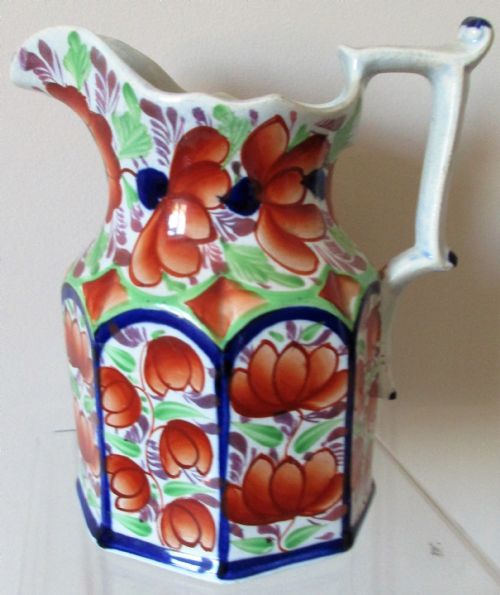
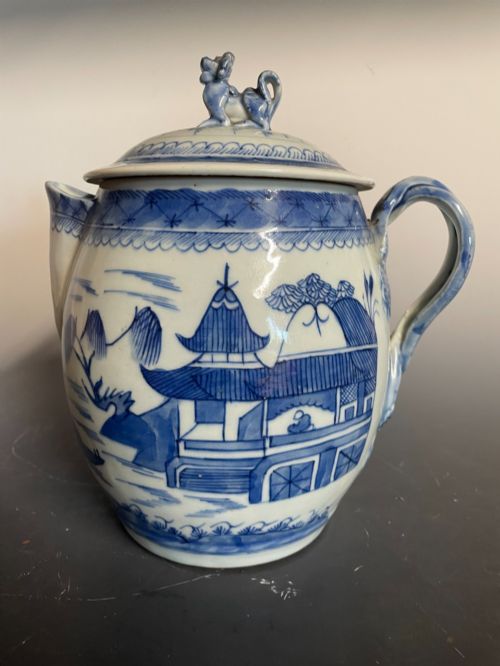


Hand Painted Water Jug
A hand painted water jug brings vibrant colour and pattern to a table, combining utility with decorative porcelain, glass or earthenware craftsmanship.
Hand Painted Water Jug
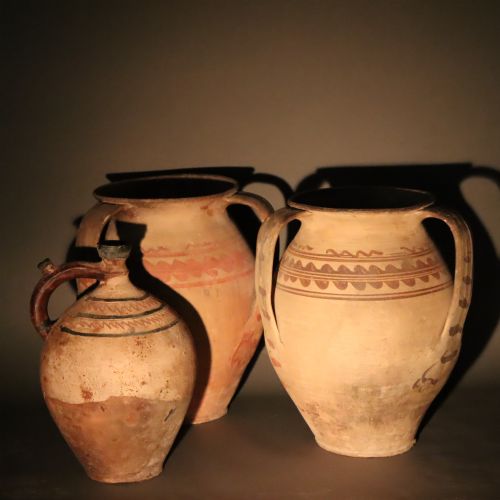
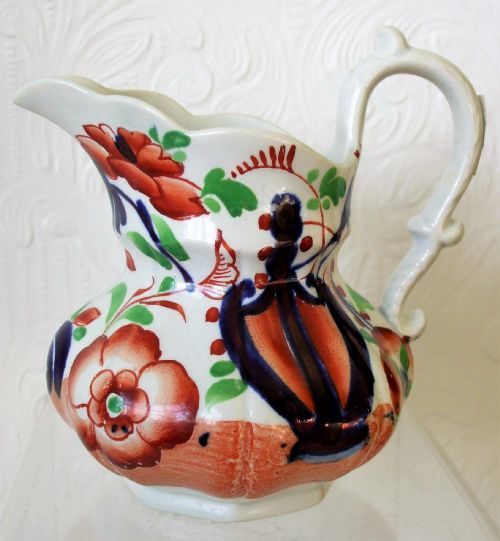
A hand painted water jug spans centuries of ceramic and glass production, appearing in forms such as ewers, pitchers and traditional vessels. You will frequently encounter Victorian earthenware and porcelain examples decorated with florals or patterns, alongside Georgian pearlware and twentieth-century designs.
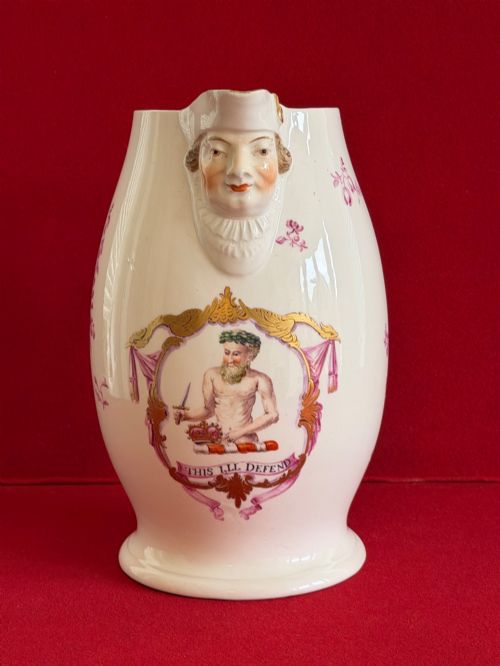
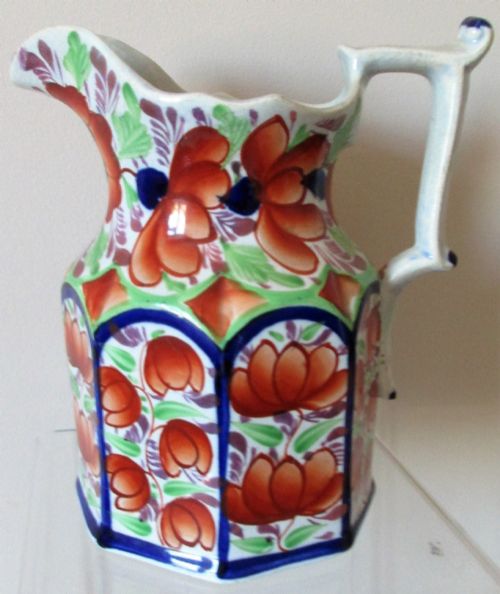
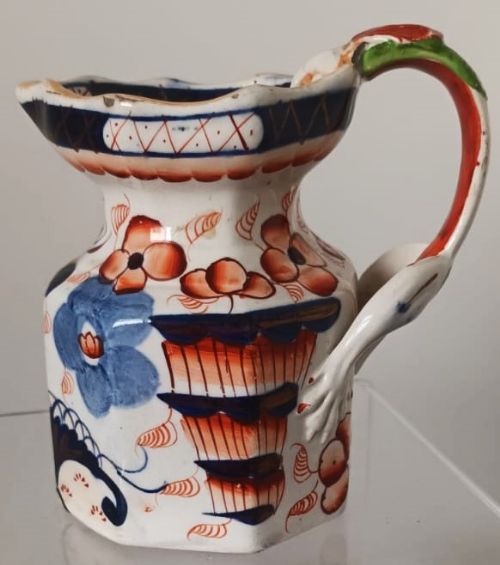
The selection ranges from Staffordshire pottery and Gaudy Welsh patterns to fine porcelain ewers by makers like Royal Worcester and Chamberlain Worcester. Pieces take the form of domestic pitchers, decorative ewers and commemorative vessels intended for display or service.
Materials and construction methods
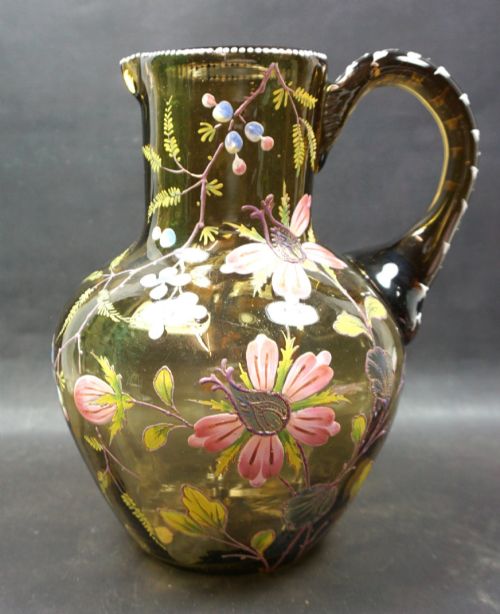
Potters shaped these vessels from earthenware, pearlware and porcelain, applying coloured glazes, enamel decoration and gold leaf accents by hand. Glass versions utilise blown techniques paired with painted motifs, while faience and majolica employ opaque tin glazes to form a smooth surface for detailed pigment work.
Kiln firing set the body and underglaze colours, followed by subsequent lower-temperature firings for delicate overglaze enamels and gilding. The marriage of moulded clay or blown glass with freehand painting defines the creation of each individual vessel.
Hand Painted Water Jug Retail Price Guide 2026
Typical asking prices for hand painted water jug among the pieces listed under this phrase on Sellingantiques today, from the lower quarter to the upper quarter. They describe what is for sale here now, not the wider market.
Bull baiting and birds share shelf space with armorial crests and Byzantine patterns.
Factors determining the standard of a piece
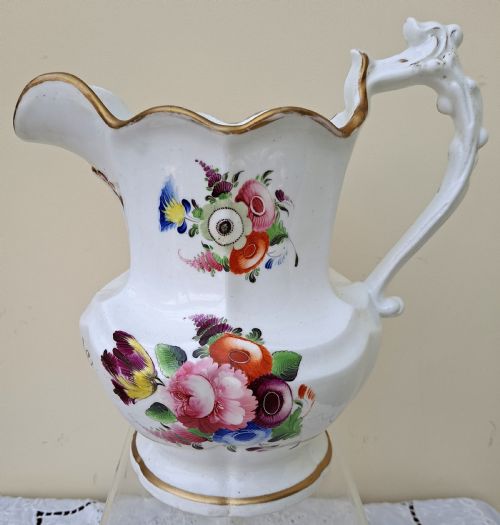
The precision and detail of the hand-painted decoration separate simpler utilitarian wares from exhibition-standard pieces. Fine brushwork, careful application of gilding and enamel, and crisp moulding of the ceramic or glass body indicate superior execution.
The reputation of the manufactory, from Royal Worcester to Meissen or Chamberlain Worcester, influences the standing of a vessel. Well-preserved painted surfaces with minimal wear to gold leaf and enamels preserve the integrity and visual impact of the design.
Royal Worcester·Chamberlain Worcester·Crown Derby·Mason's
The Hand Painted Water Jug Glossary
- Ewer
- A large jug with a wide spout and a curved handle, traditionally used for holding water. These vessels often feature decorative forms suited for display rather than plain service.
- Pearlware
- A refined type of earthenware developed in the eighteenth century, featuring a thin glaze with a slight bluish tinge. It served as a smooth white ground for painted and printed patterns.
- Gaudy Welsh
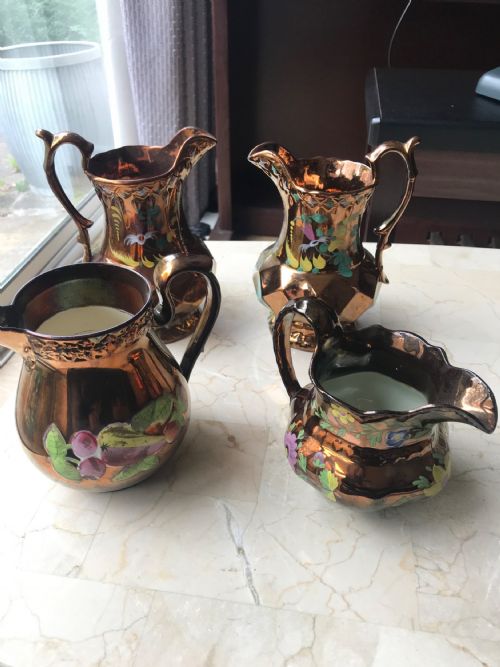
- A style of colourful pottery produced in the nineteenth century, characterised by bright cobalt blue, copper lustre, iron red and green. These domestic wares are collected for their vibrant hand-decorated patterns.
- Faience
- Tin-glazed earthenware produced in various European traditions, offering an opaque white surface suitable for painted scenes and floral motifs. The technique dates back centuries across France, England and the Netherlands.
Hand Painted Water Jug: Frequently Asked Questions
What periods do these jugs come from?
The listings include items spanning from the seventeenth century through the Georgian and Victorian eras up to the Art Deco period of the nineteen-thirties.
Victorian and nineteenth-century examples appear most frequently, encompassing earthenware, porcelain and glass production.
How were these jugs used originally?
These vessels served practical domestic roles for pouring water, milk or drinks at the table, as well as functioning within washbasin sets.
Many decorative ewers and painted pieces were also made primarily for display on sideboards or mantelpieces within middle and upper-class homes.
How do I care for a painted glass or ceramic jug?
Wash painted ceramic and glass vessels gently by hand in warm water using mild soap, avoiding abrasive pads that can damage enamels and gold leaf.
Keep them away from direct heat sources and harsh cleaning chemicals to preserve the delicate hand-painted surfaces.