




Hand Painted Spode China
Hand painted spode china brings together fine porcelain and careful brushwork, offering the collector crisp Regency forms and bright floral panels.
Hand Painted Spode China
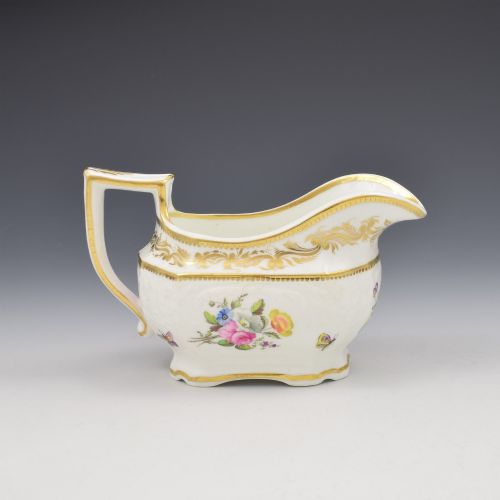
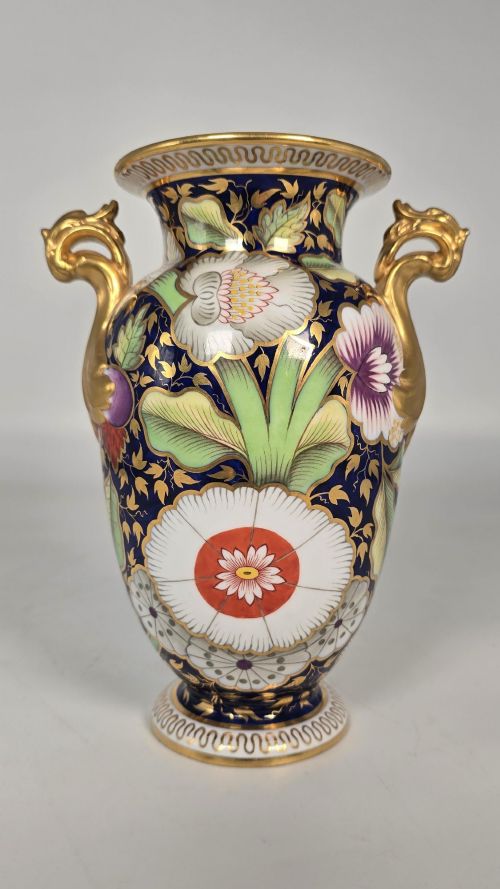
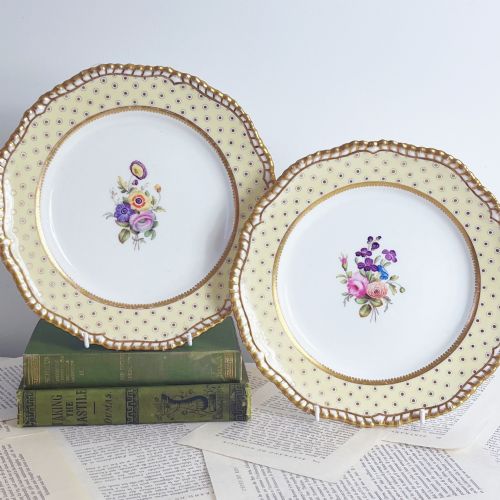
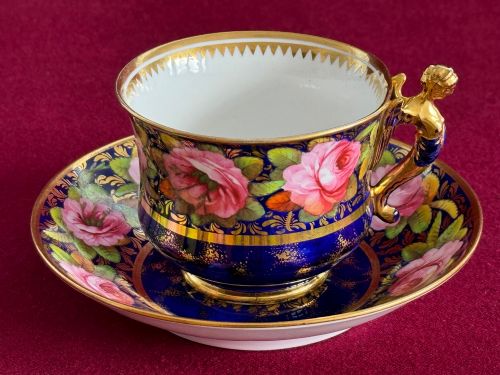
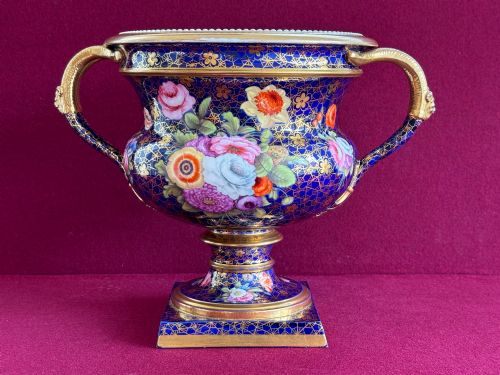
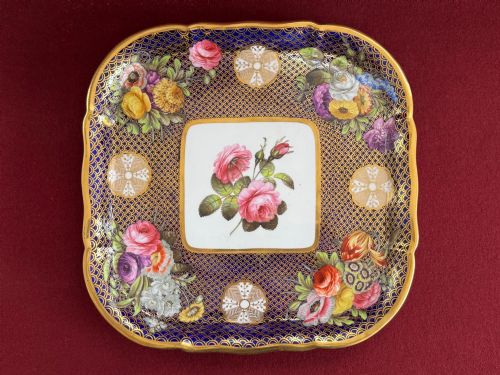
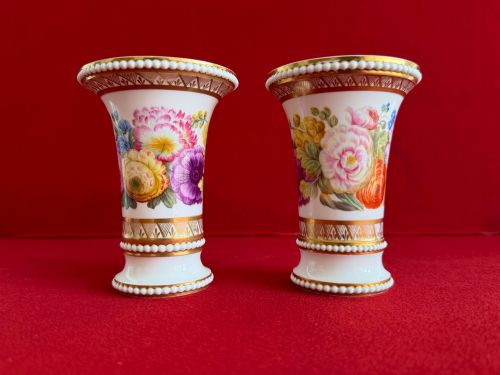
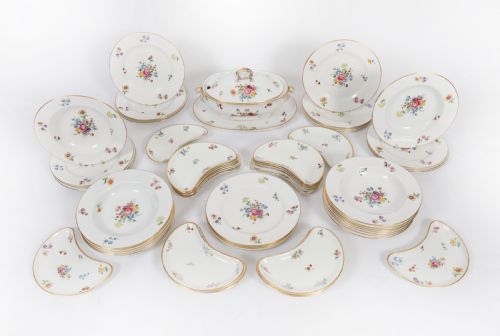
When you search for hand painted spode china, you encounter forms ranging from delicate teacups and saucers to large decorative trays, spill vases, and cabinet plates. The pieces span periods from the Georgian and Regency eras through the nineteenth century into the 1930s, reflecting changing domestic tastes.
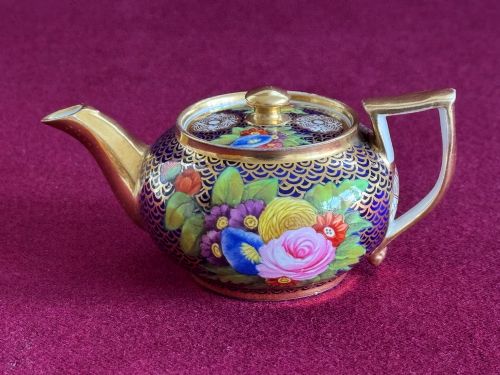
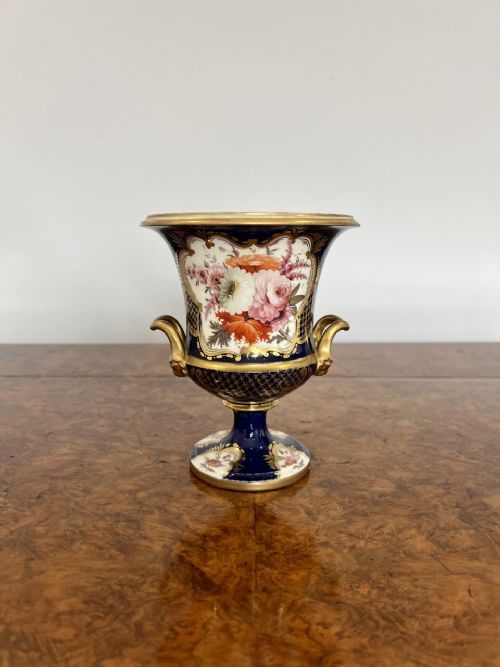
You are most likely to meet Regency porcelain vessels featuring pattern numbers such as 1166, 2573, and 2975 alongside later Copeland productions. These objects include miniature teapots, sucriers, dessert plates, and sizeable vases designed for display or parlour use.
How they were made
The body of the ware relies on porcelain, bone china, and felspar porcelain, shaped into tableware and display pieces before receiving a smooth porcelain glaze. Artisans then applied pigments by hand, working within specific pattern codes to ensure uniformity across matching services.
Gilding and gold leaf add rich borders and highlights to the painted motifs, fixed through secondary firing. Enamel colours provide the bright tones seen on floral sprays and scenic views.
Hand Painted Spode China Retail Price Guide 2026
Typical asking prices for hand painted spode china among the pieces listed under this phrase on Sellingantiques today, from the lower quarter to the upper quarter. They describe what is for sale here now, not the wider market.
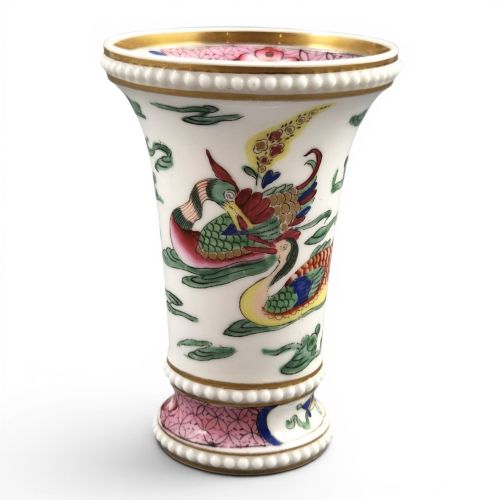
Spode pattern 2975 brings delightful depictions of ducks and lotus flowers directly into nineteenth-century tea services.
What varies in quality
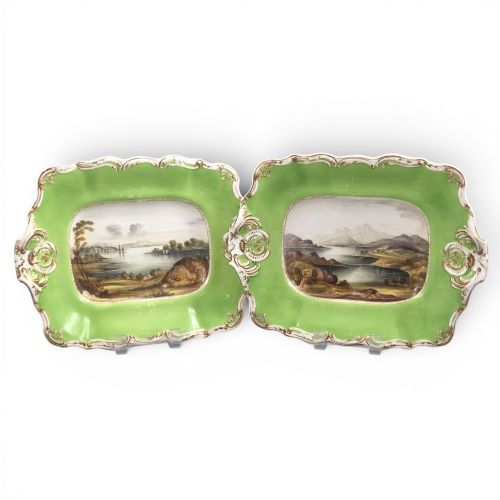
The distinction between standard domestic items and the finest pieces rests upon the precision of the brushwork and the ambition of the pattern. Exceptional vessels display complex hand-painted scenes, such as Scottish views or detailed animal and lotus motifs, executed with clear control.
The application of gold leaf and the crispness of the porcelain glaze also mark out superior work. Richly gilded borders and unblemished surfaces indicate a higher grade of manufacture from the factory.
Spode·Copeland·Copeland and Garrett
The Hand Painted Spode China Glossary
- Bone china
- A type of soft-paste porcelain incorporating bone ash to improve strength and whiteness. It forms the body for many nineteenth-century teacups and plates.
- Felspar porcelain
- An innovative ceramic body introduced by Spode containing felspar, which increased translucency and durability. It provides a sturdy base for large decorative dishes.
- Sucrier
- A small covered sugar basin intended for the tea table. These vessels often match the pattern of contemporary teacups and teapots.
- Spill vase
- A tall, narrow vessel designed to hold thin wooden spills used for lighting candles or fires. Pairs of these vases frequently feature hand-painted botanical or scenic decoration.
- Enamel
- Vitreous coloured composition fused to the porcelain surface during firing. It supplies the vibrant reds, blues, and greens found in traditional pattern work.
Hand Painted Spode China: Frequently Asked Questions
What periods do these pieces cover?
The items span from the Georgian and Regency periods through the nineteenth century up to the 1930s. This includes early nineteenth-century porcelain alongside later Copeland output.
Each era brings distinct forms and pattern numbering systems that help date the ceramics accurately.
How were these ceramics used originally?
Many items served practical functions in tea and dinner services, such as teacups, saucers, sucriers, and large dessert plates. Other pieces, including spill vases and Warwick vases, were purely ornamental.
Tableware was handled daily in prosperous households, while cabinet plates and decorative trays remained on display in parlours.
How do I identify pattern numbers?
Pattern numbers are typically painted or printed on the base of the porcelain alongside factory marks. These numbers correspond to specific decorative schemes recorded in factory ledgers.
Matching a number, such as pattern 1166 or 2975, helps link a piece to its exact production period.
How should I care for hand painted china?
Hand-painted porcelain and delicate gilding require gentle handling and careful hand washing with mild soap. Avoid abrasive cleaners that can wear away enamel pigments and gold leaf over time.
Display pieces should be kept away from direct sunlight to preserve the original vibrancy of the painted surface.