





Hand Painted Scent
These hand painted scent vessels combine miniature artistry with portable luxury, spanning Georgian enamels to Victorian porcelain.
Hand Painted Scent
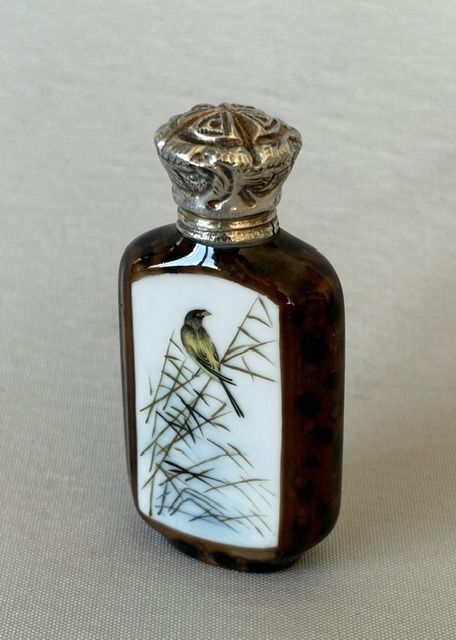
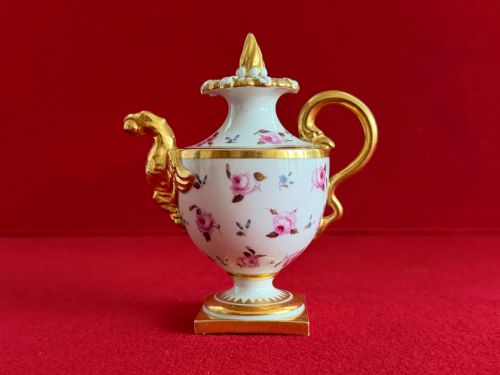
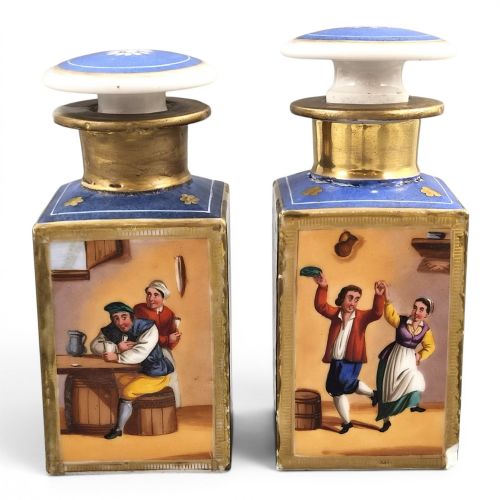
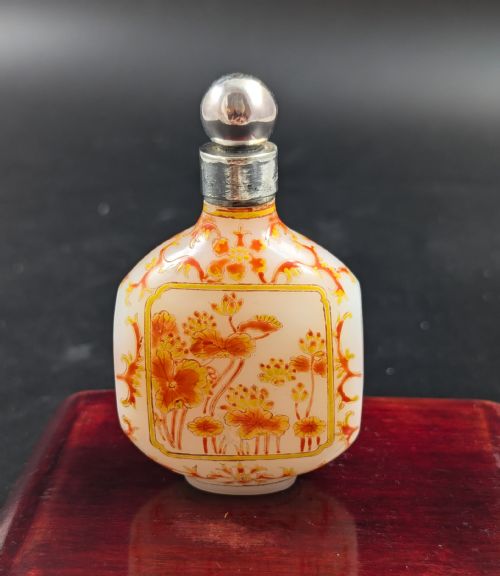
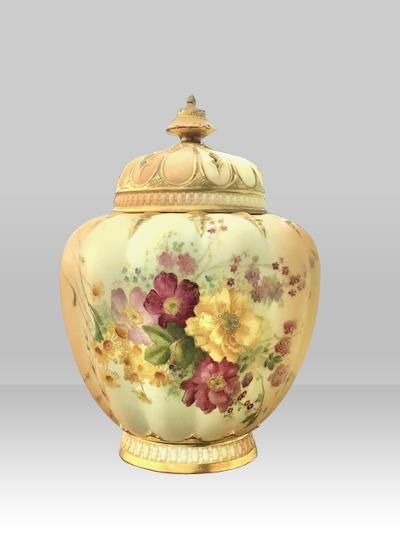
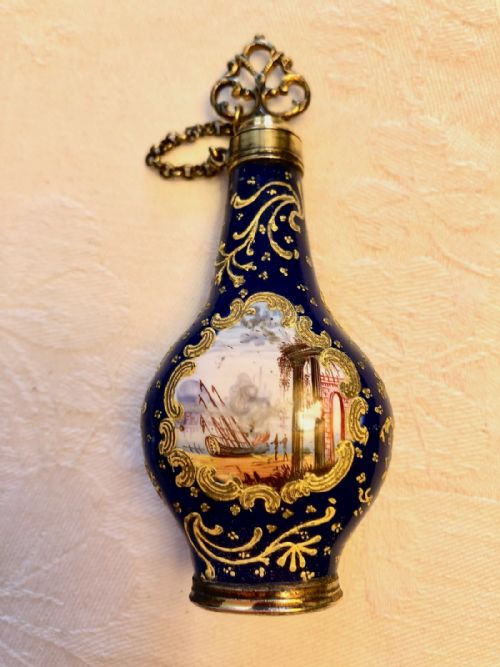
When you search for hand painted scent pieces, you enter a diverse field of small decorative bottles, flasks and ewers designed to hold perfumes, rose water or snuff. The examples on this page range widely from Georgian enamel scent bottles and Regency porcelain sprinklers to mid-nineteenth-century French figural perfume bottles and Chinese painted porcelain snuff bottles.
Buyers will most frequently encounter nineteenth-century production, particularly French porcelain items associated with makers like Jacob Petit, English factory pieces from Minton, Worcester and Samuel Alcock, alongside Qing Dynasty Chinese snuff bottles featuring intricate interior or exterior brushwork.
The forms vary from simple glass and enamel pocket containers to elaborate pot pourri vases and figural vessels, all united by detailed hand painting that transforms a utilitarian container into a miniature canvas.
Materials and construction
The material palette centres on hard-paste porcelain, enamel, glass and glazed ceramic bodies, frequently decorated with hand-painted polychrome scenes, gold leaf, and gilt highlights. English and French works utilise fine porcelain blanks painted with floral motifs or figural panels, while Chinese examples employ delicate interior painting techniques or layered enamel over white glass and porcelain.
Metal mounts in silver or gilt brass often secure the closures of glass and enamel scent bottles, requiring specialist metalwork alongside ceramic firing and miniature brushwork. Enamel pieces involve fusing powdered glass to metal bases at high temperatures before applying fine surface details by hand.
Hand Painted Scent Retail Price Guide 2026
Typical asking prices for hand painted scent among the pieces listed under this phrase on Sellingantiques today, from the lower quarter to the upper quarter. They describe what is for sale here now, not the wider market.
Listings span the Georgian, Regency, and Victorian periods, showcasing porcelain, enamel, silver, and glass.
The spectrum of quality
Quality in these small pieces rests primarily on the crispness and finesse of the hand painting, from the precise brushwork of figural scenes and botanical studies to the evenness of the glaze and enamel application. Superior items display controlled miniaturisation where faces, clothing, or floral petals retain sharp detail without muddiness.
The integration of materials also defines the better end of the range, such as secure silver mounts on enamel bottles, well-preserved gilding that has not rubbed thin, and crisp factory marks that confirm the origin of Worcester, Minton, or Jacob Petit pieces.
Flight Barr And Barr·Jacob Petit·Samuel Alcock·Minton·Royal Worcester
The Hand Painted Scent Glossary
- Enamel
- A durable glossy substance made of melted powdered glass fused on a metal or glass substrate. It provides a smooth, colourful surface ideal for miniature hand-painted scenes.
- Pot Pourri
- A mixture of dried petals and spices traditionally held in a decorative pierced vessel to perfume a room. These containers often match the materials of smaller scent bottles.
- Hard-Paste Porcelain
- A dense, vitrified ceramic composed of kaolin and petuntse fired at high temperatures. It forms the robust body for many nineteenth-century European and Chinese bottles.
- Gilt
- A thin layer of gold applied to the surface of porcelain, metal or glass for decoration. It is often used to highlight rims, collars and figural panels.
- Rose Water Sprinkler
- A specific vessel with a long, narrow neck designed to sprinkle scented water. They appear in Regency porcelain productions.
Hand Painted Scent: Frequently Asked Questions
What were hand painted scent bottles used for?
These small containers were carried in pockets or reticules to hold smelling salts or liquid perfumes. They provided a quick relief from unpleasant odours during daily travel.
Larger vessels like pot pourri vases served to fragrance domestic interiors, combining functional utility with decorative miniature art.
How do I care for antique scent bottles?
Display these delicate porcelain and enamel pieces away from direct sunlight to protect the hand-painted pigments and gold leaf from fading. Clean them only with a dry or barely damp soft cloth.
Avoid using chemical solvents or immersing mounted pieces in water, as moisture can damage old adhesives and tarnish silver fittings.
How can I tell English pieces from French ones?
English factories like Worcester, Minton and Samuel Alcock often utilised distinct paste compositions and factory marks stamped or painted underneath. Their decorative styles frequently leaned towards botanical studies and refined gilding.
French makers such as Jacob Petit favoured bolder figural forms, vibrant colour combinations like bleu de roi, and theatrical or pastoral scenes.
What is the difference between perfume and snuff bottles?
Perfume and scent bottles generally featured hinged or fitted stoppers designed for liquid contents or volatile salts. They often used porcelain, glass, or enamel.
Snuff bottles originated primarily in China and were designed with tight-fitting spoons attached to the stopper for dry tobacco powder, showcasing intricate interior painting or carved overlay.