


Hand Painted Porcelain Sculpture
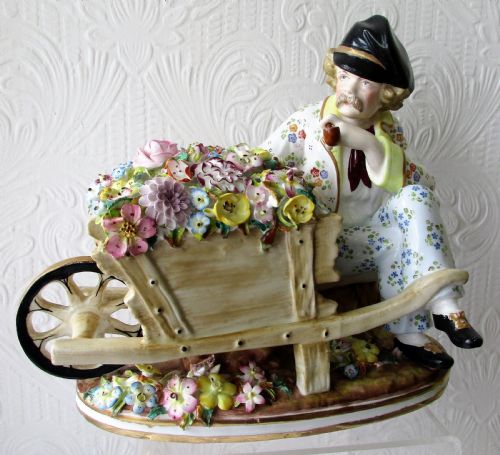
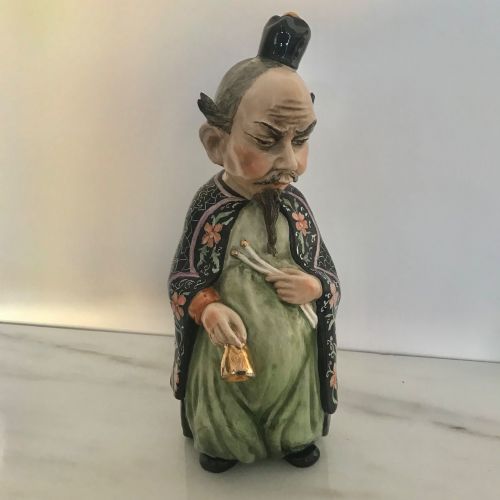
Hand painted porcelain sculpture brings together three centuries of figurative modelling, decorative glaze work and European and Asian kiln artistry.
Hand Painted Porcelain Sculpture
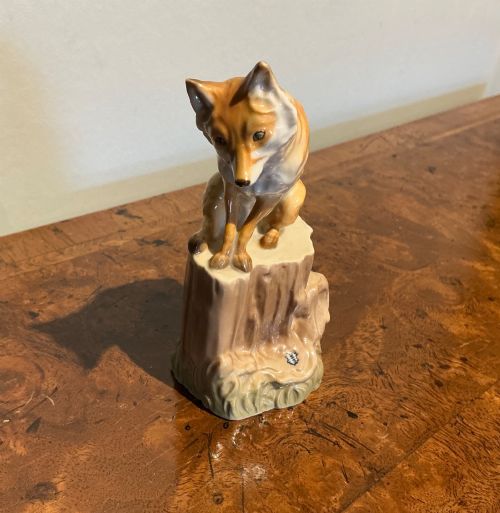
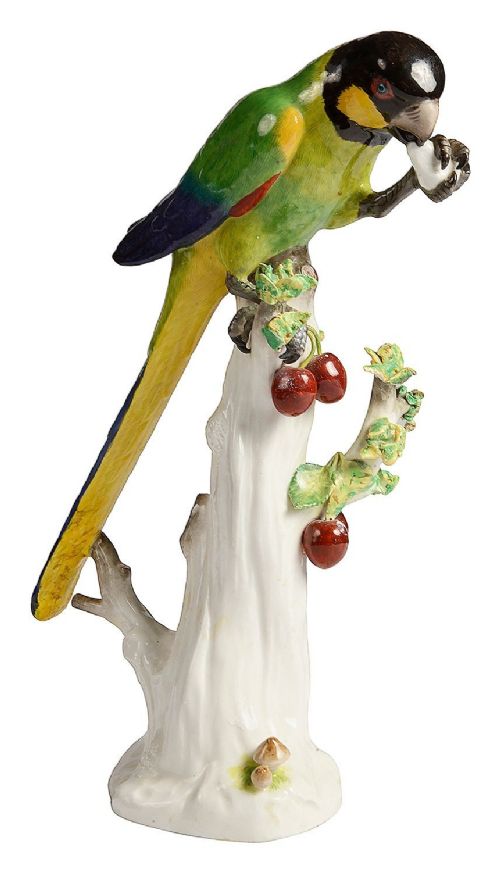
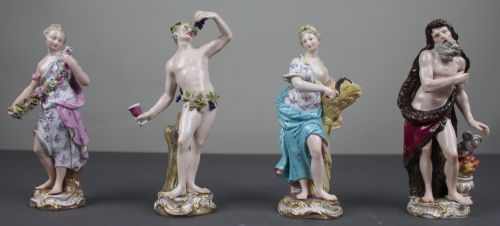
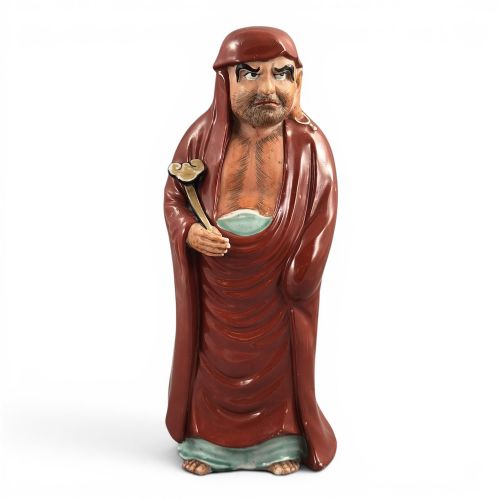
When you search for hand painted porcelain sculpture, you encounter figures, groups and centrepieces that range from eighteenth-century European allegorical subjects to Meissen animals, Derby pastoral scenes and Japanese Kutani deities.
The pieces on this page lean heavily toward nineteenth-century European factories and Meissen productions, alongside eighteenth-century Georgian figures and Japanese Meiji period okimono and statues.
Forms vary from single animal studies and human figures to complex multi-figure groups like the Four Seasons or romantic pairs engaged in pastoral tasks.
Materials and methods
Makers utilised hard-paste porcelain and bisque porcelain bodies, shaped by casting or pressing into moulds before undergoing high-temperature kiln firing.
Surface detail relies on hand-applied enamel colours, glaze layers and occasional gold leaf or gilt highlights fixed during secondary low-temperature firings.
Early English and continental figures often incorporate bocage, a framework of applied foliage and flowers modelled separately and attached before glazing.
Materials appearing across the inventory include hard-paste porcelain, bisque, enamel, glaze and gold leaf highlights.
Distinctions in standard
Hand-painting quality separates mass workshop output from master works, judged by the delicacy of brushwork on costumes, naturalistic shading on plumage or fur, and the clean application of enamel and gilt.
Meissen·Derby·Volkstedt·Kutani·Nymphenburg·Royal Worcester·Carl Thieme·Samson
The Hand Painted Porcelain Sculpture Glossary
- Bisque Porcelain
- Unglazed porcelain fired to a matte, porous finish resembling marble. It became popular in the nineteenth century for detailed neoclassical and portrait figures.
- Bocage
- An open background of leaves, branches and flowers surrounding a figure. It is characteristic of eighteenth-century English and continental porcelain groups.
- Hard-Paste Porcelain
- A dense ceramic composition of kaolin and petuntse fired at high temperatures. It produces a ringing, durable body that resists scratching.
- Enamel
- Coloured vitreous glass powders applied to a fired porcelain surface. Subsequent low-temperature firing melts the enamel into the glaze.
- Okimono
- A Japanese decorative figurine designed for display on a shelf or in a tokonoma alcove. These sculptures often depict deities, immortals or figures from daily life.
Hand Painted Porcelain Sculpture: Frequently Asked Questions
How do I clean antique porcelain sculptures?
Dust figures gently with a soft, dry brush to prevent the accumulation of dirt in crevices and around delicate applied elements like bocage.
Avoid using water, chemical cleaners or abrasive cloths, as these can damage fragile enamel work or aged gilt highlights.
How can I tell eighteenth-century figures from later copies?
Examine the unglazed footrim for wear patterns, firing stilt marks and the texture of the porcelain body under magnification.
Eigteenth-century pieces often exhibit softer glaze pooling and hand-mixed enamel palettes that differ from nineteenth-century revival or Samson reproductions.
What does bocage mean on a figure?
Bocage refers to the leafy tree background constructed around pastoral or mythological figures to create a sense of a natural setting.
Because these delicate foliage elements are prone to chipping during firing or handling, their preservation significantly affects the integrity of the piece.
Are bisque figures different from glazed porcelain?
Bisque porcelain is left completely unglazed after firing, resulting in a matte, tactile surface that highlights sculptural form and minute anatomical detail.
Glazed porcelain receives a glassy coating that seals the body and creates a shiny reflective surface suited to bright enamel colours.