



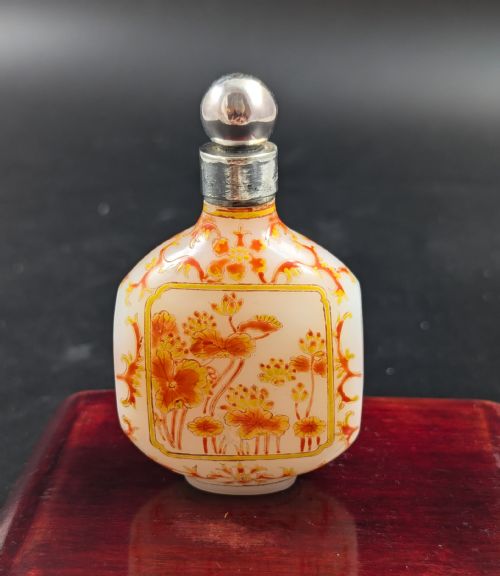
Hand Painted Perfume Bottle
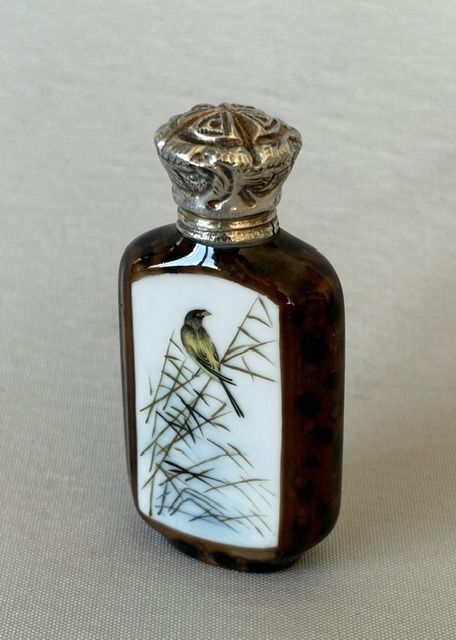
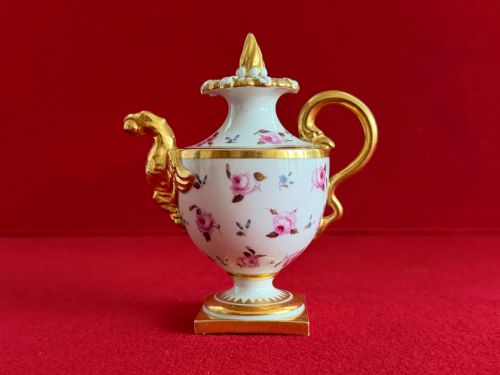
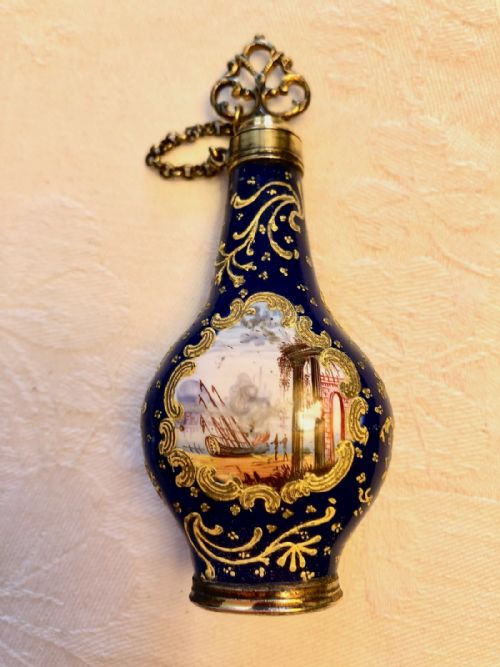
These hand painted perfume bottle examples bring miniature artistry to dressing tables, offering vibrant enamel scenes and delicate porcelain forms.
Hand Painted Perfume Bottle
When you search for a hand painted perfume bottle, you encounter a fascinating mix of European vanity items and Chinese portable containers designed for personal fragrance or snuff. The pieces seen here span from the Georgian and Regency periods through the nineteenth century, including the Victorian era and the Qing Dynasty.
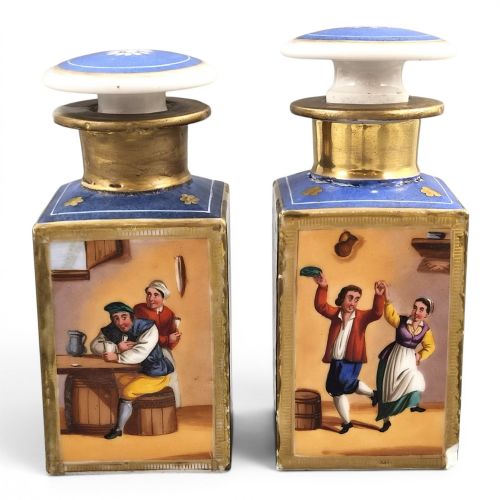
You are most likely to meet porcelain and enamel forms, ranging from scent bottles and ewers to figural snuff bottles and rose water sprinklers. Makers such as Flight, Barr and Barr, Jacob Petit, and Minton appear alongside unmarked Chinese export wares featuring Famille Rose palettes.
Materials and construction
Makers shaped these objects from hard-paste porcelain, white glass, enamel, and jade, frequently mounting them in silver or embellishing them with gold leaf. Ceramic bodies received detailed polychrome painting by hand, often depicting figural scenes, botanical motifs, or narrative subjects like the Teniers scenes on French porcelain.
Enamel work required fusing powdered glass to metal substrates under intense heat before artists applied fine brushwork. Porcelain pieces combined skilled throwers or mould makers with specialist ceramic painters who fired multiple times to set complex enamel colours.
Hand Painted Perfume Bottle Retail Price Guide 2026
Typical asking prices for hand painted perfume bottle among the pieces listed under this phrase on Sellingantiques today, from the lower quarter to the upper quarter. They describe what is for sale here now, not the wider market.
The listings span the Georgian, Regency, and Victorian periods alongside the Qing Dynasty, incorporating materials from jade and white metal to porcelain and enamel.
Evaluating craftsmanship and detail
Mounts and hardware also indicate standard, with heavy silver work and intact gold leaf elevating a piece. Well-preserved enamel surfaces without extensive restoration reflect better care and superior initial firing stability.
Flight, Barr and Barr·Jacob Petit·Minton
The Hand Painted Perfume Bottle Glossary
- Famille Rose
- A major palette of Chinese ceramic glazes introduced in the Qing Dynasty, dominated by opaque pink enamel. It allowed for nuanced shading and detailed pictorial representation.
- Hard-Paste Porcelain
- A true ceramic paste made from kaolin and petuntse fired at high temperatures. It produces a dense, vitrified body that resists scratching.
- Ewer
- A pitcher or jug with a spouted lip designed for holding water or rose water. In vanity sets, it often accompanied a matching basin or served as a decorative scent vessel.
- Rose Water Sprinkler
- A narrow-necked vessel used for sprinkling scented water in domestic settings. These pieces often feature spherical bodies and elongated necks for controlled pouring.
Hand Painted Perfume Bottle: Frequently Asked Questions
What is a scent bottle?
A scent bottle is a small, sealed container designed to hold liquid perfume or aromatic oils for personal use.
Historically carried in pockets or displayed on dressing tables, these vessels prevented delicate fragrances from evaporating.
How were snuff bottles used?
Snuff bottles held powdered tobacco consumed by inhaling through the nose, a widespread fashion across various global courts.
Users extracted small amounts using a tiny spoon attached to the stopper, making these portable objects both functional and tactile.
How do I date an enamel bottle?
Dating enamel work relies on examining the metal base, the composition of the enamel, and the style of the painted decoration.
Georgian and nineteenth-century pieces exhibit distinct colour palettes and mounting techniques that separate them from later reproductions.
Where should I display these bottles?
Display these delicate items in enclosed cabinets away from direct sunlight to protect fragile enamel colours and gold leaf.
Keeping them on stable surfaces prevents accidental tipping, as many narrow-based scent bottles and ewers have a high centre of gravity.