


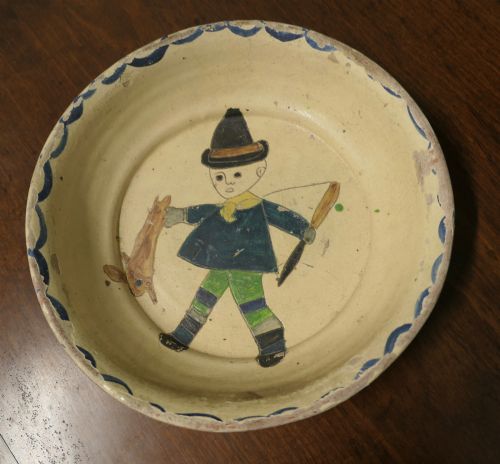
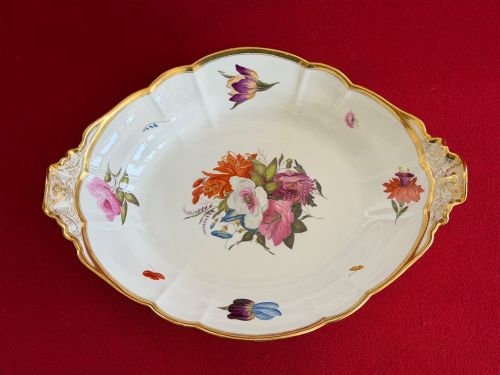
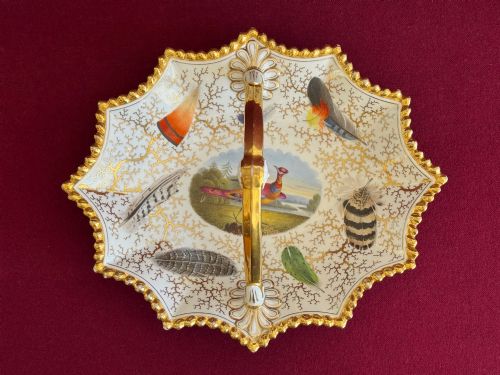
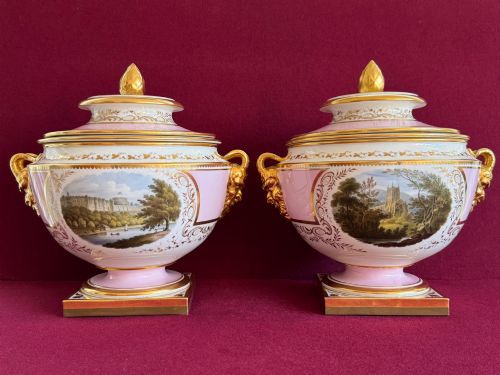
Hand Painted Fruit Ceramics
Hand painted fruit ceramics combine meticulous botanical artistry with refined ceramic forms, bringing vibrant depictions of orchard produce into domestic display.
Hand Painted Fruit Ceramics
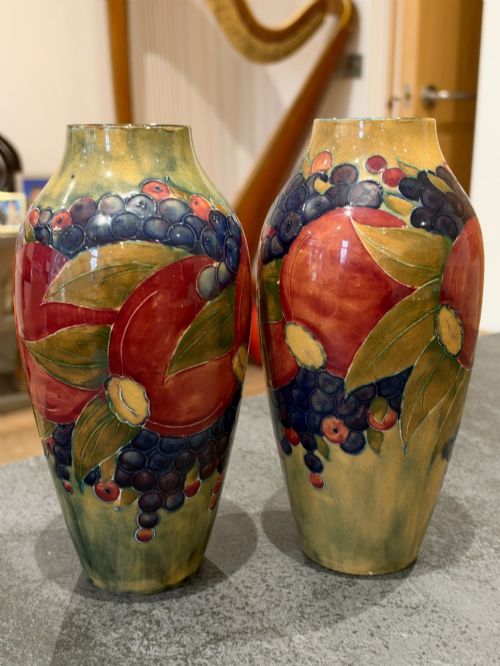
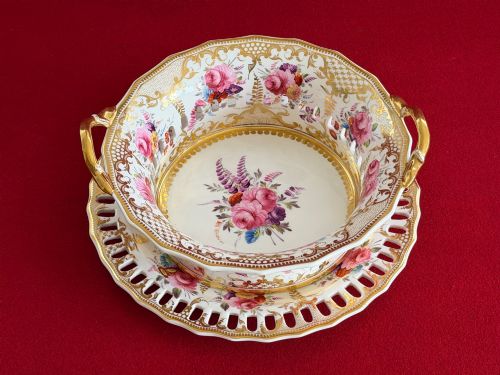
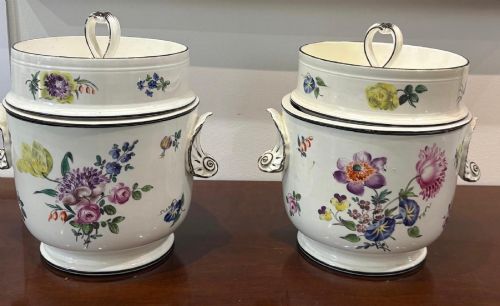
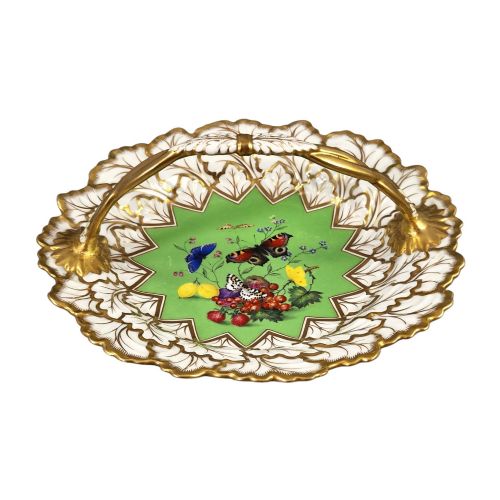
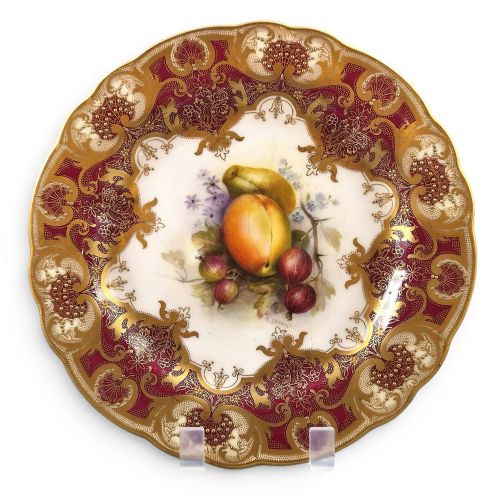
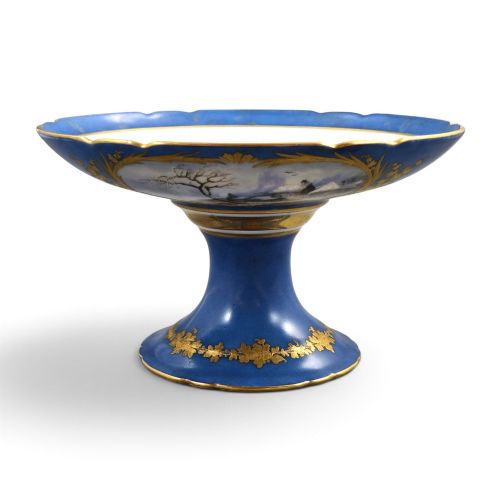
Hand painted fruit ceramics encompass a diverse array of decorative vessels, cabinet plates, and centrepieces produced across multiple centuries. These items serve primarily as visual showpieces rather than utilitarian kitchenware, frequently occupying pride of place in dining rooms and drawing rooms.
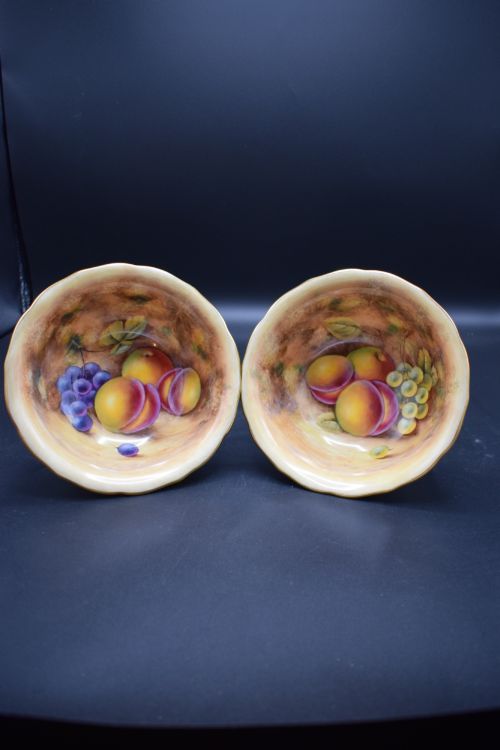
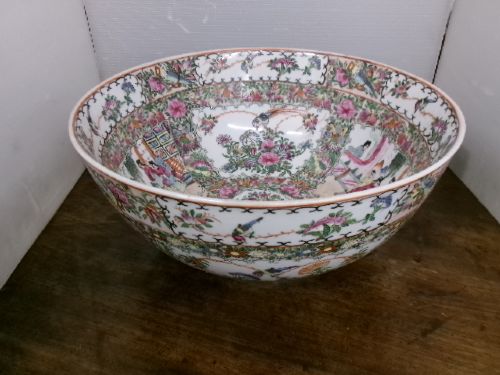
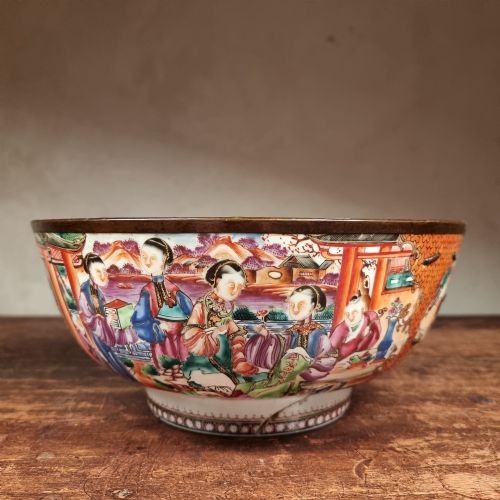
The selection on this page is dominated by porcelain and earthenware items originating from English factories like Royal Worcester, alongside continental porcelain and traditional Japanese Imari wares. Cabinet plates and decorative bowls form the core of the available pieces.
The historical span stretches from the eighteenth century through the nineteenth and twentieth centuries, capturing evolving decorative tastes from Regency elegance to Edwardian opulence and mid-twentieth-century studio output.
How they were made
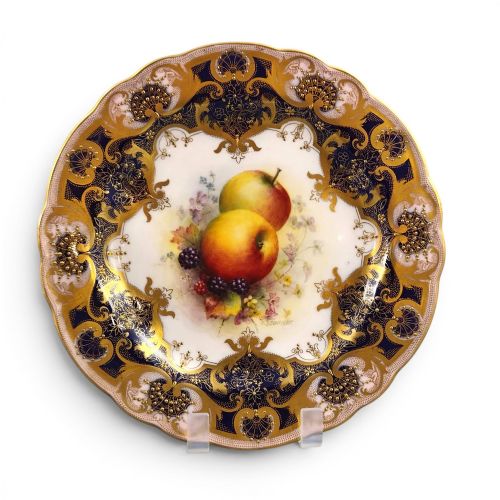
Artisans applied polychrome enamels and metallic pigments directly onto fired porcelain, bone china, or ironstone bodies, often utilising gold leaf and gilding to accentuate borders and handles.
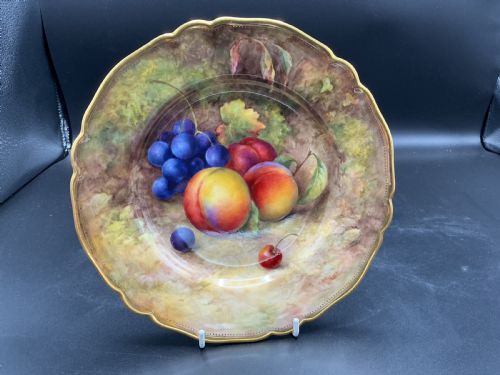
Specialist painters spent years mastering botanical illustration, rendering pears, peaches, and grapes with meticulous brushwork before subjecting the pieces to a final kiln firing to permanently fix the colours.
Hand Painted Fruit Ceramics Retail Price Guide 2026
Typical asking prices for hand painted fruit ceramics among the pieces listed under this phrase on Sellingantiques today, from the lower quarter to the upper quarter. They describe what is for sale here now, not the wider market.
Painters at historic porcelain works famously kept bowls of real orchard fruit nearby to study how light catches a ripe peach.
What varies in quality
The distinction between standard domestic production and superior studio output lies chiefly in the precision and naturalism of the brushwork. Master painters working at prominent potteries achieved a depth of shadow and translucent skin texture on fruit subjects that lesser decorators could not replicate.
The weight of the porcelain body, the crispness of moulded details on baskets and tazzas, and the richness of the gilding further separate routine workshop pieces from exceptional cabinet items.
Flight Barr And Barr·Royal Worcester·Meissen·Copeland
The Hand Painted Fruit Ceramics Glossary
- Cabinet plate
- A decorative ceramic plate intended purely for display in a cabinet or on a wall rather than for dining use. These often feature elaborate hand painted scenes.
- Tazza
- An ornamental shallow bowl or cup mounted on a slender foot and stem. It functions typically as a centrepiece on a dining table or sideboard.
- Imari
- A traditional style of Japanese porcelain featuring a distinct palette of underglaze blue, iron red, and gilt. The aesthetic heavily influenced European ceramic manufacturers.
- Comport
- A large footed dish or bowl used for serving fruit or sweets. In antique contexts, it frequently forms part of a larger dining service.
- Polychrome
- Decorated in multiple colours. This technique allows for realistic and vibrant depictions of natural subjects like fruit and foliage.
Hand Painted Fruit Ceramics: Frequently Asked Questions
How should I display hand painted fruit ceramics?
These decorative pieces suit wooden cabinets, sideboards, or wall brackets where adequate lighting highlights the painted surface details. Position them away from direct sunlight to preserve the vibrancy of the enamel colours.
Ensure that plates utilise stable display stands and heavier bowls rest on secure, level surfaces to prevent accidental damage during everyday movement.
Were these ceramic pieces used for serving food?
Most items created with detailed fruit motifs functioned primarily as decorative cabinet plates, tazzas, or centrepieces for visual enjoyment. Their delicate gilded borders and specialist enamel work meant they remained preserved for formal display.
Earlier utilitarian wares might show minor wear from historical service, but nineteenth and twentieth-century cabinet pieces were generally acquired specifically for aesthetic appreciation.
How do I identify the period of a ceramic bowl?
Examine the base of the vessel for factory marks, impressed stamps, or handwritten painter signatures that correspond to known operational dates. Stylistic clues such as paste composition, glaze texture, and border designs also offer reliable chronological indicators.
Comparing the manufacturing traits against documented factory output helps narrow down the production decade with reasonable accuracy.
Why are some fruit plates signed by artists?
Prominent factories employed specialist botanical painters who achieved individual renown for their realistic depictions of orchard produce. Signing a piece denoted a higher tier of craftsmanship and artistic authorship.
Collectors frequently seek out pieces bearing the signatures of celebrated decorators because these items represent the peak of a manufactory's artistic output.