
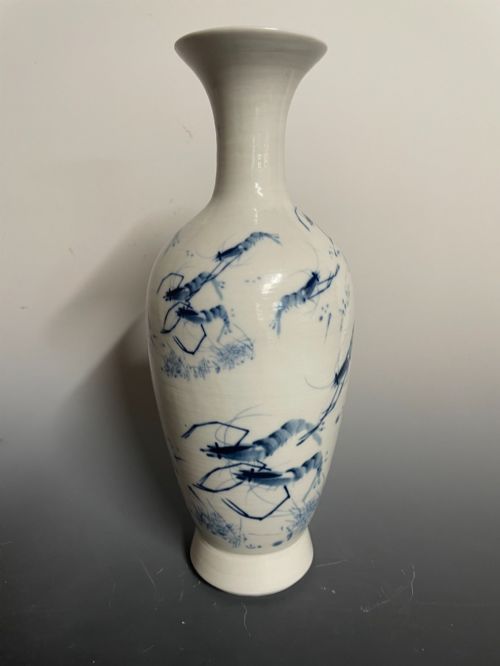
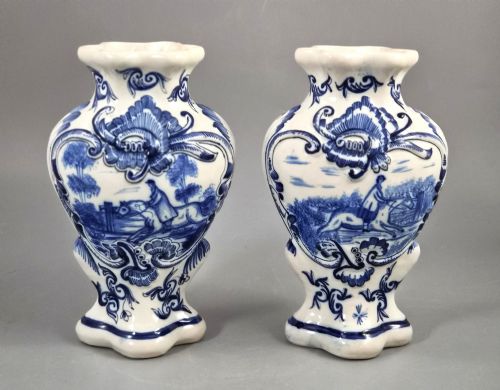
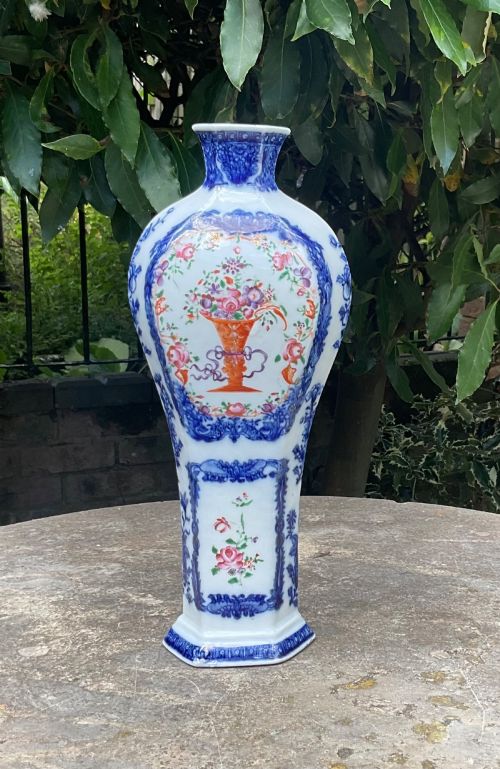
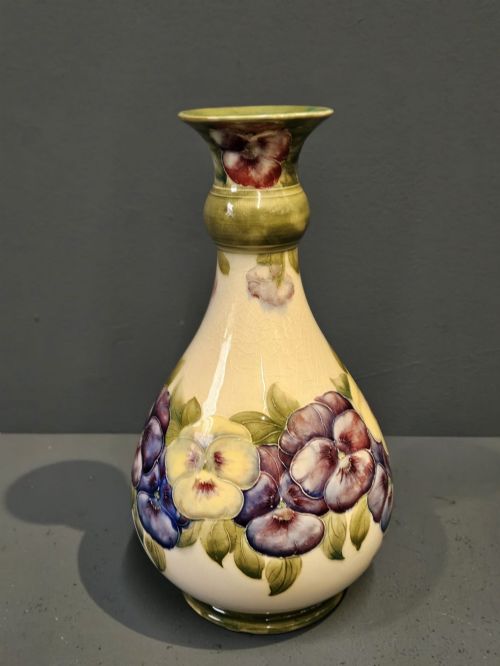
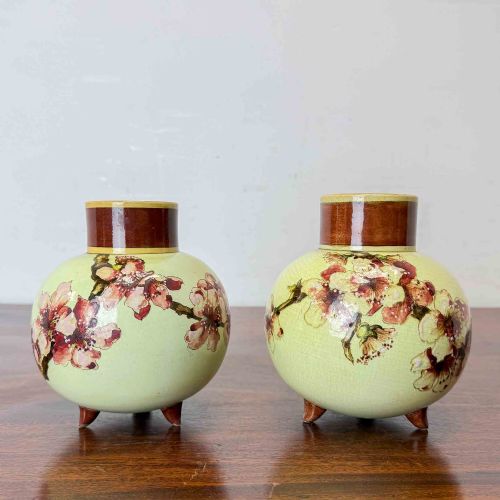
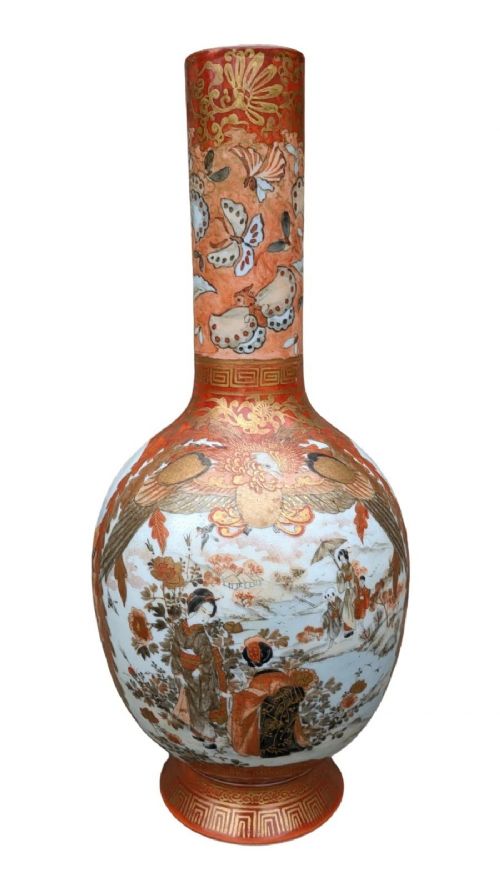
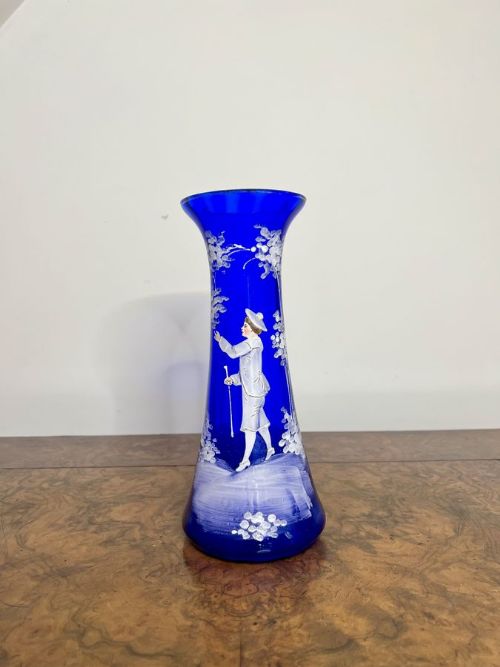
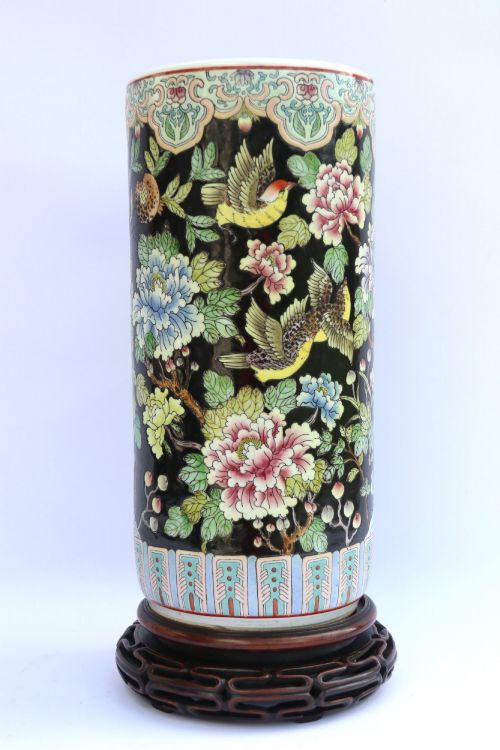


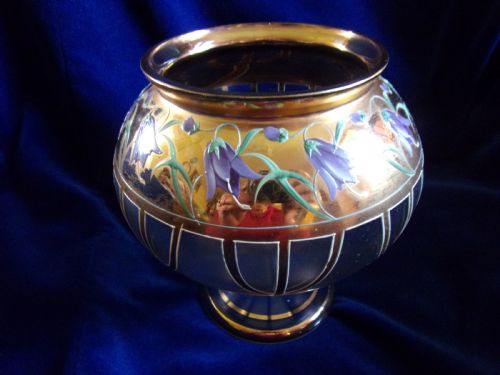

Hand Painted Flower Vases
Hand painted flower vases bring vibrant botanical colour and traditional craftsmanship into a room.
Hand Painted Flower Vases
Hand painted flower vases encompass decorative vessels created across the nineteenth and twentieth centuries in porcelain, earthenware, and glass. Collectors searching this phrase encounter forms ranging from simple spill vases and bulb vessels to grand pairs and garnitures.
The pieces originate from major European factories, English potteries, and Asian export markets, reflecting diverse periods including the Victorian era, Art Nouveau, and the Regency period. Styles span from French Rococo Revival and Chinese export to crisp Edwardian and Art Deco designs.
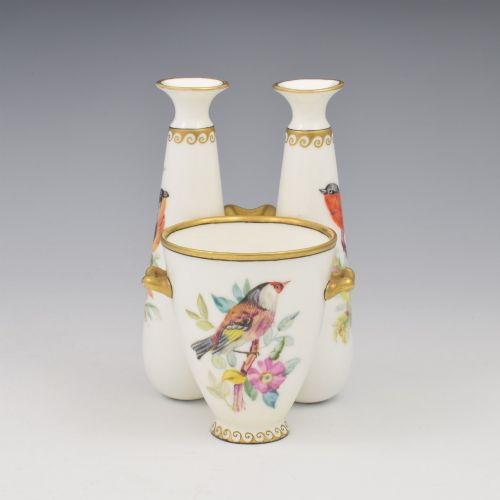
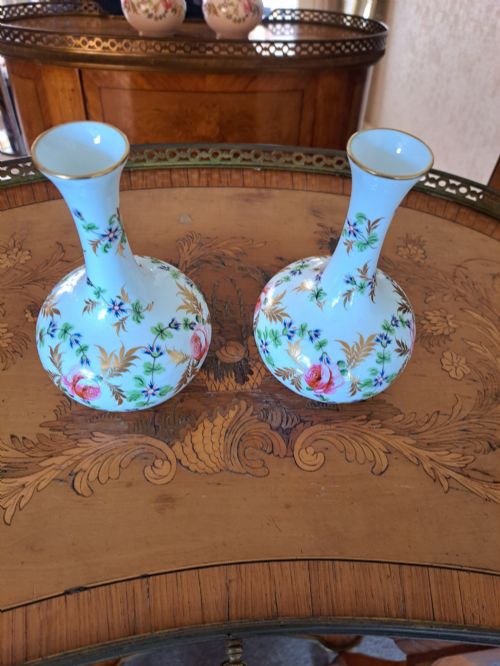
Vessels designed to hold cut blooms or bough pots frequently feature floral motifs, birds, and landscapes executed by hand over glaze or enamel. These diverse origins provide a rich selection for interiors seeking historic character and painted detail.
How they were made
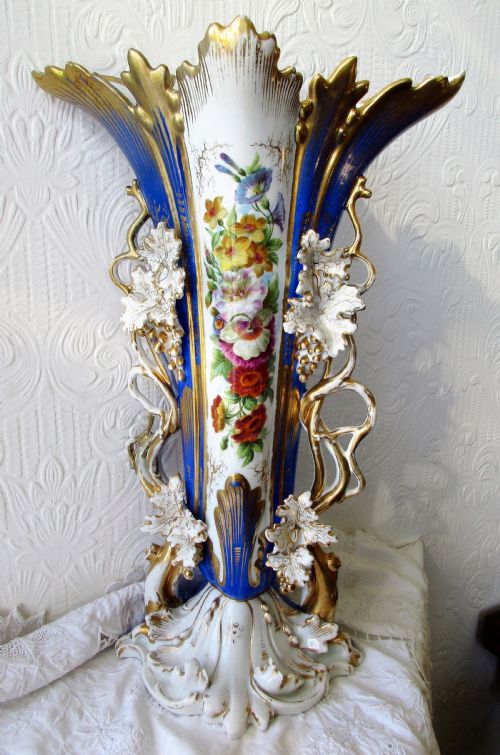
Potters shaped ceramic bodies from porcelain, earthenware, and majolica before applying base glazes and hand-painted pigments. Artisans utilised enamel, raised white enamel, and gold leaf or gilding to add dimension and metallic lustre to the botanical designs.
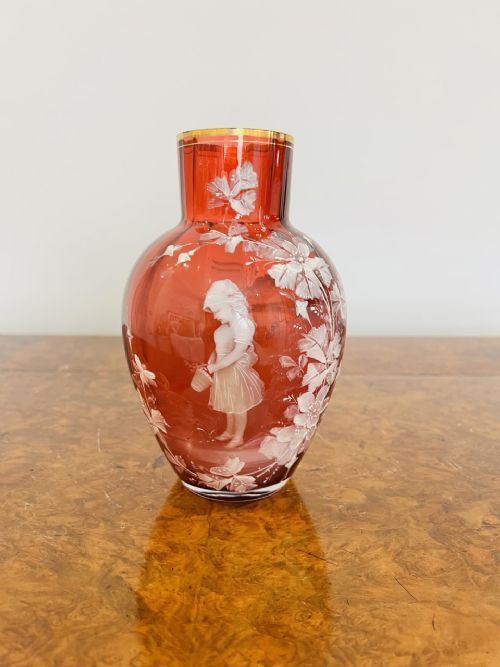
Glassmakers blew pieces in cranberry, blue, opaline, and clear glass before applying delicate enamel decoration by hand. Firing techniques fixed these pigments and precious metals to the surface, creating durable finishes on both ceramic and glass substrates.
Listings feature porcelain, earthenware, and glass vessels decorated with hand-painted flora across the 19th Century and 20th Century.
What varies in quality
The precision and detail of the hand-painted brushwork distinguish standard items from exceptional examples. Skilled artists rendered floral subjects, birds, and highland cattle with fine shading and anatomical accuracy.
The application of secondary materials such as gold leaf, heavy gilding, and raised enamel alters the visual depth of a vessel. Well-preserved gilding and crisp enamel work indicate careful firing and superior original manufacture.
Fourmaintraux-Courquin·Moorcroft McIntyre·Royal Worcester·John Hopewell·Crown Derby·Doulton Lambeth·Flight Barr and Barr·Samson Paris·Doulton Burslem·Charlotte Rhead·Royal Doulton·R Allen·Jacob Petit·Meissen·Cantagalli·Poole Pottery
The Hand Painted Flower Vases Glossary
- Garniture
- A set of three or more matching vases or vessels designed to be displayed together on a mantelpiece or sideboard. Such sets were popular in period interiors for creating balanced decorative displays.
- Bough pot
- A specialised vessel featuring a pierced cover designed to hold cut branches and stems of flowers. These items often showcase hand-painted botanical scenes across earthenware or porcelain bodies.
- Enamel
- Vitrified glass paste applied to metal, ceramic, or glass surfaces as decoration and melted in a kiln. Enamel provides durable colour and can be applied flat or in raised dots.
- Spill vase
- A tall, narrow tubular vessel used to hold wooden spills for lighting fires. They evolved into decorative mantel ornaments painted with floral motifs.
- Opaline glass
- An opaque or semi-translucent pale glass popular during the nineteenth century. It provided a smooth pastel background for delicate hand-painted enamel flowers.
Hand Painted Flower Vases: Frequently Asked Questions
Are these vases safe for water?
Most ceramic and glass vessels hold water safely for fresh flowers. Earthenware and porous bodies from earlier centuries require cautious handling.
Check for internal glazing cracks before filling any antique vessel to prevent leakage.
How do I date a painted vase?
Examine factory marks, painted signatures, and base styles to determine the era of manufacture. Stylistic clues such as Art Nouveau curves or Victorian colour palettes help narrow the date.
Compare the glaze type and decorative technique with documented examples from the same pottery.
What is a garniture set?
A garniture is a matching group of three vases intended for symmetrical display on a shelf or mantel. These sets create a cohesive decorative arrangement across a room.
Individual pieces within a garniture sometimes vary slightly in scale while sharing identical painted motifs.