
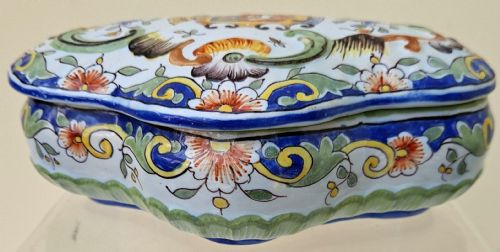


Hand Painted Floral Box
A hand painted floral box brings painted botanical detail to small storage, offering portable colour from centuries past.
Hand Painted Floral Box
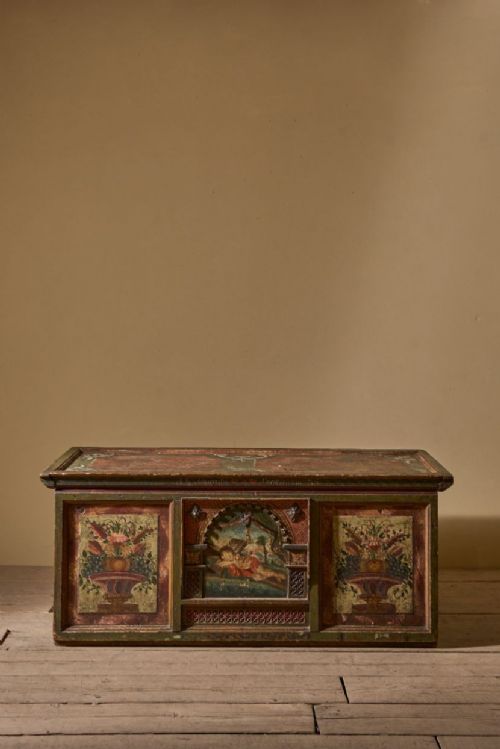
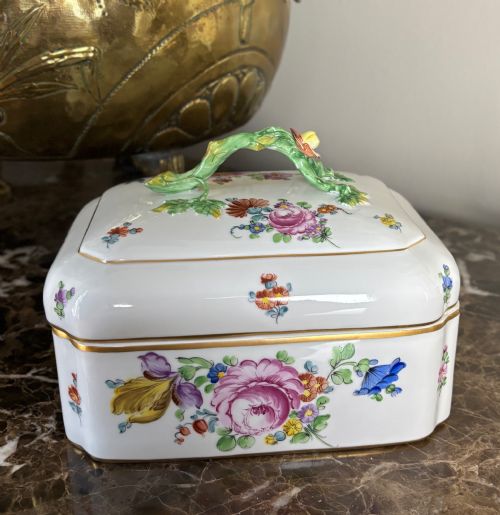
A hand painted floral box spans small personal containers and large storage vessels, taking forms such as trinket boxes, marriage chests, tea caddies, and patch boxes. Buyers searching this phrase encounter diverse objects intended for keepsakes, letters, or dry goods.
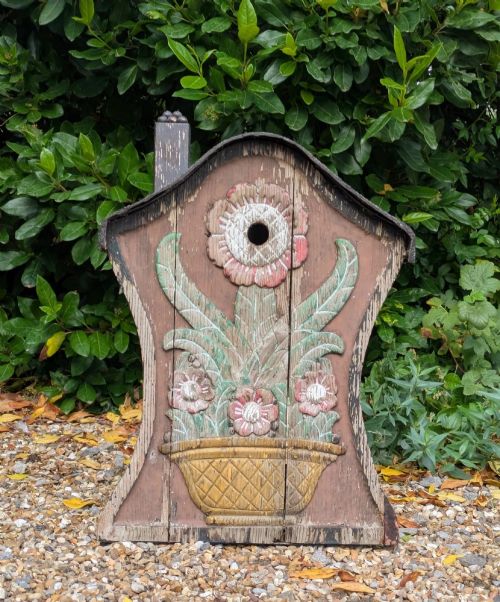
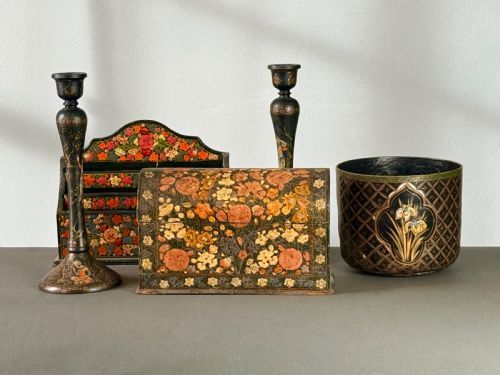
Nineteenth century pieces dominate the selection, often bearing folk art traditions from Sweden, Kashmiri regions, or English workshops. Alongside these country pieces sit refined porcelain vessels and lacquered containers from Georgian and Victorian periods.
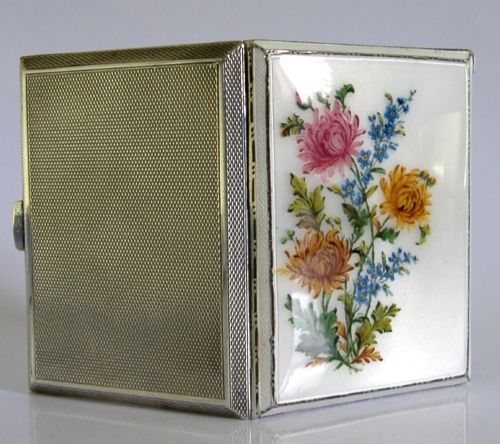
Origins stretch across Europe and beyond, including French porcelain, German ceramics, and Persian lacquer work. Domestic boxes in pine and leather appear alongside delicate enamel and silver items.
How they were made
Construction relies on traditional joinery using timber such as pine and oak, or moulded forms in porcelain, glass, papier-mâché, and metal. Artisans applied pigments directly to prepared surfaces, often sealing the painted decoration with clear varnishes or lacquer.
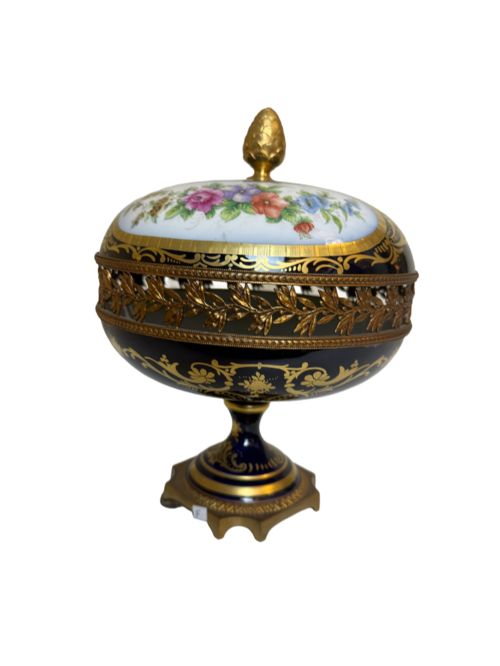
Metal mounts in brass, silver, and ormolu provide structural framing and hinges for enamel and ceramic lids. Surface decoration combines hand-applied floral pigments with gilding, leather tooling, or inlay work.
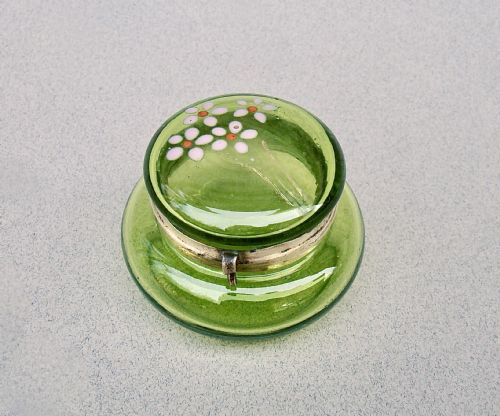
Materials span organic and manufactured substances, including pine, iron, brass, lacquer, enamel, wood, and paint.
What varies in quality
Quality rests upon the execution of the painted flora and the preservation of the original surface pigment. Finer examples display precise brushwork and nuanced colour mixing that survive without heavy overpainting.
Materials dictate durability and refinement, separating simple pine folk boxes from luxury porcelain caskets with metalwork mounts. The integrity of the ground - whether lacquer, enamel, or polished wood - shapes the overall character.
Dresden·Limoges·Bilston·Sevres·Ridgway·Meissen
The Hand Painted Floral Box Glossary
- Patch box
- A small decorative container used in the eighteenth century for storing small cosmetic face patches. These enamel or metal items frequently featured detailed floral lids.
- Cassone
- A traditional Italian chest or marriage chest used for storing household linens. They often display painted and gilded decoration.
- Sucrier
- A small vessel designed for holding sugar, common in ceramic tea sets from the Georgian and Regency periods. They often include fitted lids.
- Toleware
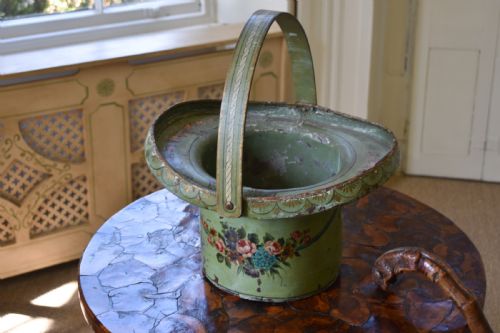
- Painted or lacquered sheet metal items produced in England and Europe. These practical objects received decorative coats of paint and floral motifs.
Hand Painted Floral Box: Frequently Asked Questions
What were small painted boxes used for?
Small containers held personal items like stamps, trinkets, cards, or cosmetic patches. They kept everyday items organised on dressing tables and desks.
Larger versions served as marriage chests, tea caddies, or storage trunks for household textiles and valuables.
How do I care for a painted wooden box?
Keep wooden and papier-mâché items away from direct sunlight and steady moisture to protect the delicate surface paint. Dust gently with a dry, soft cloth.
Avoid chemical polishes or modern cleaning sprays, which can lift historic pigments and varnishes.
How can I tell the period of a box?
Examine the construction methods, hinge types, and base materials beneath the surface. Hand-cut dovetails, older screws, and specific ceramic marks offer clues to the decade of manufacture.
Stylistic markers like Regency neoclassical lines or Victorian ebonised finishes help narrow down the date.
Are these boxes waterproof?
Most antique containers feature traditional lacquer, oil paint, or varnish finishes that resist light dust but are not waterproof. Liquid exposure can damage interior linings and cause wood to warp.
Containers made from glass or glazed porcelain handle dry contents best, while metal boxes require protection against rust.