



Hand Painted China Service
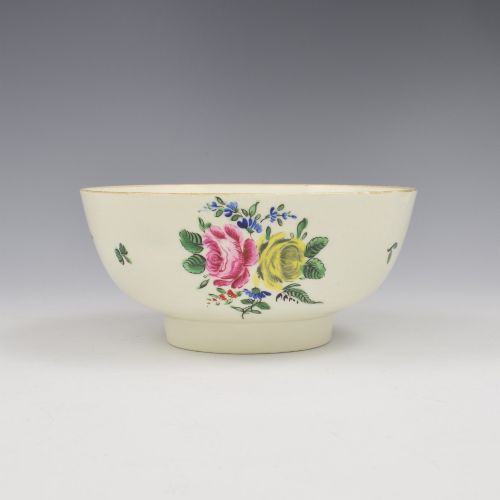
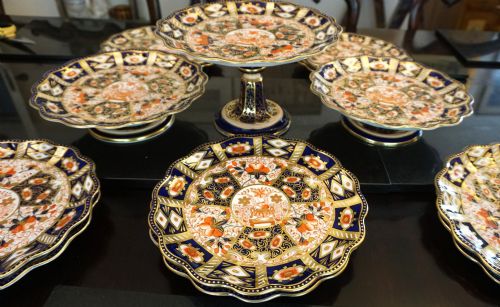
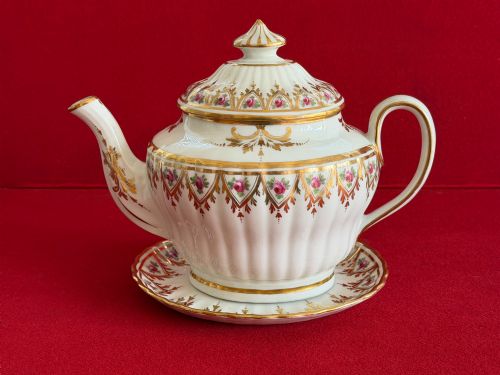
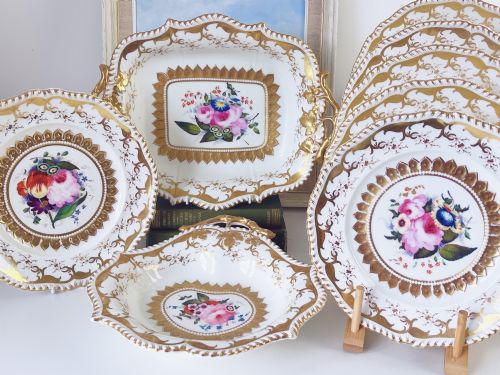
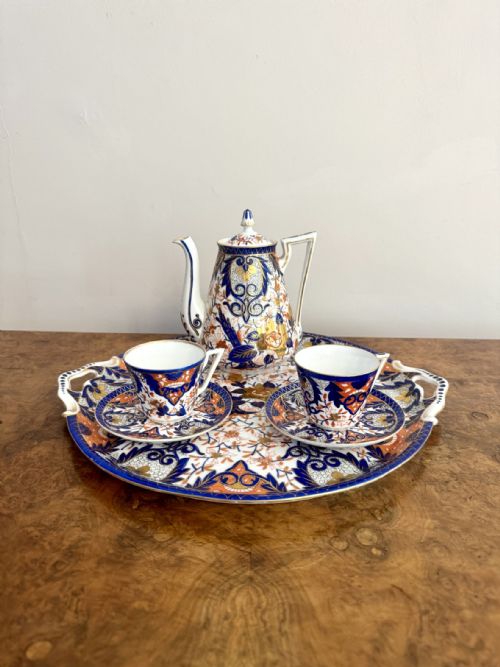
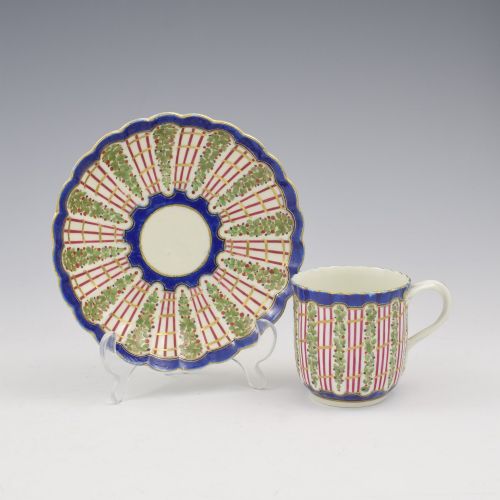
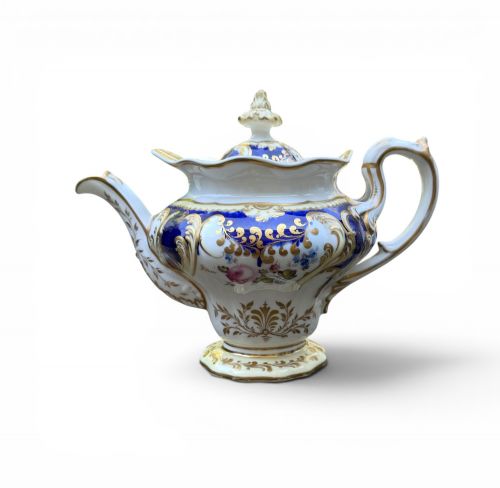
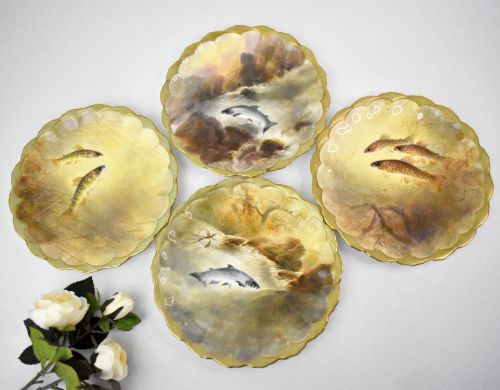
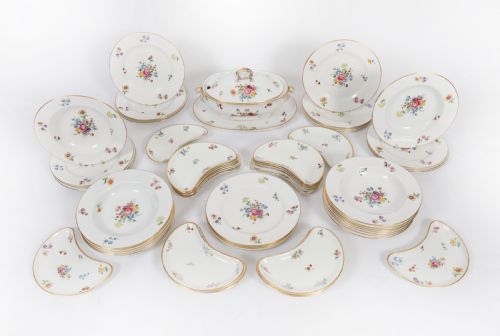
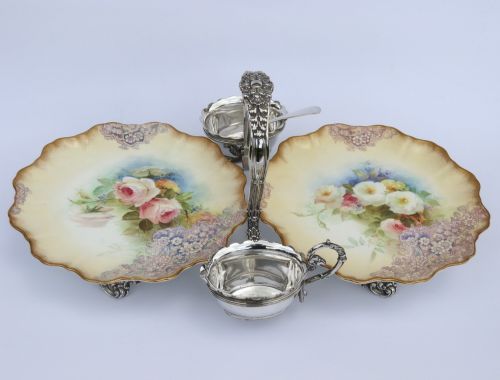
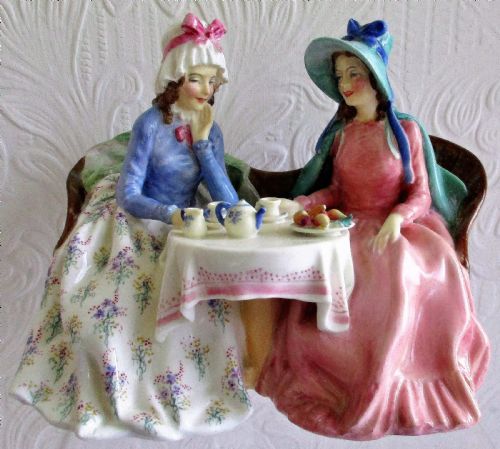
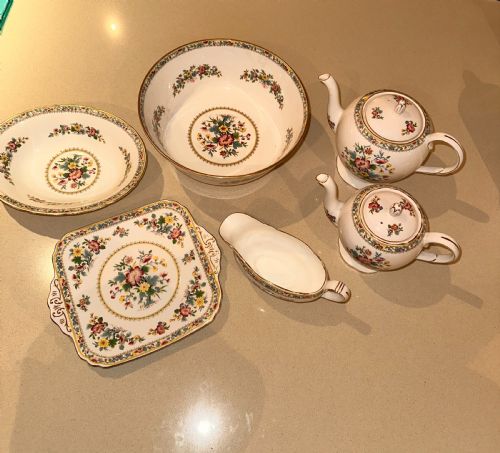
A hand painted china service brings together matching ceramic plates, cups or serving vessels adorned with individual brushwork.
Hand Painted China Service
When a buyer searches for a hand painted china service, they encounter coordinated sets of ceramic tableware created for dining, dessert or tea. These collections span dessert services, tea sets, coffee sets and dinner services originating across the eighteenth, nineteenth and twentieth centuries.
The pieces on this page appear in various configurations, from large multi-piece dinner services and breakfast sets down to smaller dessert plates, cabinet plates and tea sets. English factories dominate the selection, showing styles ranging from Georgian and Regency to Victorian and early twentieth century designs.
How they were made
Makers utilised fine porcelain, bone china, ceramic and ironstone as bodies, shaping them into plates, teapots, sucriers and sauceboats. Artisans then applied enamel pigments by hand, sometimes incorporating gold leaf, gilding and gilt highlights to enrich the decorated surfaces.
Techniques combined careful glazing and firing with intricate brushwork executed by named and anonymous painters. Decorators often employed botanical motifs, Imari patterns, hop trellises or Kakiemon designs before subjecting the pieces to final kiln firings.
Hand Painted China Service Retail Price Guide 2026
Typical asking prices for hand painted china service among the pieces listed under this phrase on Sellingantiques today, from the lower quarter to the upper quarter. They describe what is for sale here now, not the wider market.
Listings feature porcelain, bone china, ironstone and ceramic pieces decorated with enamel, gold leaf and gilding.
What varies in quality
The standard of a hand painted china service depends on the precision and artistry of the brushwork applied to the ceramic body. Skilled painters achieved botanical and figural detail that elevates certain cabinet plates and dessert services far above standard factory output.
Material selection and gilding execution also separate tiers of production, with finer bone china and heavier gold leaf application marking superior services. The completeness and original matching integrity of larger sets further define the standing of individual offerings.
New Hall Porcelain·Grainger Lee And Co·Royal Doulton·Spode·Walker And Hall·Royal Crown Derby·Rockingham Pottery·Coalport·Derby Porcelain·Minton·Müller Volkstedt MV Co·Hicks Meigh And Johnson·Clarice Cliff·Royal Worcester·Wedgewood
The Hand Painted China Service Glossary
- Bone china
- A type of soft-paste or hard-paste porcelain that incorporates bone ash into the ceramic mixture. This addition provides enhanced strength and a characteristic milky translucency.
- Gilding
- The application of gold leaf or gold powder onto the surface of porcelain. It serves to accent rims, handles and painted scenes.
- Imari
- A decorative style originating in Japan and adopted by European factories, featuring a palette primarily of iron red, cobalt blue and gold. Pieces in this manner often display intricate panel designs.
- Sucrier
- A small covered sugar bowl designed for use within a tea or coffee set. It typically matches the surrounding cups and saucers in pattern and material.
- Ironstone
- A heavy, durable type of earthenware patented in the nineteenth century. It bridges the gap between refined porcelain and utilitarian pottery.
Hand Painted China Service: Frequently Asked Questions
What is a dessert service used for?
A dessert service is designed for serving the final course of a formal meal, typically comprising specialised plates, comports and sometimes matching bowls. These sets allowed hosts to present fruit, sweet dishes or pastries on coordinated tableware.
Historically, these services formed part of grand dining traditions where the table was cleared and reset for the sweet course. Today, many collectors display the individual plates in cabinets or utilise them for small gatherings.
How do I identify a Georgian porcelain set?
Georgian porcelain sets date from the period spanning roughly the mid-eighteenth century to the eighteen-thirties. They often exhibit specific factory characteristics, such as the body composition and underglaze markings associated with early English makers.
Examining the foot rings, glaze pooling and handwritten pattern numbers can help pinpoint this era. Hand-painted details from this time tend to feature classic floral sprays, chinoiserie or early transfer-printed outlines with manual infill.
Can I use antique tea sets daily?
Using antique tea sets depends entirely on the durability of the specific porcelain and the presence of any fragile gilding or enamel work. Many nineteenth-century bone china sets remain robust enough for gentle occasional use.
Hand washing is essential to preserve delicate gold leaf and hand-painted pigments over time. Avoid exposing older ceramics to sudden temperature changes to prevent thermal shock in the glaze.
What distinguishes bone china from porcelain?
Bone china includes calcined bone ash within its paste mixture, whereas traditional porcelain relies purely on kaolin clay and petuntse. This distinction gives bone china a warmer, whiter appearance and greater chip resistance.
When held to a light, bone china generally displays a higher degree of translucency than standard continental hard-paste porcelain. Both materials accept hand-painted enamel decoration equally well.