



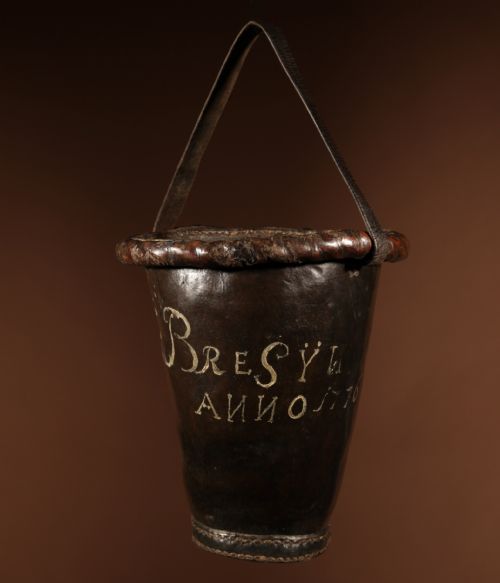


Hand Painted Bucket
A hand painted bucket brings functional utility and folk artistry together, offering durable vessels transformed by decorative brushwork.
Hand Painted Bucket
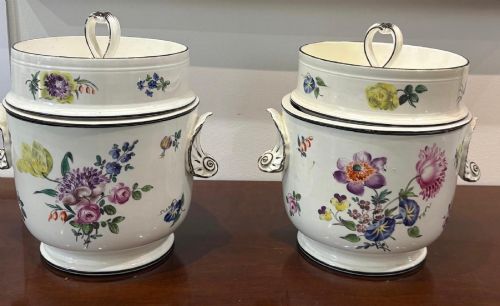
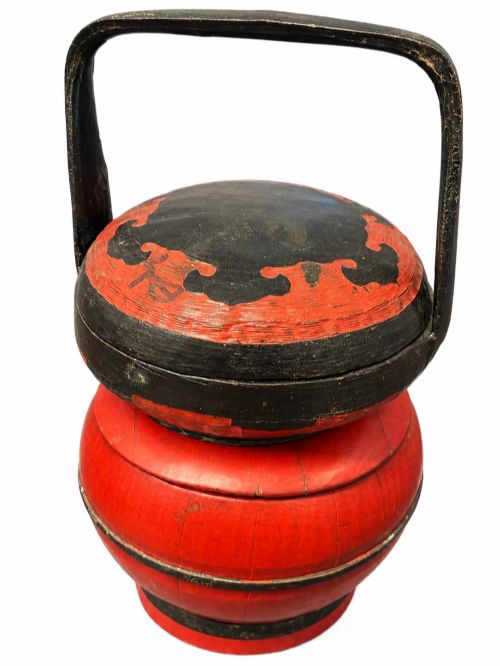
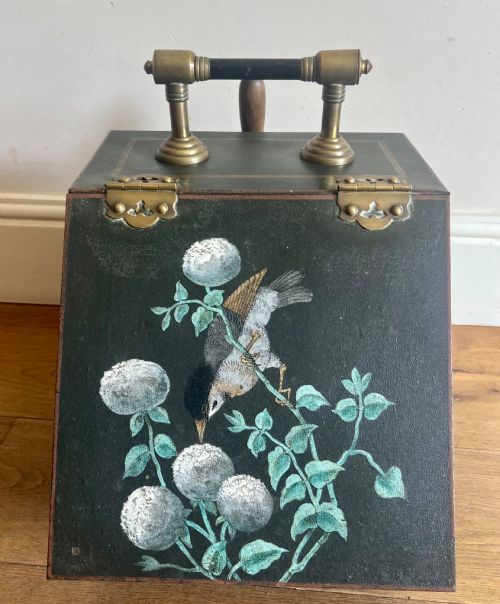
A hand painted bucket encompasses diverse functional vessels ranging from leather fire carriers and tinware coal scuttles to earthenware ice pails and lacquered rice baskets. These pieces bridge the gap between everyday domestic utility and traditional decorative arts.
The selection on this page draws primarily from the nineteenth and eighteenth centuries, reflecting styles such as Georgian, Regency, Victorian, and Chinese Vernacular. Buyers encounter everything from British creamware and Minton porcelain to French grape carriers and leather Dutch fire buckets.
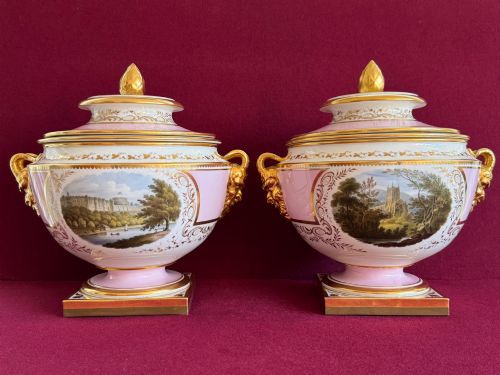
Forms vary from lidded wine coolers and log boxes to picnic carriers and decorative baskets. Each object demonstrates how utilitarian items were elevated through painted ornamentation, whether in the form of barge ware, japanned tin, or floral ceramic grounds.
Materials and construction methods
Makers utilised a diverse palette of materials including leather, sheet iron, wood, earthenware, and lacquer, shaping them into durable containers for ice, fuel, and provisions. Metalwork pieces rely on sheet iron and toleware, often finished with japanned decoration, while early containers utilise stitched leather or turned wood.
Surface decoration was applied by hand across ceramics, wood, and metal, utilising enamel, lacquer, and oil paints. Porcelain examples such as Worcester and Minton pieces feature fine ceramic painting over glazed grounds, whereas folk art and utility items display robust hand-brushed motifs.
Hand Painted Bucket Retail Price Guide 2026
Typical asking prices for hand painted bucket among the pieces listed under this phrase on Sellingantiques today, from the lower quarter to the upper quarter. They describe what is for sale here now, not the wider market.
Listings feature materials spanning leather, sheet iron, enamel, earthenware, and lacquer across the eighteenth and nineteenth centuries.
Assessing quality and execution
Quality rests upon the preservation of the original hand-painted surface and the integrity of the underlying material, whether leather, wood, or ceramic. Fine brushwork and detailed figurative or floral motifs distinguish superior decorative execution from simpler utilitarian painting.
The balance between original structure and decorative finish dictates the standing of each piece. Surviving hardware, such as brass handles on coal scuttles or original lids on ice pails, contributes significantly to the integrity of the object.
Flight Barr And Barr·Minton
The Hand Painted Bucket Glossary
- Toleware
- Painted or lacquered sheet metal ware, popular for domestic items like coal scuttles and trays. It involves building up layers of varnish over metal to create a durable, glossy surface.
- Creamware
- A fine earthenware developed in Yorkshire during the eighteenth century, noted for its pale straw colour. Creamware provided an ideal smooth ground for painted ceramic decoration.
- Japanned
- A European imitation of East Asian lacquerwork, created by applying successive coats of varnish and curing them. Pontypool and similar tinware often utilised this technique.
Hand Painted Bucket: Frequently Asked Questions
What were hand painted buckets actually used for?
These vessels served practical domestic and utilitarian roles, ranging from carrying coal and extinguishing fires to holding ice, wine, and food provisions. Their painted decoration allowed functional items to sit comfortably within refined domestic interiors.
Over time, many of these utilitarian containers transitioned from active service into decorative display pieces, prized for their folk art qualities and historical associations.
How do I date a hand painted bucket?
Dating relies on identifying the underlying material, construction methods, and stylistic markers of the period, such as Georgian silhouettes or Victorian ceramic bodies. Examining the wear patterns on leather, metal, or enamel helps establish the age of the object.
Makers' marks on ceramic ice pails or specific regional styles like Dutch leather fire buckets also provide precise chronological reference points.
Are these buckets waterproof?
Many surviving pieces were constructed from leather, metal, or glazed earthenware specifically to hold liquids or damp materials like ice and coal. However, age, shrinkage, and wear to interior linings often mean contemporary use requires caution.
Treating historical pieces as decorative objects rather than active utility vessels helps preserve their fragile painted surfaces and structural integrity.
How do I care for a painted surface?
Preservation requires gentle dusting with a soft, dry cloth and avoiding harsh chemical cleaners or abrasive materials that could lift the paint. Keeping pieces away from direct sunlight and excessive moisture prevents the lacquer, enamel, or oil paint from flaking.
Stable indoor humidity levels ensure that organic materials like leather and wood do not warp, protecting the delicate hand-painted artwork.