


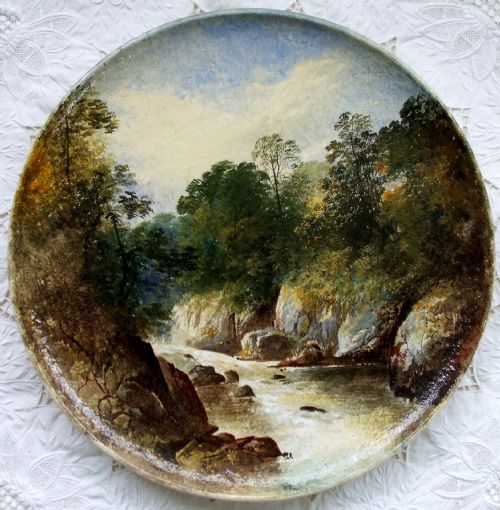

Hand Painted Art Pottery
Hand painted art pottery brings together the tactile weight of ceramics and the individual hand of the decorator, offering pieces that capture the visual shifts of the late nineteenth and early twentieth centuries.
Hand Painted Art Pottery
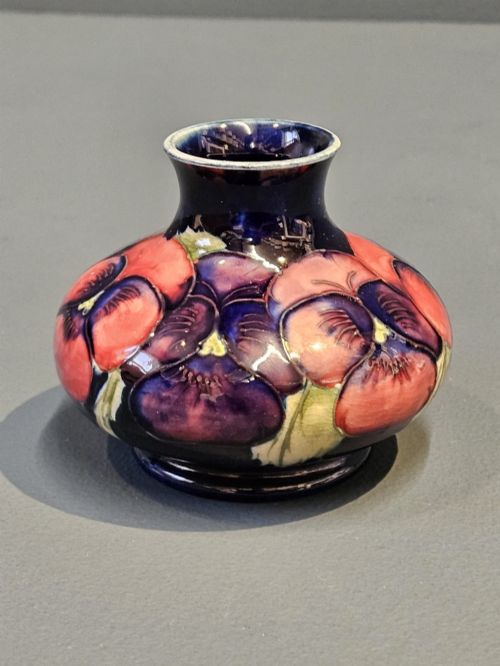
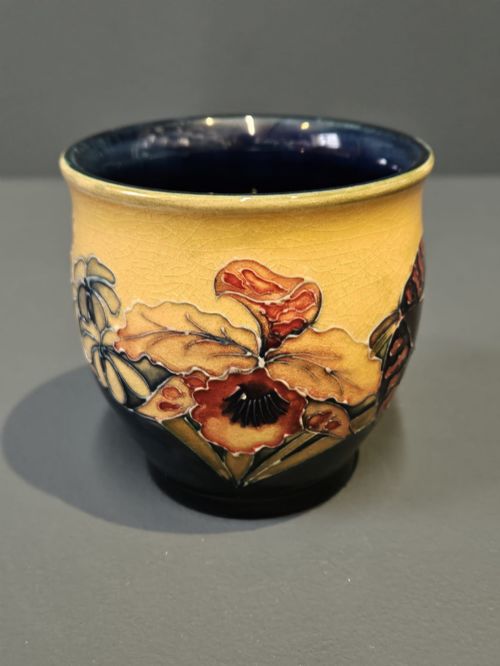
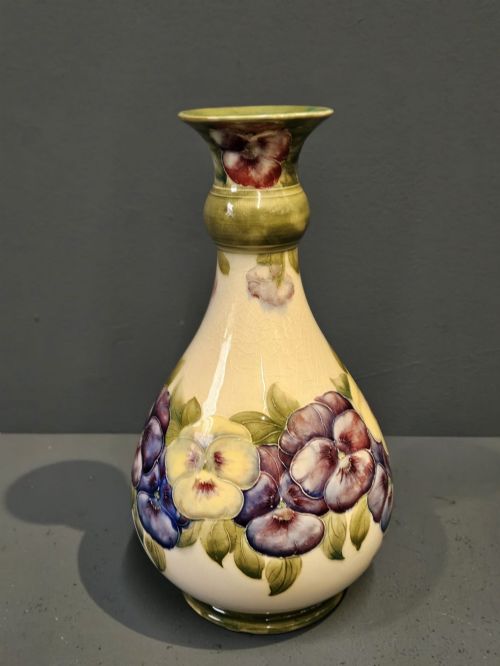
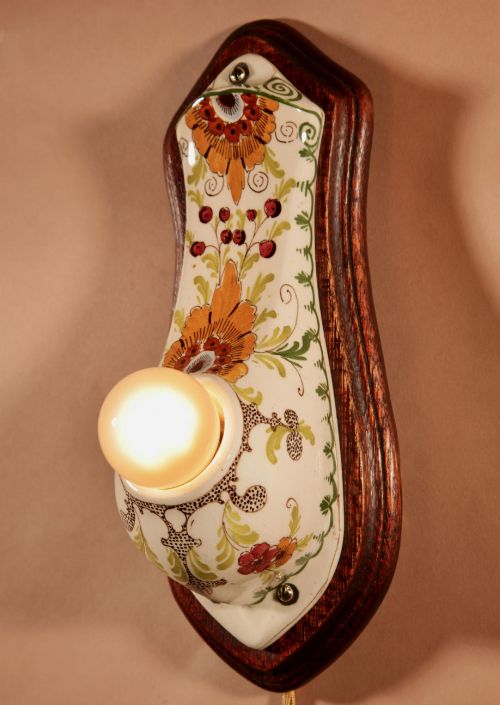
Hand painted art pottery encompasses decorative vessels, tableware, tiles, and sculptural figures produced across several decades from the late nineteenth century into the mid-twentieth century. When searching for hand painted art pottery, you will encounter diverse forms ranging from large chargers and bulbous vases to delicate tea sets and wall plaques.
The objects on this page originate from British potteries, continental European workshops, and Japanese kilns, spanning periods from the Victorian era through Art Nouveau and Art Deco. Earthenware, stoneware, and porcelain pieces appear frequently, decorated with botanical motifs, figurative scenes, or geometric patterns applied by named designers and studio potters.
Moorcroft, Doulton Lambeth, and Clarice Cliff represent some of the prominent names associated with this category, alongside continental manufactories like Quimper and Reissner, Stellmacher and Kessel. These pieces served primarily as decorative items for domestic interiors, reflecting the changing tastes of the Edwardian period and the interwar years.
How they were made
Makers utilised ceramic bodies such as earthenware, porcelain, and stoneware, shaped either by hand on the potter's wheel or cast in moulds. Artisans then applied pigments, enamels, and sometimes gold leaf before firing the pieces in kilns to fix the colour.
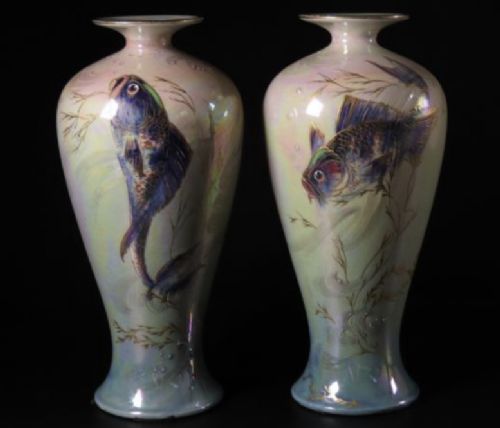
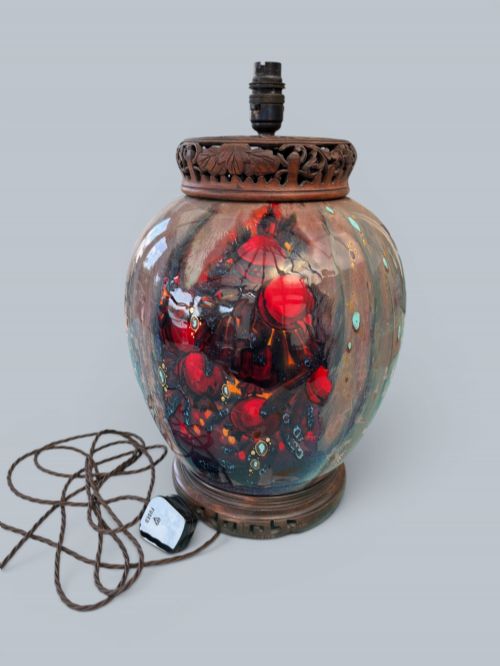
Techniques varied from slip-trailing and tubelining - where raised clay lines contained the pools of colour - to direct brushwork beneath or over the glaze. Lustre finishes required specific reduction firings to produce iridescent metallic sheens on the surface of the pottery.
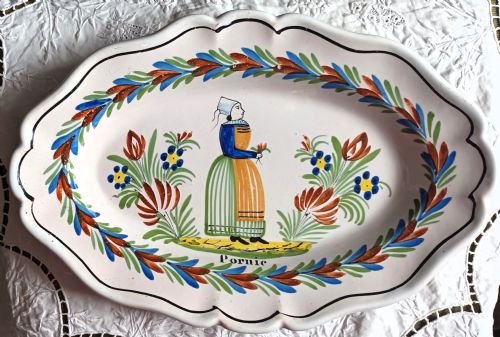
Faience and majolica methods involved painting colours directly onto an opaque tin glaze before the final firing, a process that fused the pigments into the white background. Studio potters and factory decorators executed these methods with varying degrees of complexity, from simple folk art brushwork to meticulous multi-layered enamel painting.
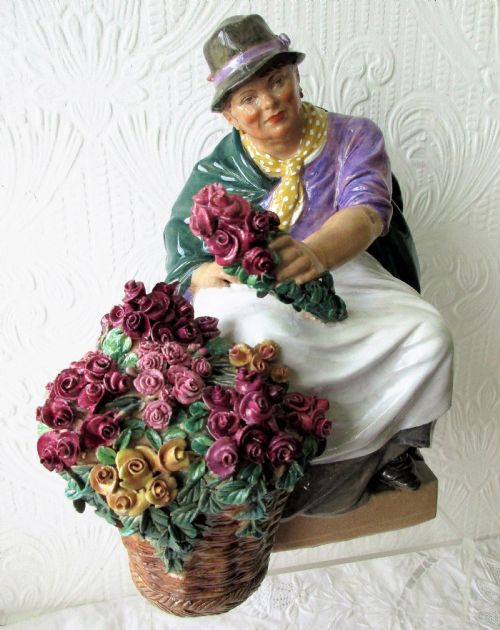
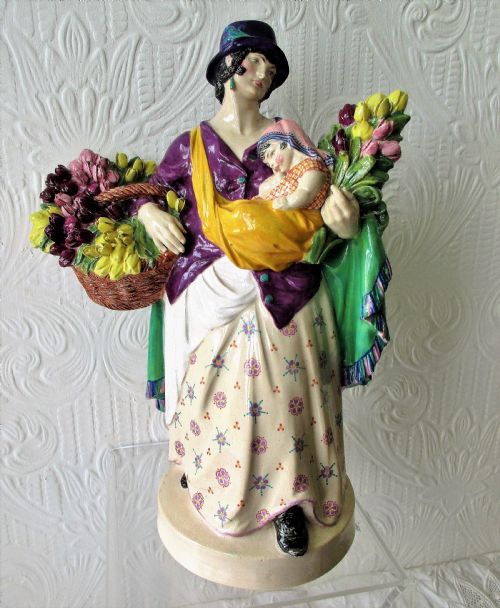
Certain studio pottery figures depict spirited women and unusual characters, bringing distinct human personality directly into the ceramic collection.
What varies in quality
Quality rests upon the confidence of the brushwork and the clarity of the design, distinguishing mass-produced commercial output from the work of skilled artists and major studios. Pieces painted by recognised designers or signed by individual decorators generally exhibit greater precision and artistic ambition.
The technical execution of the glaze and the success of the firing process also determine the standing of a piece. Controlled lustre effects, even enamel coverage, and well-defined tubelining separate superior examples from routine factory production.
Moorcroft·Doulton Lambeth·Clarice Cliff·Charles Vyse·Wemyss·Quimper·Kutani·Maling
The Hand Painted Art Pottery Glossary
- Faience
- Tin-glazed earthenware decorated with painted designs. This technique originated in the Middle East and spread through Europe, producing colourful plates, vases, and tiles.
- Majolica
- Pottery decorated with opaque coloured glazes on a buff earthenware body. The term often describes nineteenth-century British and European wares featuring naturalistic plant and animal forms.
- Tubelining
- A technique where liquid clay is squeezed through a nozzle onto the surface of a ceramic piece to outline a design. This creates raised ridges that separate the coloured glazes during firing.
- Lustre
- A type of ceramic glaze containing metallic salts that produce an iridescent sheen when fired in a reduced oxygen atmosphere. It was favoured by Arts and Crafts and Art Nouveau potteries for its shimmering surface effects.
- Okimono
- A Japanese carved or modelled display piece designed for interior decoration. These figures often depict mythical subjects, historical figures, or daily life in porcelain or ceramic materials.
Hand Painted Art Pottery: Frequently Asked Questions
What is hand painted art pottery?
Hand painted art pottery refers to ceramic objects created during the nineteenth and twentieth centuries where decorators applied surface designs by hand rather than using printed transfers. These items include vases, bowls, and figures produced by major factories and independent studios.
The category spans various stylistic movements, notably Art Nouveau and Art Deco, featuring distinct glazes, enamels, and motifs characteristic of their respective periods.
How do I identify the maker?
Makers and decorators often marked their pieces on the base using impressed stamps, painted monograms, or printed factory marks. Researching these specific ciphers helps determine the pottery of origin and the date of production.
Some artists signed their work directly beside the factory mark, while others left distinct painted initials that identify the individual responsible for the decoration.
How should I display these pieces?
Displaying art pottery involves placing pieces away from direct sunlight to preserve the fugitive nature of certain enamel colours and overglaze decorations. Stable surfaces that prevent accidental movement protect fragile earthenware and porcelain forms.
Grouping items by period, palette, or maker highlights the stylistic evolution of twentieth-century ceramics within a domestic setting.
Are these items waterproof?
Many older ceramic vessels, particularly porous earthenware or items with historic hairline fractures, are not suitable for holding water. Using them as dry display objects prevents moisture damage to the interior body and the glaze.
Displaying them empty maintains their structural integrity and protects any delicate enamel work from water-borne mineral deposits.