


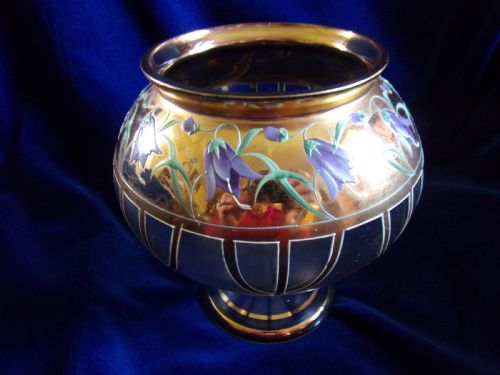


Hand Enamelled Vase
A hand enamelled vase brings together meticulous brushwork and coloured vitreous pigments, offering an expressive decorative centrepiece for the room.
Hand Enamelled Vase
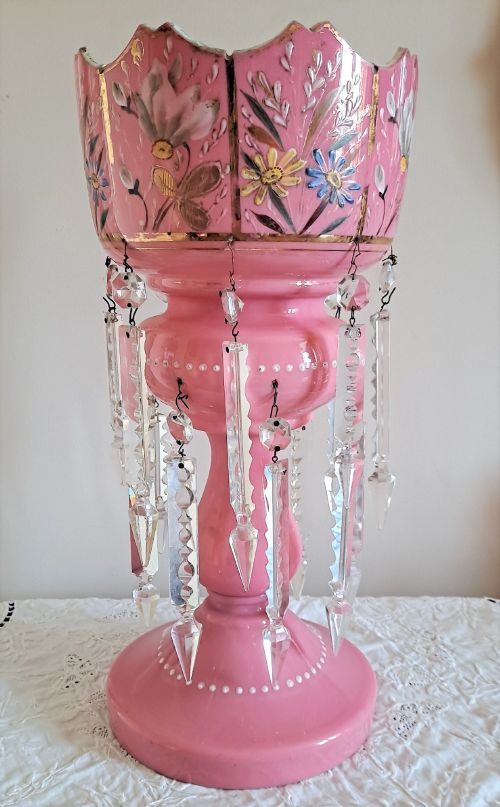
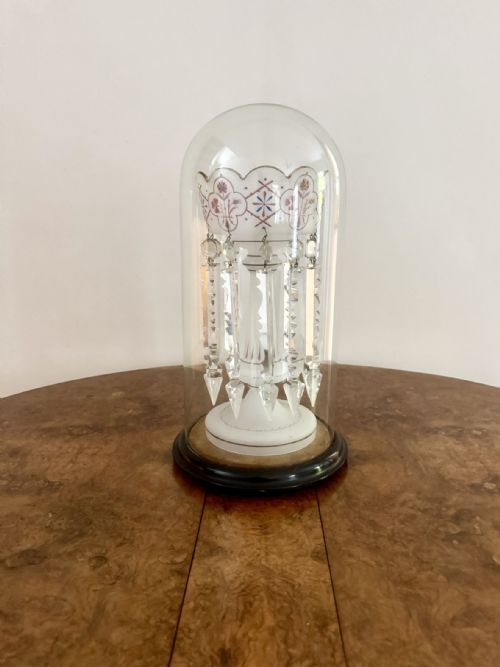
When you search for a hand enamelled vase, you encounter a diverse selection spanning European glasswork and Asian porcelain traditions. The pieces range from compact bulb vases and Mantel Lustres to monumental floor-standing vessels.
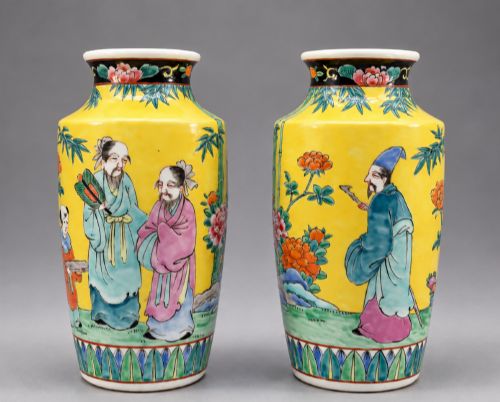
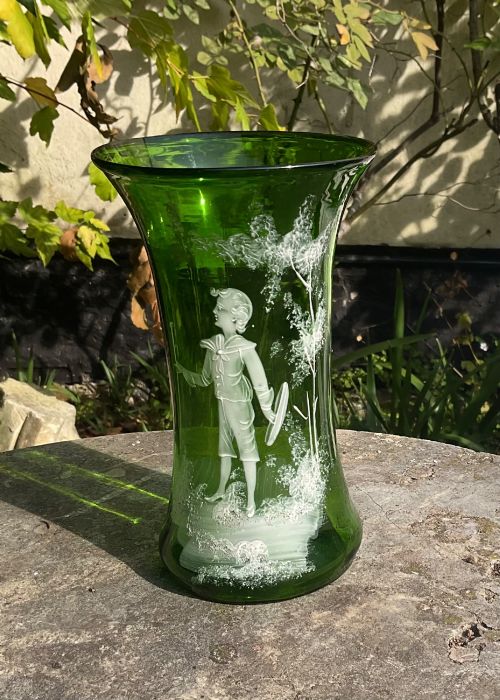
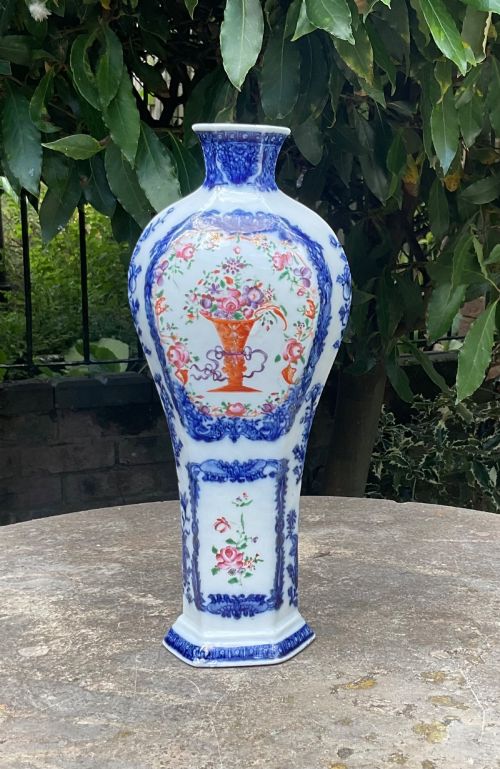
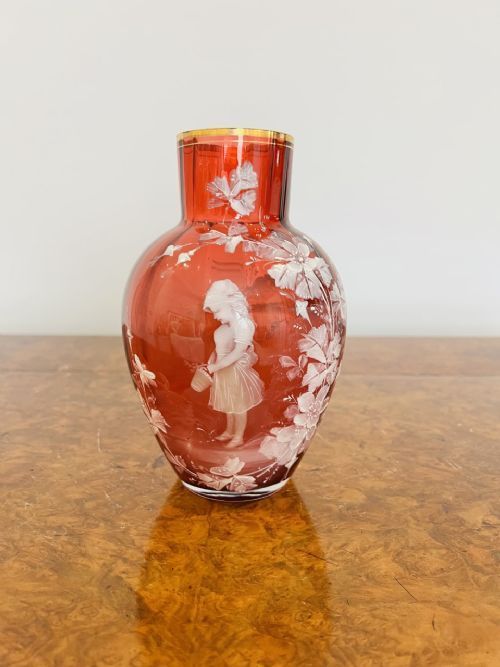
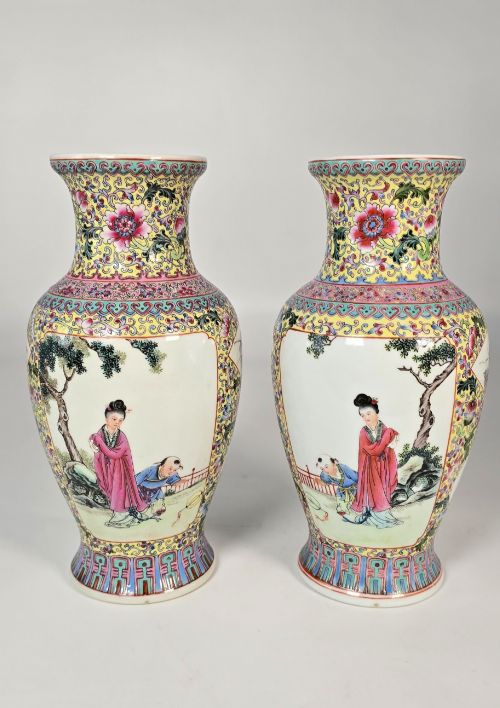
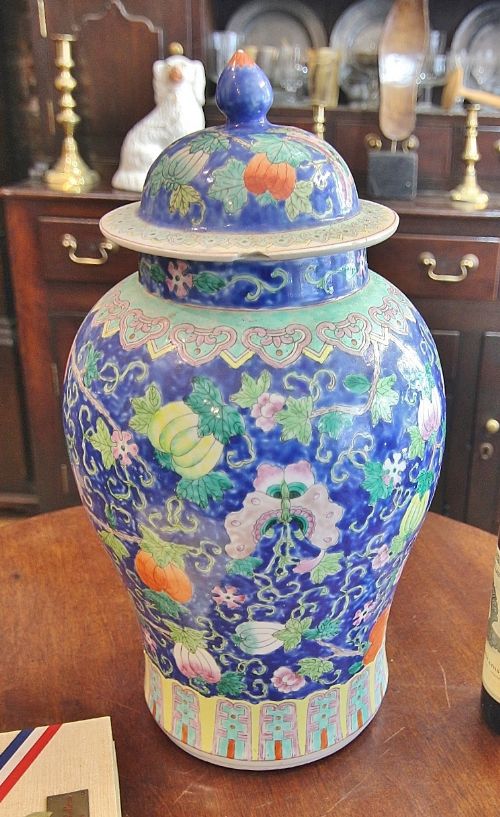
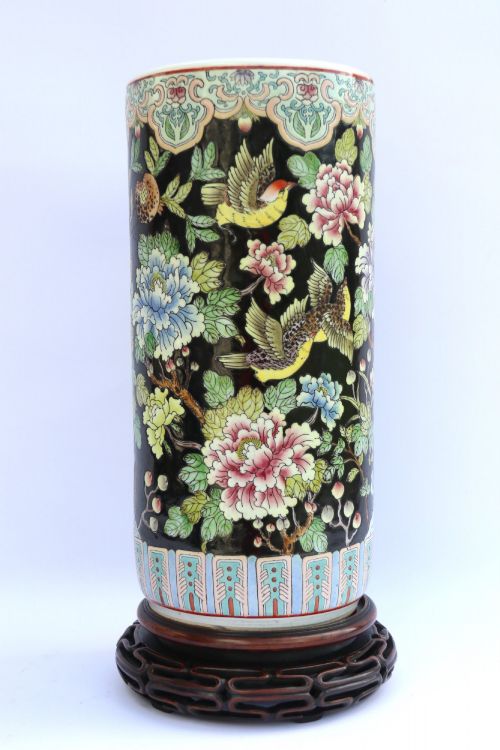
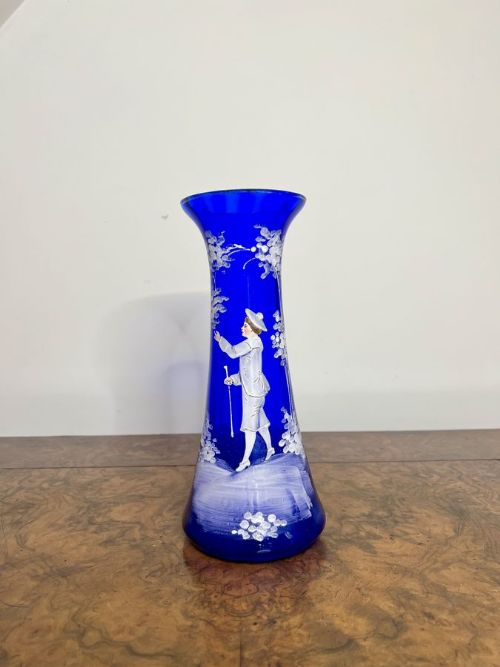
Victorian glass vessels featuring white painted figures frequently appear alongside Chinese export porcelain decorated with famille rose pigments. Japanese Satsuma ceramics and Bohemian coloured glass also feature prominently across the selection.
How they were made
Artisans applied ground glass pastes and mineral pigments directly onto fired porcelain bodies or blown glass vessels before subjecting them to a secondary kiln firing. This process fused the vitreous colours permanently to the surface.
Gilding and gold leaf often supplemented the enamel work, highlighting rims, handles, and figurative details to catch the light.
Hand Enamelled Vase Retail Price Guide 2026
Typical asking prices for hand enamelled vase among the pieces listed under this phrase on Sellingantiques today, from the lower quarter to the upper quarter. They describe what is for sale here now, not the wider market.
Fox hunting scenes gallop across green Bohemian glass, proving that nineteenth-century artisans enjoyed putting hounds on vessels.
What varies in quality
The precision of the brushwork and the depth of the pigment determine the visual success of the piece. Superior examples display crisp outlines, controlled shading, and integration between the enamel and the underlying material.
The weight of the glass or the refinement of the porcelain blank dictates the structural calibre of the vessel, distinguishing standard production items from exhibition pieces.
George Tye·Minton·Samson, Paris
The Hand Enamelled Vase Glossary
- Famille Rose
- A palette of opaque rose-pink and other soft enamel colours introduced in Chinese ceramics during the Qing dynasty. It allowed for nuanced shading and detailed pictorial scenes.
- Mary Gregory
- A style of glass decoration characterised by white enamel silhouettes depicting children in natural settings. It gained popularity during the Victorian era on cranberry, green, and blue glass.
- Mantel Lustre
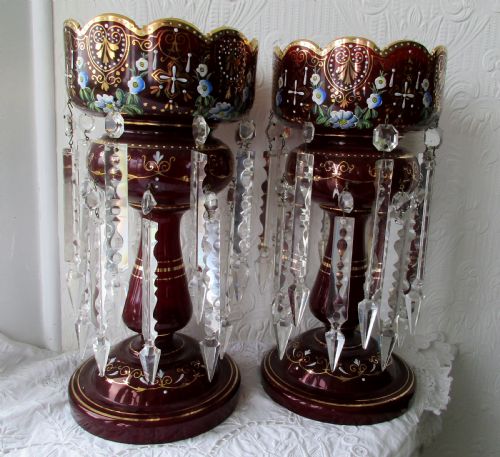
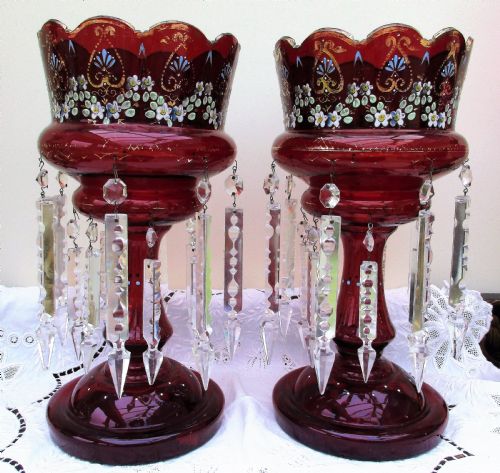
- A decorative glass or porcelain vase fitted with hanging crystal prisms designed to reflect candlelight. They typically appeared in pairs on nineteenth-century mantelpieces.
- Satsuma
- Japanese earthenware pottery featuring a crackle-glaze ivory body decorated with elaborate polychrome enamels and gilding. These wares were widely produced for export from the late nineteenth century onward.
- Opaline Glass
- An opaque, slightly translucent glass developed in nineteenth-century Europe, often tinted in soft pastel shades. It provided a smooth background for painted enamel floral motifs.
Hand Enamelled Vase: Frequently Asked Questions
How do I clean a hand enamelled vase?
Dust the surface gently with a soft, dry brush to preserve delicate enamel and gold leaf. Avoid submerging pieces in water, particularly older glass and earthenware.
Moisture can seep beneath vulnerable gilding or compromise the stability of historic glazes over time.
Were these vases used for fresh flowers?
Many historical vessels served primarily as decorative garnitures or mantel ornaments rather than utilitarian flower holders. Their interior surfaces often lack the glazing required to hold water safely.
Using them for display without liquid protects the antique materials from internal staining and mineral damage.
How can I tell Victorian glass from later copies?
Examine the pontil mark on the base of blown glass pieces to identify older manufacturing methods. Victorian glass typically exhibits hand-finished characteristics rather than modern machine moulding.
The weight, hue of the glass, and texture of the enamel also offer reliable indicators of period origin.
What is the difference between Chinese export and domestic wares?
Export pieces were specifically manufactured in kilns like Jingdezhen for Western markets, often incorporating European-influenced forms or armorial designs. Domestic wares adhered strictly to traditional Chinese aesthetic standards and motifs.
Both categories frequently utilised rich famille rose enamels during the Qing dynasty.