

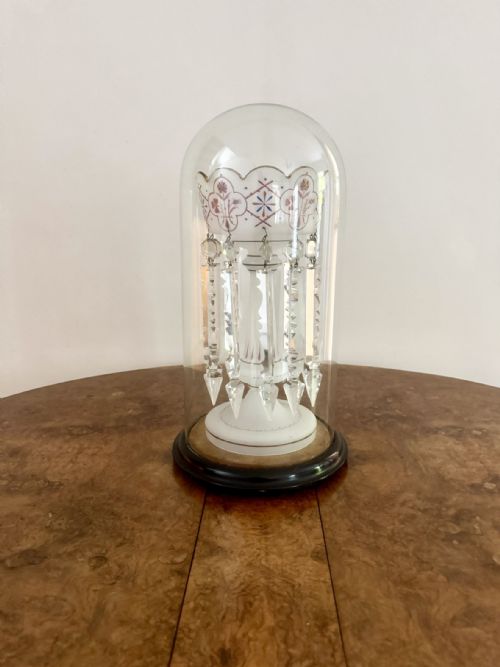


Hand Cut Crystal
These hand cut crystal pieces bring light and weight to a room through centuries of faceted glass and crystal work.
Hand Cut Crystal
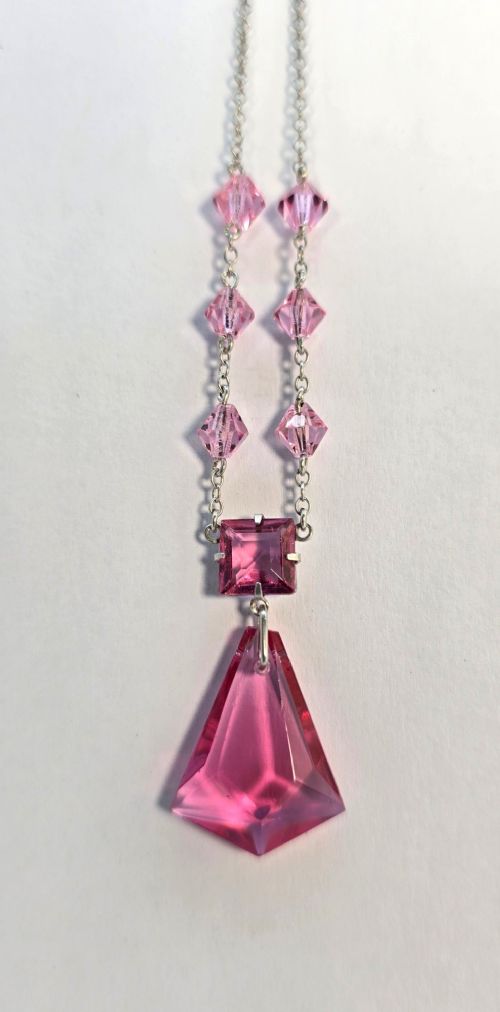
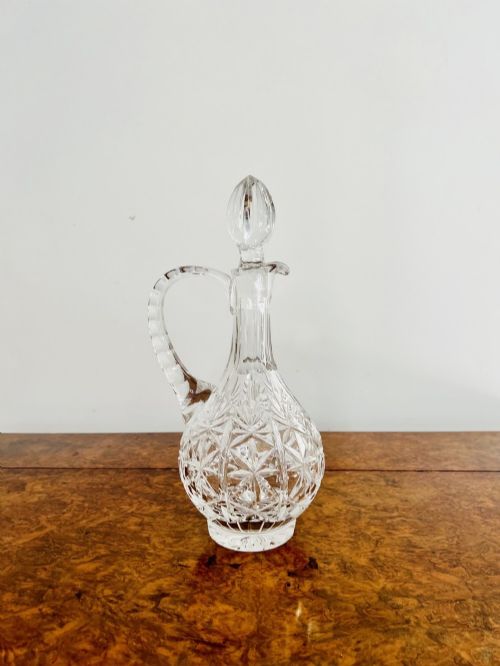
When you search for hand cut crystal, you encounter a diverse array of objects spanning the Georgian, Victorian, Edwardian, and Art Deco periods. The selection encompasses functional tableware like decanters and wine glasses alongside decorative items such as mantel lustres and chandeliers.
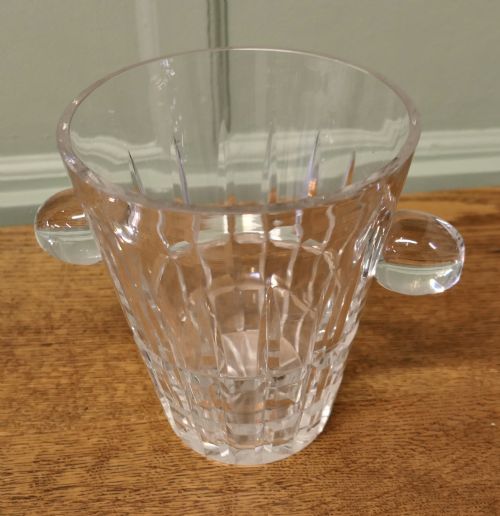
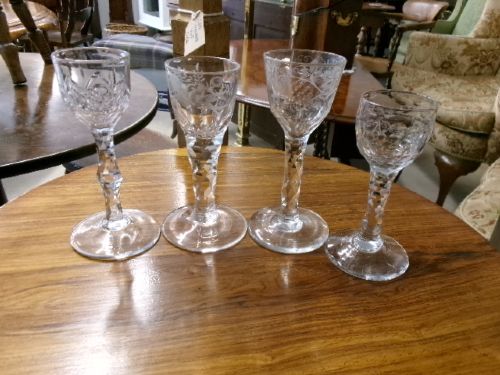
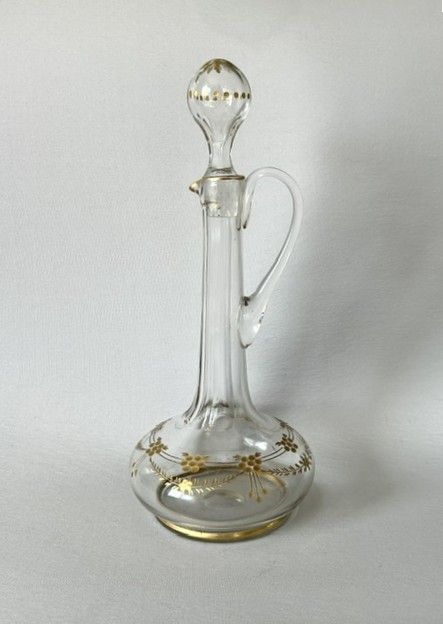
Tableware forms like decanters, ewers, and drinking glasses feature prominently alongside ice buckets and cruet sets. Large lighting fixtures, including tent and bag chandeliers, dominate the archival record alongside freestanding mantel lustres and centrepieces.
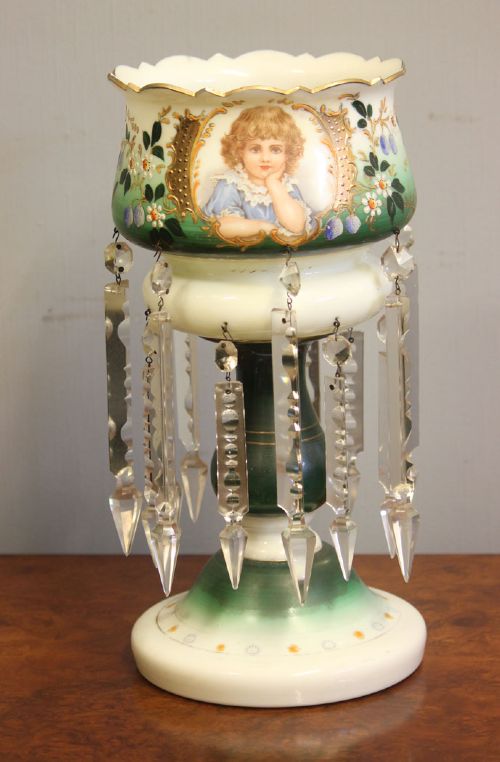
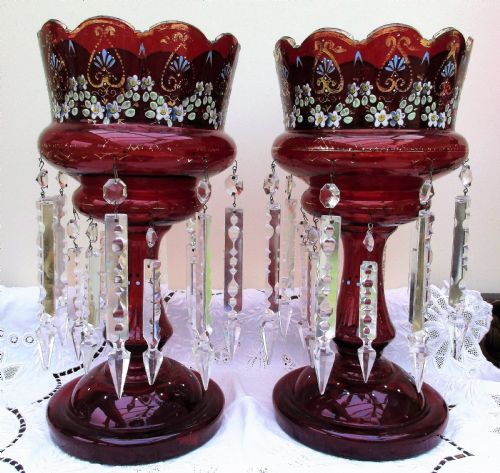
Victorian and Art Deco iterations surface frequently among the listings, ranging from ruby glass lustres to heavy lead crystal ice buckets. Pieces hail from English, French, and Bohemian workshops, uniting craftsmanship from multiple European centres.
How they were made
Makers utilised glass and lead crystal, shaping molten material through hand blowing before applying surface decoration. Craftsmen cut geometric patterns into the cooled surface using abrasive wheels to achieve sharp facets.
Combinations of cut crystal with brass, gilt bronze, silver plate, and enamel appear across lighting and tableware. Overlay techniques involve fusing layers of coloured glass, such as ruby or green, before cutting through the top layer to reveal the clear crystal beneath.
Listings feature items from the Georgian, Regency, Victorian, Edwardian, and Art Deco eras, executed in lead crystal, ruby glass, and cut glass.
What varies in quality
The clarity of the material and the precision of the facet cutting dictate the upper tier of the range. Crisp, deep wheel cuts create sharper refraction than shallow or rounded incisions.
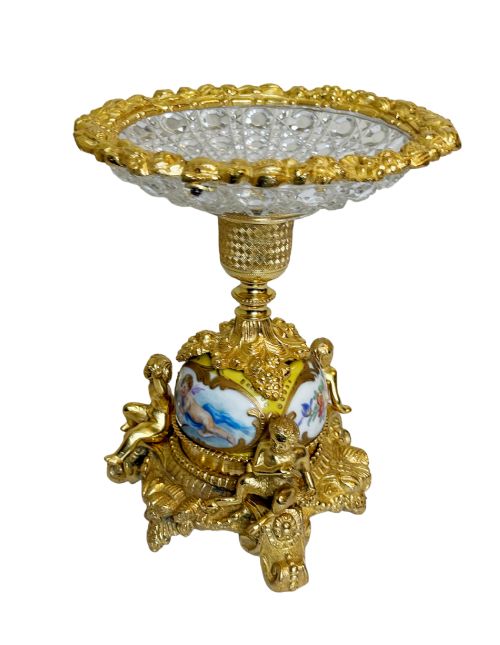
The integration of metal mounts, such as cast brass or gilt bronze frames on chandeliers and centrepieces, separates standard items from more ambitious works. Weight and resonance in the glass provide further indicators of lead content and material density.
The Hand Cut Crystal Glossary
- Lead crystal
- Glass containing a high proportion of lead oxide, which increases weight, clarity, and the dispersion of light. This material allows for deeper and sharper facet cutting.
- Mantel lustre
- A decorative ornamental vase or urn hung with prismatic glass pendants, designed to sit on a fireplace mantel. These pieces reflect ambient candlelight from their faceted drops.
- Overlay
- A technique where a vessel is formed with a thin outer layer of coloured glass over a clear body. Cutting through the outer layer exposes the contrasting base metal.
- Comport
- A shallow decorative bowl raised on a pedestal, utilised for serving fruit or sweets. They appear in heavy hand blown and cut crystal formats.
- Cruet set
- A matched collection of small glass bottles or jars mounted in a stand for condiments. They frequently incorporate hand cut lead crystal vessels fitted with silver or metal frames.
Hand Cut Crystal: Frequently Asked Questions
Are these items safe for daily use?
Many historical drinking glasses, decanters, and jugs were designed for actual service at the table. Modern usage depends on the condition of the rim and the absence of internal staining.
Lead crystal pieces from the nineteenth century onward function well for serving beverages. Delicate items with intricate hanging prisms or gilt bronze mounts suit display rather than practical dining.
How can I tell Victorian crystal from Art Deco pieces?
Victorian examples often display ornate floral etching, ruby or green overlay colours, and heavy faceted stems. They frequently take the form of lustres, ewers, and heavily cut decanters.
Art Deco items favour geometric lines, streamlined ice buckets, and heavy lead crystal cruet sets. French and English pieces from the 1920s emphasise minimalist forms and robust proportions.
What is the difference between glass and crystal?
Traditional glass consists of silica, soda, and lime, yielding a lighter and softer material. Crystal incorporates metallic oxides, traditionally lead oxide, which increases the density and refractive index.
This added weight and composition permit deeper wheel cutting without fracturing the material. The presence of lead produces a distinct clear ring when the rim is tapped gently.