


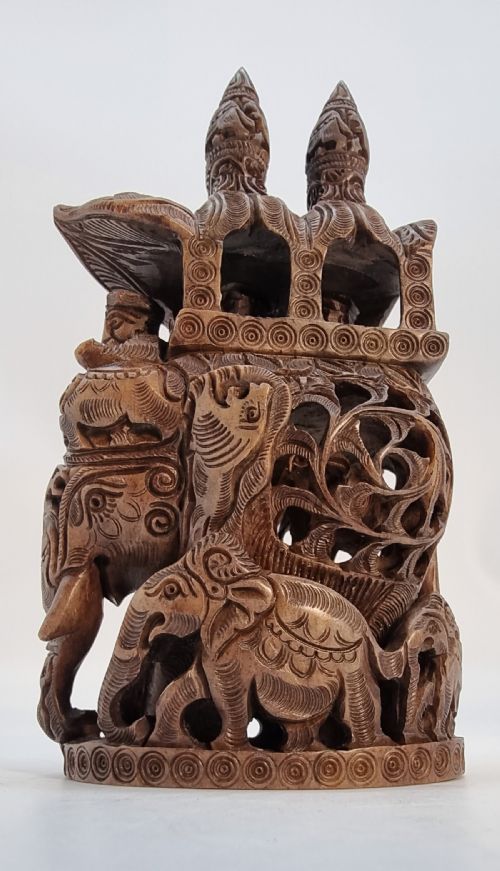


Hand Carved Soapstone Sculpture
These hand carved soapstone sculpture pieces span multiple origins and traditions, offering tactile forms that enrich any interior.
Hand Carved Soapstone Sculpture
A hand carved soapstone sculpture brings together soft mineral mediums and traditional craftsmanship from various cultural backgrounds. When you search for a hand carved soapstone sculpture, you encounter figural groups, animal studies, and scholarly seals representing distinct historical eras.
The selections here range from nineteenth-century Chinese Qing dynasty carvings to African folk art portrait busts and Anglo-Indian animal studies. These works take the form of temple guardian dogs, sages, monkeys, and continuous landscapes carved with notable depth.
Most examples originate from the nineteenth and early twentieth centuries, reflecting traditional Chinese motifs alongside distinct African and Indian regional styles. Each piece utilises the natural variations of the stone to define its subject matter.
How they were made
Makers shaped these works primarily from soapstone, steatite, and serpentine, leveraging the softness of the mineral to achieve intricate undercut details. Some pieces incorporate hardwood bases or components to support heavier stone compositions.
Hand Carved Soapstone Sculpture Retail Price Guide 2026
Typical asking prices for hand carved soapstone sculpture among the pieces listed under this phrase on Sellingantiques today, from the lower quarter to the upper quarter. They describe what is for sale here now, not the wider market.
What varies in quality
The distinction between standard examples and superior works lies in the depth of the carving and the complexity of the composition. Multi-figural groups and continuous landscape scenes demand greater sculptural control than single static figures.
The Hand Carved Soapstone Sculpture Glossary
- Soapstone
- A talc-schist metamorphic rock prized for its softness and suitability for detailed carving. It accepts fine detail readily.
- Steatite
- A dense, compact variety of soapstone often utilised for seals and small-scale decorative objects. It takes a smooth finish.
- Serpentine
- A group of green silicate minerals sometimes associated with or used alongside soapstone in carving. It displays characteristic mottled patterns.
- Shi Shi
- A traditional guardian lion or dog figure frequently depicted in East Asian art. These mythical beasts symbolise protection.
- Seal
- A carved stamp or marker utilised for personal or official signatures. They often feature elaborate figural tops.
Hand Carved Soapstone Sculpture: Frequently Asked Questions
What is soapstone?
Soapstone is a relative soft metamorphic rock composed largely of talc, making it exceptionally easy to carve into detailed shapes. Its smooth texture and varied mineral colours have made it a preferred medium for carvers across many centuries.
Because of its tactile qualities, pieces carved from this material often retain a smooth, soapy feel to the touch. The stone naturally accommodates intricate undercutting and fine surface incisions.
How do I date a sculpture?
Dating a carved stone piece involves examining the stylistic conventions, tool marks, and subject matter characteristic of specific periods. Nineteenth-century and early twentieth-century works often display distinct regional motifs and carving depths.
Comparing the handling of the stone and the complexity of the base or accompanying elements helps establish the era of production. Documentation and historical context further clarify the age of these objects.
Where were these carvings made?
These sculptures originate from diverse cultural regions, with a strong representation of traditional Chinese craftsmanship spanning the Qing dynasty and later periods. Other examples reflect African folk art and Anglo-Indian traditions.
Each region developed specific forms, from scholarly desk seals to figural portrait busts and ceremonial animal studies. The local availability of stone influenced the scale and style of the resulting work.
How should I clean soapstone?
Cleaning soapstone requires gentle methods that preserve the natural surface and any historic patination. A soft, dry cloth or a slightly damp sponge is usually sufficient for removing dust from recessed carved areas.
Harsh chemical cleaners and abrasive materials should be avoided as they can alter the finish of the stone. Occasional light conditioning with neutral oils can enhance the depth of the mineral colours.