






Hand Carved Pedestals
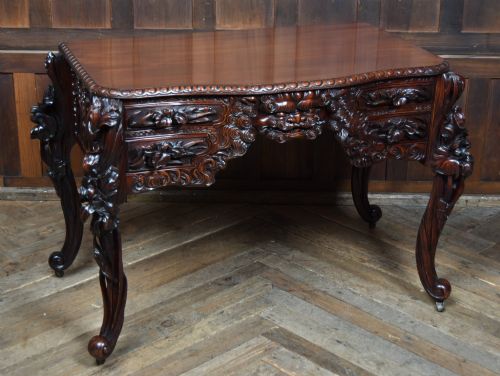
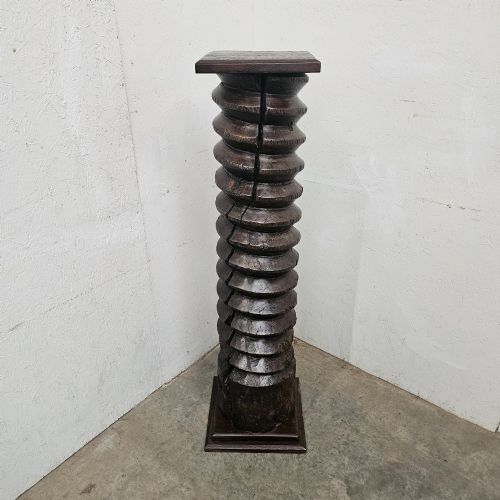
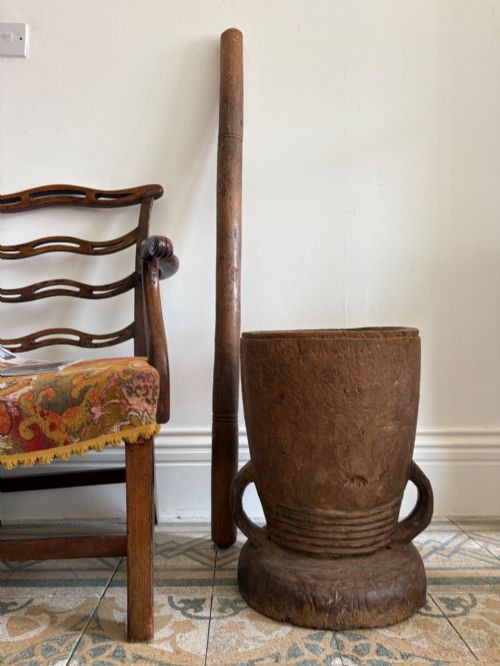
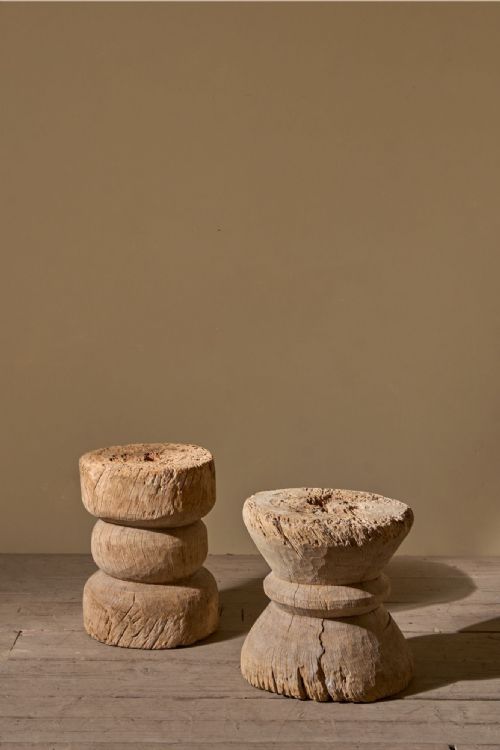
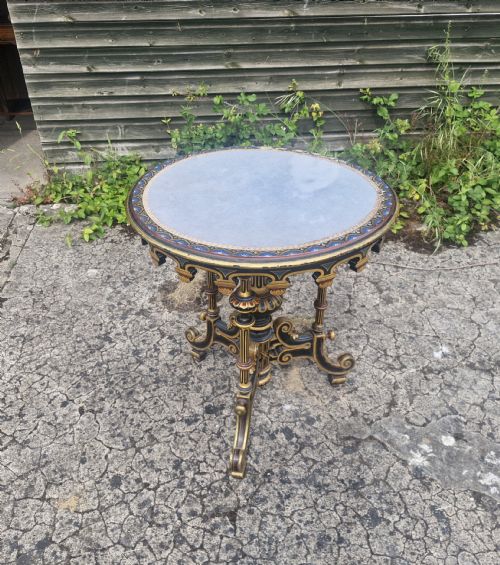
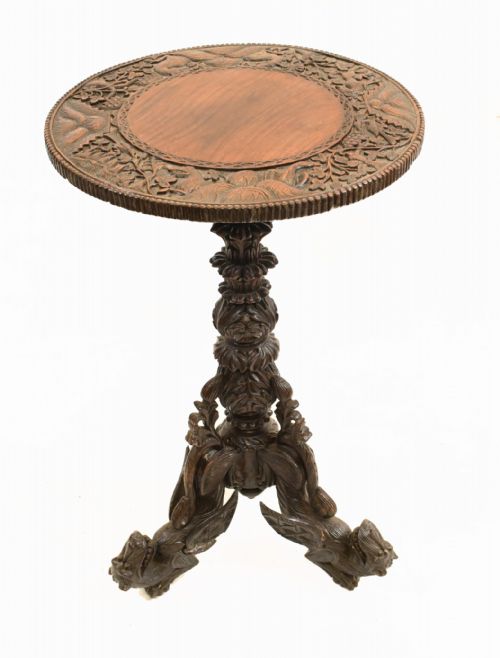
These hand carved pedestals bring sculptural presence and dense botanical detail to a room, drawing the eye upwards with traditional craftsmanship.
Hand Carved Pedestals
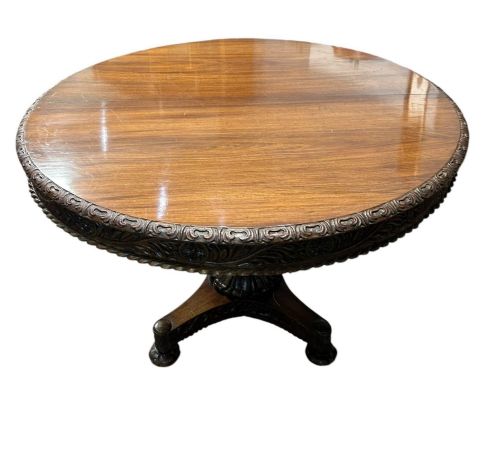
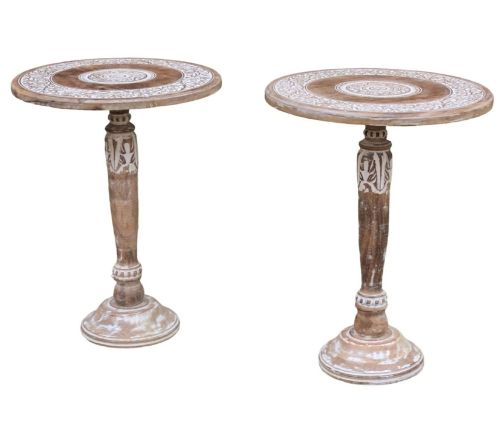
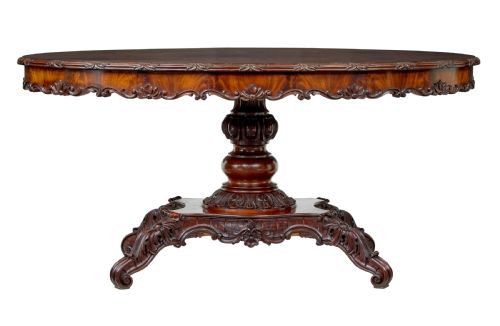
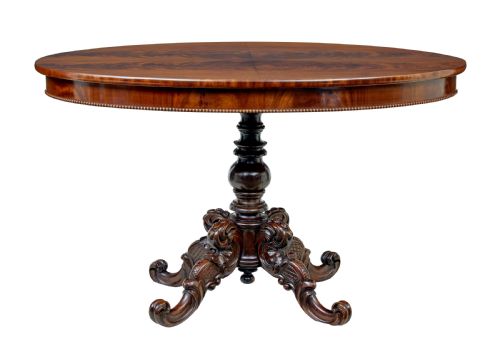
Hand carved pedestals encompass regional display furniture and sculptural supports created across the nineteenth and twentieth centuries. Buyers seeking these pieces encounter items ranging from Anglo-Indian plant stands and Burmese occasional tables to Victorian walnut bases and Chinese lacquered pedestals.
The selection reflects diverse global traditions where heavy timber, paint, and lacquer meet elaborate chisel work. Forms include round dining tables, plant stands, and folding book pedestals designed to elevate objects or hold books.
The material record spans teak, mahogany, oak, walnut, and regional hardwoods shaped in styles from Gothic Revival to Anglo-Indian Colonial and African Tribal. Most examples function as display surfaces or sculptural supports within domestic interiors.
How they were made
Craftsmen shaped these pieces primarily from dense timbers such as teak, padouk, oak, walnut, and general hardwoods using hand chisels and gouges. The choice of heavy timber allowed artisans to carve deep, intricate relief patterns without compromising the structural integrity of the support.
Surface treatments varied by region and period, encompassing applied paint, lacquer, and natural grain polishes. Joinery techniques combined traditional pegging and turning with substantial carved elements such as animal figures or botanical scrollwork.
Hand Carved Pedestals Retail Price Guide 2026
Typical asking prices for hand carved pedestals among the pieces listed under this phrase on Sellingantiques today, from the lower quarter to the upper quarter. They describe what is for sale here now, not the wider market.
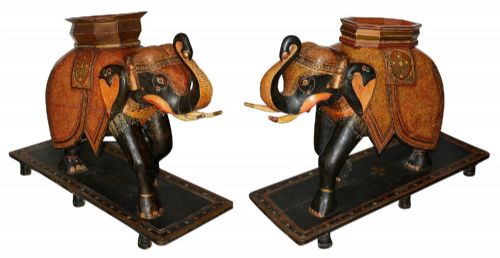
Certain nineteenth-century makers applied lacquer and paint to wooden elephants, turning simple pedestals into menagerie displays.
What varies in quality
Quality rests in the depth, crispness, and proportion of the hand carving across the timber surface. Superior examples exhibit fluid, confident relief work where botanical or figurative details retain sharp edges and clear definition.
The choice of dense, stable hardwoods and the integrity of the original finish or lacquer further distinguish finer pieces from simpler utilitarian objects.
The Hand Carved Pedestals Glossary
- Anglo-Indian
- A style combining British furniture forms with traditional Indian carved decoration. It frequently employs dense tropical hardwoods such as padouk and teak.
- Hardwood
- Timber derived from broad-leaved angiosperm trees, valued in these pieces for its density and suitability for intricate chisel work. Common varieties include mahogany, walnut, and oak.
- Lacquer
- A durable finish applied in thin coats and polished to a hard sheen. It appears on regional Asian plant stands and decorative items.
- Relief
- A sculptural technique where figures or patterns project from a background plane. Deep relief work is a hallmark of many nineteenth-century Burmese and Indian tables.
Hand Carved Pedestals: Frequently Asked Questions
What were hand carved pedestals used for originally?
These supports served as display furniture for plants, sculptures, and decorative objects within period interiors. They elevated items to eye level to showcase fine ceramics, bronzes, or floral arrangements.
Specific regional variants, such as folding book pedestals, held texts for scholars reading in private studies or libraries.
How do I style a pedestal in a modern room?
A carved wooden pedestal functions as a sculptural accent that anchors a corner or frames a seating arrangement. Placing a ceramic bowl or bronze figure on top creates a distinct focal point.
Matching the timber tone with existing furniture helps integrate regional pieces like Anglo-Indian tables into contemporary spaces.
How can I tell the period of a carved pedestal?
Dating relies on examining the timber species, tool marks left by the carver, and regional stylistic conventions. Nineteenth-century pieces frequently display deep botanical carving or colonial influences such as camel and elephant motifs.
Construction methods, including the type of joinery and fasteners used underneath, provide further clues to the manufacturing era.
Are these pedestals sturdy enough for heavy items?
Most pieces are built from dense hardwoods like teak and oak, providing substantial weight and stability for display use. The wide base and solid upright structure support plant pots, bronze figures, and occasional table tops securely.
Checking the balance of the specific base ensures it handles the intended weight safely.