



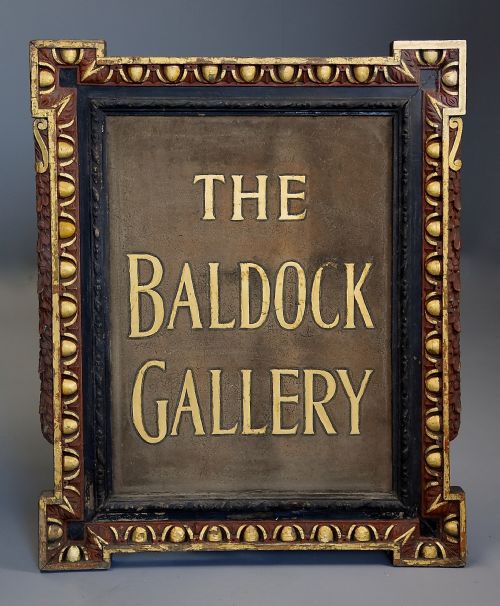

Hand Carved Frame
A hand carved frame brings tactile warmth to a room, framing mirrors, paintings, and panels with distinct historic character.
Hand Carved Frame
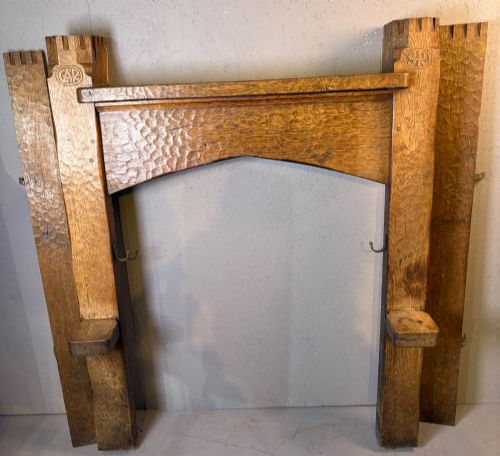
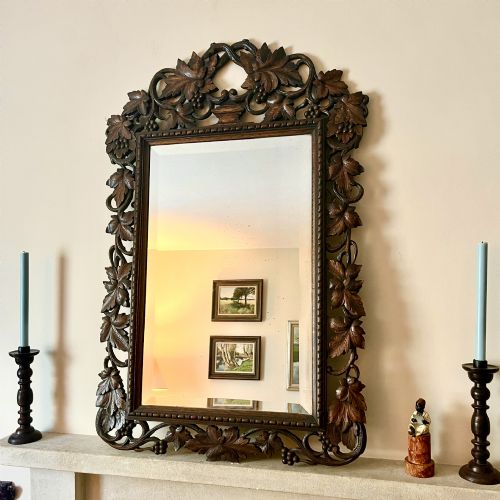
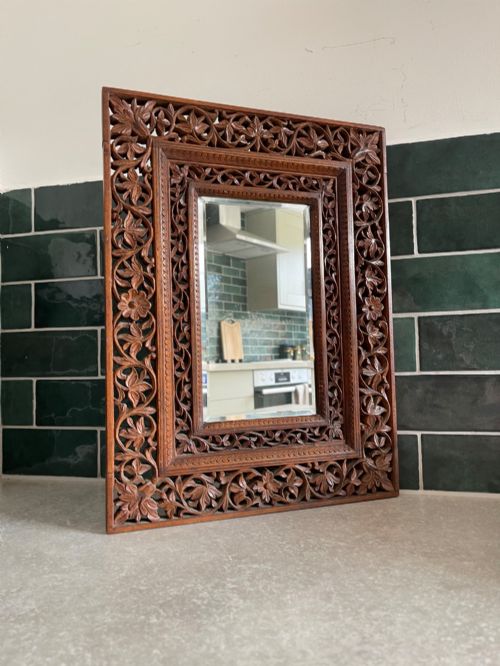
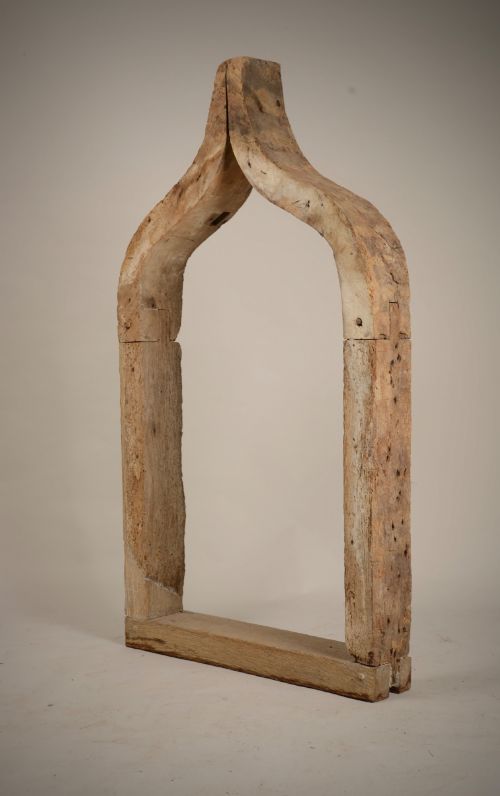
When you search for a hand carved frame, you encounter objects shaped from timber and organic materials by historical craftspeople, spanning wall mirrors, structural surrounds, and display settings.
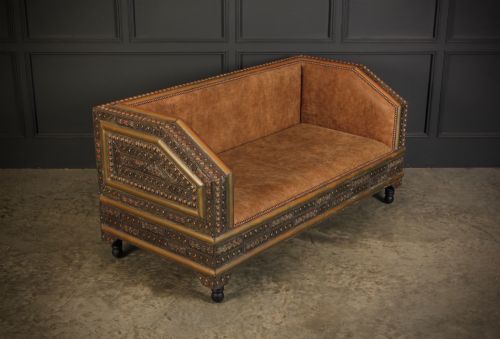
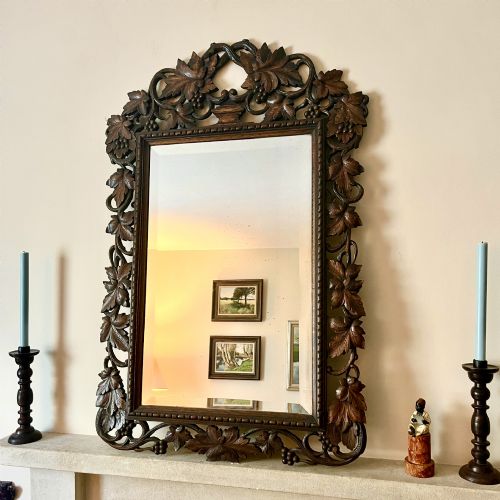
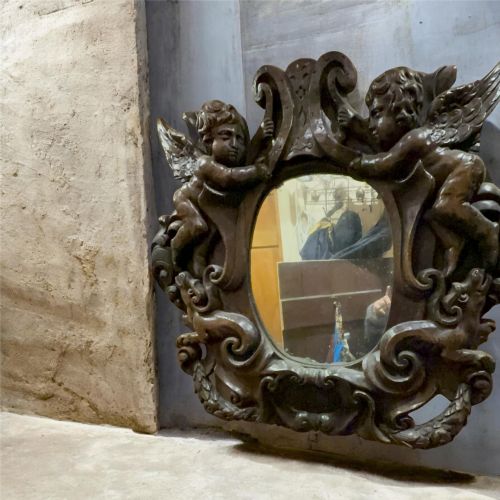
The selections here lean heavily toward nineteenth-century domestic items, featuring regional variations such as Black Forest, Anglo-Indian, and Italian styles.
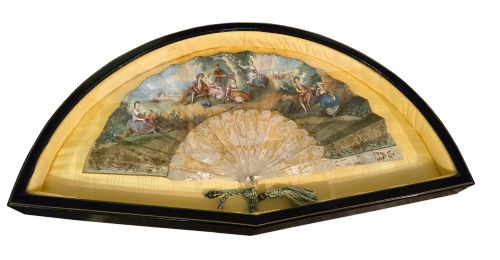
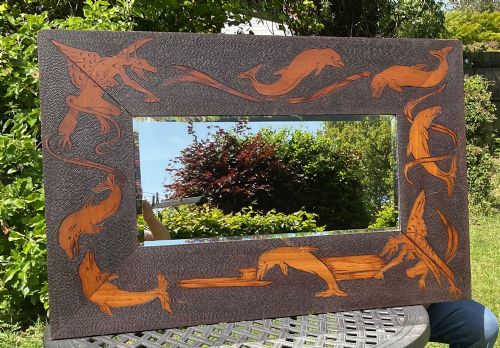
Most entries function primarily to hold mirrors, paintings, or textiles, uniting utility with ornamental depth.
Materials and construction
Workshops relied on dense woods like oak, walnut, limewood, and fruitwood, selected for their stability under deep chisel work.
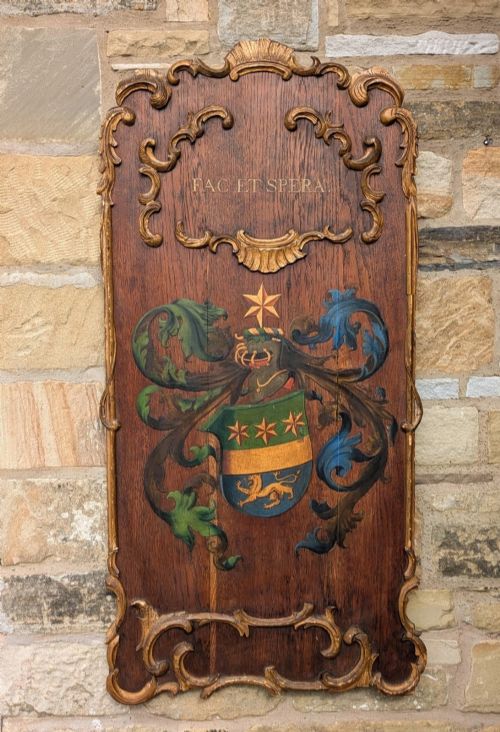
Many surfaces carry applied finishes including gold leaf, polychrome paint, or intricate inlays of mother-of-pearl, bone, and nacre-shell.
Joinery and relief carving were executed entirely by hand, utilising traditional gouges and parting tools to achieve high levels of three-dimensional depth.
Hand Carved Frame Retail Price Guide 2026
Typical asking prices for hand carved frame among the pieces listed under this phrase on Sellingantiques today, from the lower quarter to the upper quarter. They describe what is for sale here now, not the wider market.
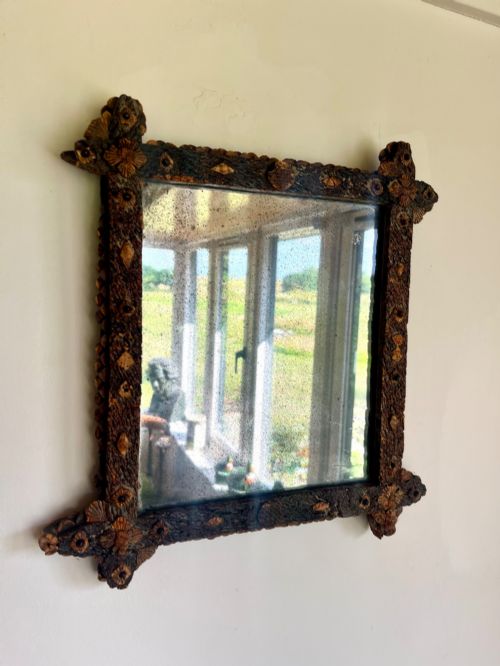
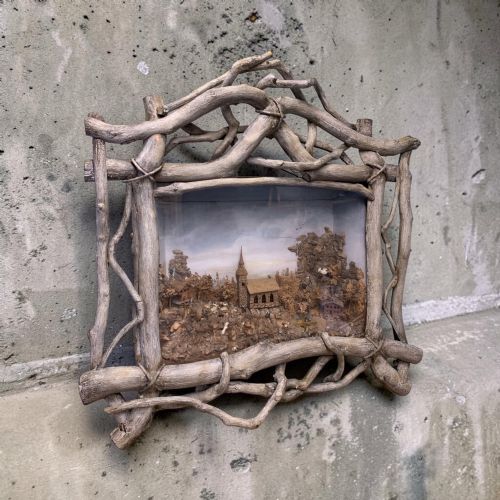
Some nineteenth century artisans integrated delicate cork and twigs into miniature dioramas, proving that grand Victorian ambition thrives on tiny details.
Assessing the execution
The distinction between standard items and superior examples lies in the sharpness and depth of the chisel work, where crisp undercut details reveal an artisan's confidence.
Surface preservation dictates overall integrity, as original gilding, untouched paint, and intact inlay elements hold greater visual coherence than later restorations.
Proportion and balance across asymmetric or highly ornate foliage dictate whether an object sits comfortably as a focal point in a room.
The Hand Carved Frame Glossary
- Polychrome
- Decoration executed in multiple colours, often applied to wood, plaster, or gesso surfaces to enhance figurative or floral scenes.
- Gilt wood
- Timber coated with a thin layer of gold leaf over a prepared base of gesso or bole, common on decorative nineteenth-century frames.
- Black Forest
- A nineteenth-century style of wood carving originating in central Europe, typically depicting naturalistic animals, foliage, and deep relief work in walnut or lime.
- Tramp art
- A form of folk art created by chipping, notching, and layering small pieces of scrap wood, frequently utilised for accessible frames and boxes.
- Mother-of-pearl
- The iridescent inner layer of mollusc shells, cut into thin geometric or figurative plaques and pressed into wooden recesses for contrast.
Hand Carved Frame: Frequently Asked Questions
How do I hang a heavy carved wooden mirror safely?
Heavy carved frames require robust wall fixings anchored directly into masonry or substantial timber studs rather than standard plasterboard anchors.
Employing a professional mirror hanger or utilising a heavy-duty z-bar cleat distributes the weight evenly across the structure.
Can I clean historic carved wooden frames with water?
Moisture damages aged wood, gilded surfaces, and historic paintwork, making wet cleaning methods entirely unsuitable for antique frames.
A soft, dry artist's brush or a dusting wand clears accumulated debris from deep crevices without disturbing the fragile patina.
How do I distinguish regional carving styles?
Regional characteristics reveal themselves through chosen timbers, motifs, and assembly techniques specific to a geographical workshop tradition.
For instance, dense fruitwood inlays indicate Levantine origins, whereas limewood foliage points directly toward continental European production.
Are these frames sturdy enough for daily use?
Historic frames constructed from hardwoods like oak and walnut remain structurally robust for continuous display in domestic environments.
Careful placement away from direct heat sources and fluctuating humidity prevents timber shrinkage and subsequent joint separation.