




Hand Carved Door
A hand carved door brings architectural character to a room, offering tactile timber surfaces and intricate regional joinery.
Hand Carved Door
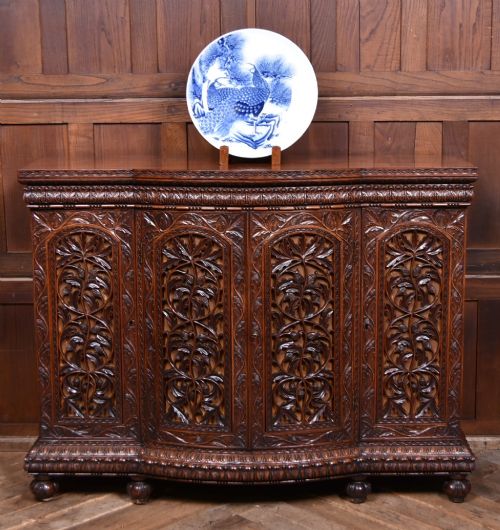
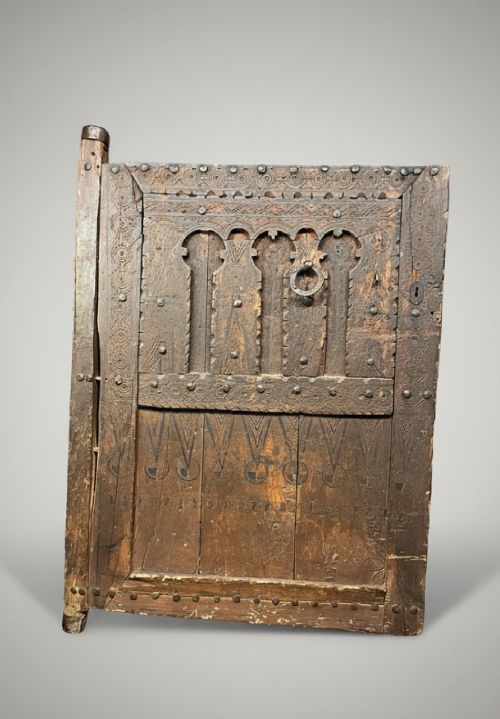
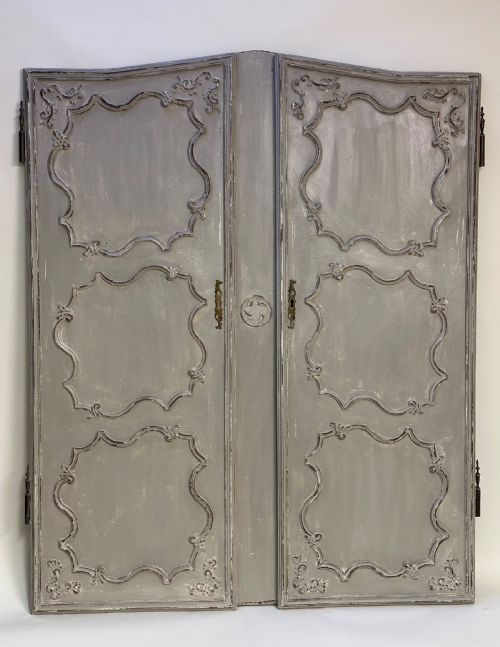
A hand carved door encompasses architectural salvage and panels spanning the eighteenth, nineteenth and twentieth centuries. These pieces originate from diverse traditions, including French chateau designs, traditional Indian workshops, and North African tribal communities.
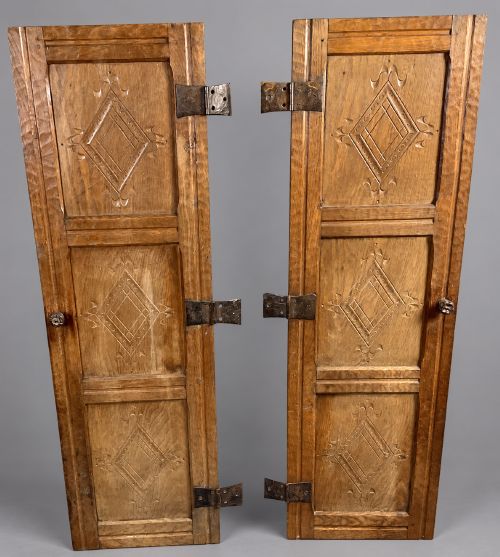
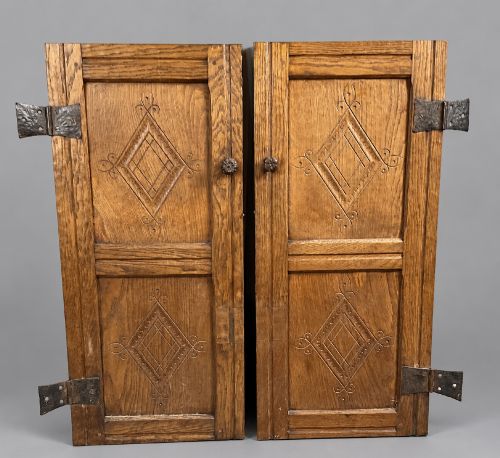
The version most commonly encountered on this page is the pair of oak doors or panels, often dating from the nineteenth century. Alongside full doorways, buyers find related elements such as cabinet doors, pelmets and individual carved wood panels.
Makers and origins vary widely, touching upon Arts and Crafts, Edwardian, Victorian, and Anglo-Indian Colonial styles. Each item displays distinct regional motifs and carving techniques unique to its period and geographical source.
Materials and construction methods
Construction relies heavily on dense timbers such as oak, teak, padouk, satinwood and assorted hardwoods. Carpenters shaped these durable materials using traditional hand tools to achieve deep relief carving and structural stability.
Hardware plays an integral role, incorporating wrought iron, brass and painted finishes that complement the natural grain of the timber. Joinery methods range from linenfold panel assembly to pegged frames designed to withstand heavy daily use.
Hand Carved Door Retail Price Guide 2026
Typical asking prices for hand carved door among the pieces listed under this phrase on Sellingantiques today, from the lower quarter to the upper quarter. They describe what is for sale here now, not the wider market.
Geographical origins represented across the inventory include France, India, North Africa, and Sulawesi.
Evaluating craftsmanship and condition
Quality rests upon the depth, crispness and definition of the hand carving across the timber surface. Superior examples demonstrate confident chisel work and well-balanced proportions that reflect the artisan's skill.
The integrity of the original material and any surviving historic paint or hardware influence the desirability of the piece. Untouched surfaces and coherent patination distinguish finer items from heavily restored alternatives.
The Hand Carved Door Glossary
- Architectural salvage
- Building elements rescued from older structures for reuse in interior design. These items preserve historical craftsmanship and materials.
- Linenfold
- A style of wooden panel moulding resembling folded cloth. It is frequently seen on nineteenth-century oak panels and doors.
- Padouk
- A dense tropical hardwood prized for its durability and rich reddish colour. It is often utilised in fine furniture and cabinetry.
- Pelmet
- A wooden framework placed above a window or doorway to conceal fittings. Carved versions serve a decorative architectural function.
- Compactum
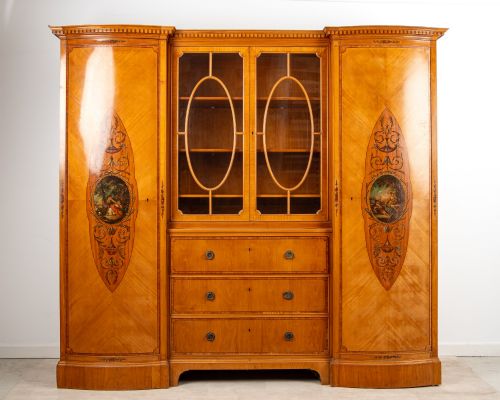
- A large fitted wardrobe or combination cabinet designed to maximise storage. Edwardian examples often feature painted panels and inlays.
Hand Carved Door: Frequently Asked Questions
How do I hang a heavy antique door?
Hanging a heavy timber door requires robust pivot hinges or traditional strap hinges secured directly into structural studs or masonry. Due to the weight of dense hardwoods like oak or teak, professional installation is usually recommended.
Ensure the frame is precisely square before mounting to prevent sagging over time. Historic joinery may also require minor adjustments to accommodate modern thresholds.
Can these doors be used externally?
Most antique doors listed here were originally created for interior use or sheltered courtyard environments. Exposing historic painted or unsealed timbers to direct weathering can damage the wood and original finishes.
If you plan to use one outdoors, consult a specialist regarding protective sealants and sheltered placement. Regular maintenance helps preserve the aged patina against moisture.
How do I identify the period of a carved door?
Dating relies on examining tool marks, timber selection, and stylistic motifs associated with specific eras like the Victorian or Edwardian periods. Machine-cut elements typically indicate a later date, whereas irregular hand-hewn marks point to earlier craftsmanship.
Comparing regional styles, such as Anglo-Indian Colonial or North African tribal designs, also aids in establishing provenance.