





Hand Carved Boxwood
These hand carved boxwood pieces offer intricate detail and tactile weight, spanning East Asian and European traditions from multiple centuries.
Hand Carved Boxwood
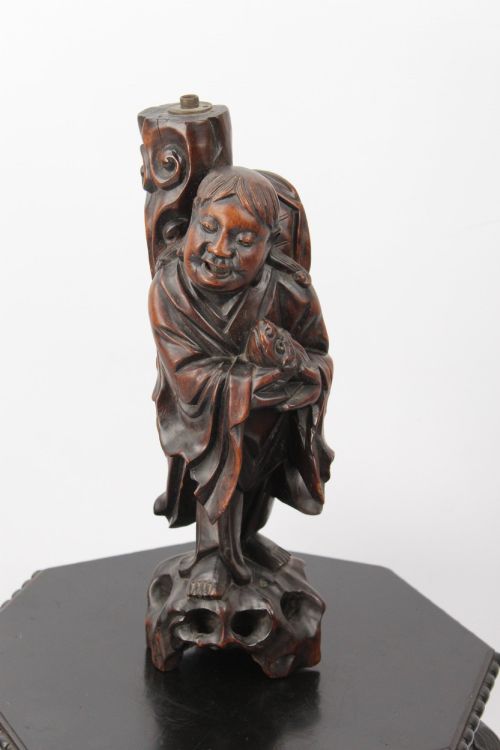
When searching for hand carved boxwood, buyers encounter a diverse selection of sculptural objects and utilitarian items ranging from Japanese netsuke and okimono to Chinese figures and European treen. These items encompass depictions of Daoist immortals, deities such as Fukurokuju, animals including rodents and frogs, and practical objects like chess sets and folding clasp penny knives. The pieces date predominantly across the eighteenth, nineteenth, and early twentieth centuries, reflecting both Eastern and Western carving traditions.
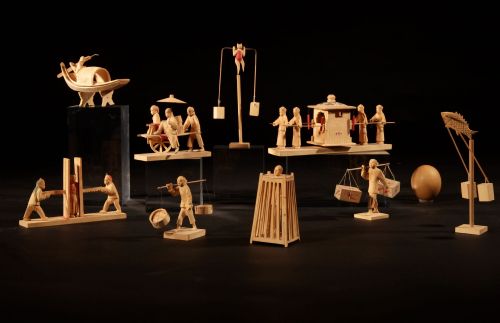
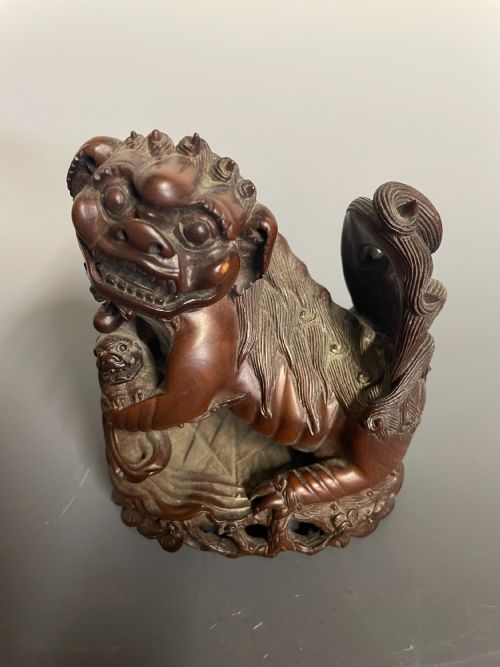
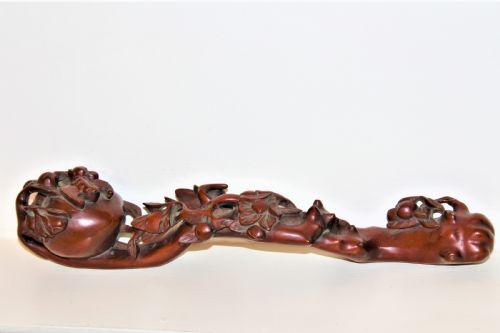
Japanese examples often take the form of intricate okimono and netsuke showcasing daily life or mythological subjects, whilst Chinese carvings feature foo dogs, ruyi sceptres, and daily life scenes. European items appear in forms such as French busts, chess sets in combination with ebony, and folding clasp penny knives. This selection demonstrates the wide geographical spread and varied functional uses of carved boxwood across different historical periods.
How they were made
The primary material is dense boxwood, frequently complemented by contrasting ebony, brass, horn, felt, and steel components depending on the object type. Artisans utilise specialised carving tools to achieve high levels of detail on hard wooden surfaces, often resulting in smooth, tactile finishes suited for handling.
Makers combine traditional carving techniques with naturalistic shaping, seen in items ranging from clustered nuts and fruit forms to figurative sculptures and weighted chess pieces. The inherent hardness of boxwood allows for exceptionally fine incisions and lasting durability without requiring extensive supplementary decoration.
Hand Carved Boxwood Retail Price Guide 2026
Typical asking prices for hand carved boxwood among the pieces listed under this phrase on Sellingantiques today, from the lower quarter to the upper quarter. They describe what is for sale here now, not the wider market.
The documented forms span Japanese netsuke, Chinese figures and sceptres, French busts, and weighted chess sets.
What varies in quality
Quality in these carvings rests upon the precision and depth of the incisions, where master carvers achieve distinct facial expressions, anatomical accuracy, and fluid movement in miniature forms. Pieces with superior definition maintain crisp edges and intricate surface textures that remain clear even on small objects like netsuke or caddy spoons.
The selection of the timber and the preservation of the natural grain also influence the character of the piece, as denser wood takes finer detail and develops a richer patina through handling. The integration of auxiliary materials, such as contrasting ebony in chess sets or fitted brass elements, contributes to the overall cohesion and execution of the work.
The Hand Carved Boxwood Glossary
- Netsuke
- A small carved toggle used in traditional Japanese dress to secure small containers such as inro. These items are typically carved from boxwood and other hardwoods with an opening for a cord.
- Treen
- Small handmade wooden domestic objects and utensils intended for everyday use. Examples include spoons, boxes, and personal items like folding knives.
- Ruyi Sceptre
- A traditional Chinese decorative sceptre symbolising power and good fortune. They are often intricately carved from naturalistic wood forms.
- Foo Dog
- A traditional Chinese guardian lion depicted in sculptural art. These mythical creatures appear frequently in East Asian wood carvings.
Hand Carved Boxwood: Frequently Asked Questions
What is a netsuke?
A netsuke is a small, highly detailed toggle used historically in Japanese clothing to secure pouches or baskets suspended from sashes. Carvers shaped these objects from dense woods like boxwood so they could withstand daily wear.
These pieces often feature figures, animals, or natural clusters designed to be tactile and pleasing to hold in the hand.
How do I care for boxwood?
Boxwood requires stable humidity and protection from direct sunlight to prevent the timber from drying out or splitting over time. Gentle dusting with a soft cloth helps maintain the surface without damaging fine carved details.
Applying wax is rarely necessary if the wood has developed a natural patina through handling and age.
What is an okimono?
An okimono is a Japanese decorative sculpture designed for display on a shelf or table rather than for fastening clothing. These figures often represent gods, folklore characters, or scenes from everyday life.
Carved boxwood okimono showcase the precision and skill of Meiji period artisans through intricate textures and expressions.
How are chess sets weighted?
Weighted chess sets include internal weights placed within the base of each piece to improve stability during play. Boxwood and ebony sets from the nineteenth century frequently employ this technique for balance.
The added weight provides a more substantial feel when moving the pieces across the board.