


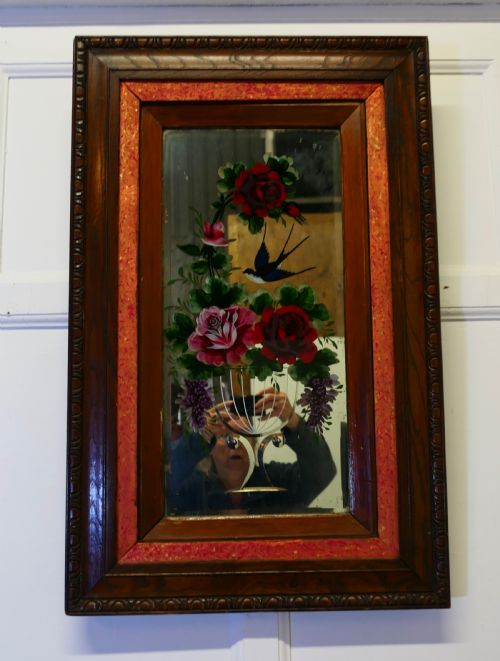


Hand Carved Artwork
Hand carved artwork brings centuries of sculptural skill and material craft into a room, offering immediate texture and history through carved wood, jadeite, and stone.
Hand Carved Artwork
Hand carved artwork encompasses sculptures, wall panels, framed tapestries, and decorative objects shaped by hand across various global traditions and centuries. When exploring hand carved artwork, a buyer encounters diverse forms ranging from Chinese soapstone groups and jade landscapes to African marriage figure panels and English fairground ride panels.
The pieces available span from the seventeenth century through the Victorian era into early twentieth-century modernism, utilising materials such as hardwood, slate, coral, and lacquer. This selection reflects both Western folk traditions and Eastern craftsmanship, each piece bearing the distinct marks of individual maker tools.
Materials and methods
These works rely on traditional subtractive and additive techniques executed in organic media like hardwood, soapstone, jadeite, and Welsh slate. Artisans shaped these dense materials using chisels, gouges, and hand-powered drills to achieve relief depth and three-dimensional form.
Surface treatments complete the construction, incorporating gold leaf, pigment, and lacquer to define details on wood and stone supports. Glass and bone elements also appear alongside textiles like wool needlepoint, showing a wide repertoire of artisan techniques across different cultures.
Hand Carved Artwork Retail Price Guide 2026
Typical asking prices for hand carved artwork among the pieces listed under this phrase on Sellingantiques today, from the lower quarter to the upper quarter. They describe what is for sale here now, not the wider market.
Judging quality in carved pieces
Quality rests in the precision and confidence of the carving marks, where master hands achieve fluid anatomy and crisp foliage without hesitation. Superior examples maintain structural integrity across complex compositions, such as multi-figure groups or intricate landscape mountains, while lesser pieces show stiff proportions or crowded tool work.
Material selection dictates the upper tier of the range, favouring flawless jadeite, dense hardwood, or well-preserved soapstone free from structural fissures. The relationship between the natural grain or mineral inclusion and the final sculpted form reveals the artisan's foresight and ultimate execution.
The Hand Carved Artwork Glossary
- Soapstone
- A soft metamorphic rock composed mainly of talc, prized for its smooth texture and suitability for detailed sculptural carving. It allows intricate undercutting and takes a fine polish.
- Hardwood
- Timber derived from broad-leaved angiosperm trees, offering dense grain and structural stability for large figures and architectural panels. It resists warping over long periods.
- Relief panel
- A flat-backed sculptural work where figures and motifs project from a background plane. This form is common in architectural woodwork and decorative wall displays.
- Needlepoint tapestry
- A form of canvas work embroidery stitched with wool yarn to create pictorial portraits and scenes. It provides flat colour and texture distinct from carved surfaces.
Hand Carved Artwork: Frequently Asked Questions
How are carved wooden panels cleaned?
Dust surfaces gently using a soft, dry natural bristle brush to protect the underlying wood grain and any applied pigment or gold leaf.
Avoid liquid cleaners, chemical polishes, and excessive moisture, which can penetrate porous materials and cause splitting or lifting.
How do I mount a heavy wall panel?
Heavy panels require secure fixings anchored directly into wall studs or masonry using appropriate weight-rated brackets.
Consult a professional installer to assess the wall structure and ensure the weight of dense hardwood or slate is supported safely.
Where should I place stone sculptures?
Position stone and jade sculptures on stable, level surfaces away from direct sunlight and sudden temperature shifts.
Keep them clear of high-traffic areas where accidental knocks could damage delicate protruding elements like branches or fingers.