




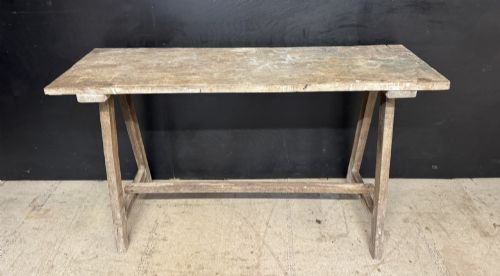
Hallway Wood Bench
A hallway wood bench brings practical seating and period character to an entrance, offering sturdy utility for daily coming and going.
Hallway Wood Bench
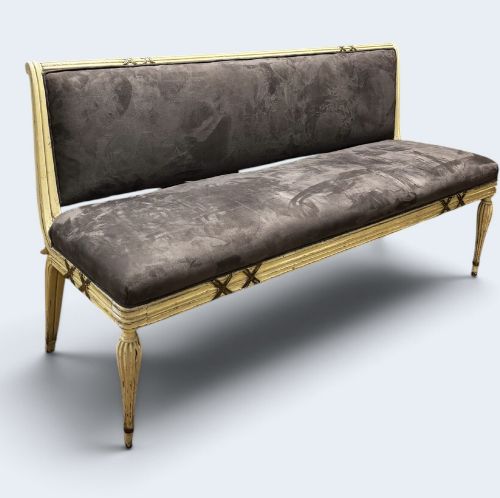
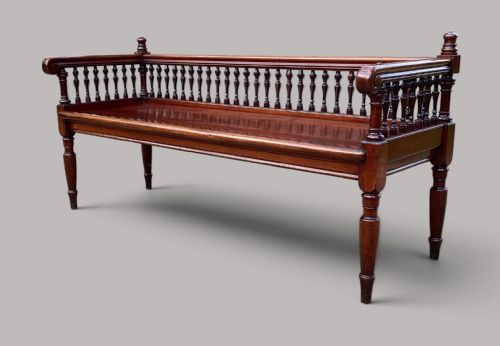
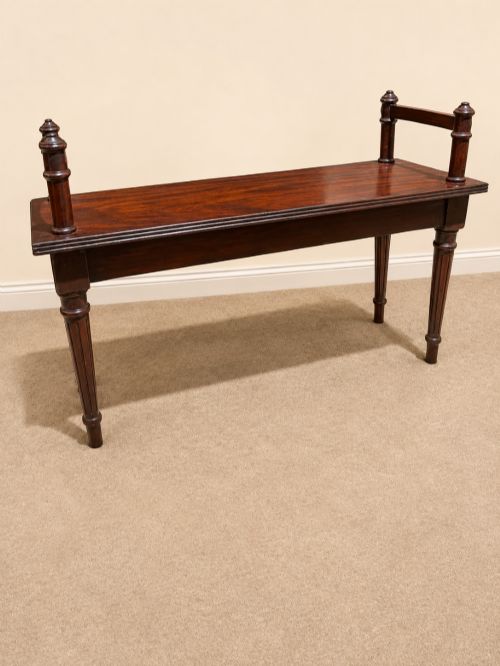
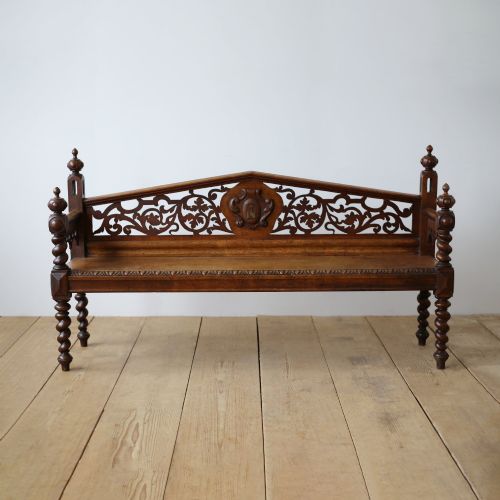
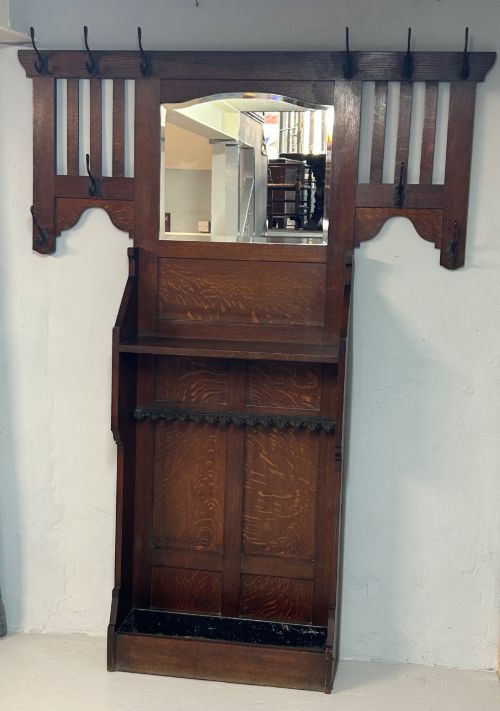
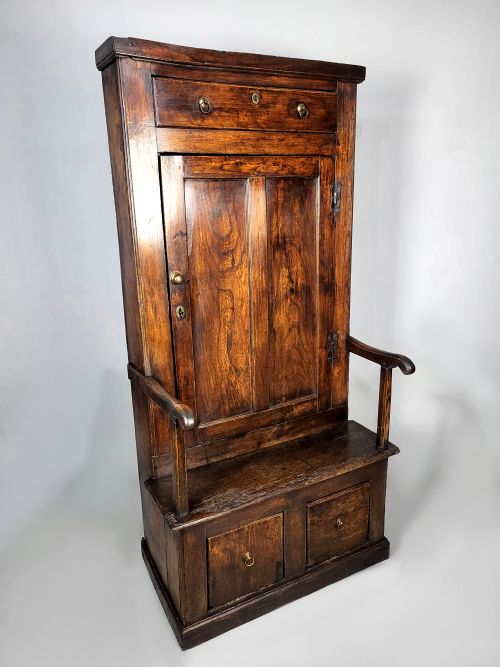
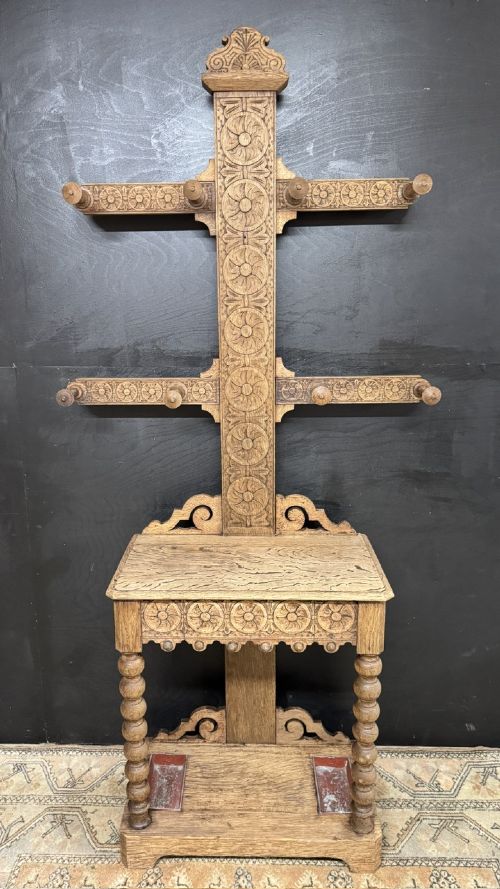
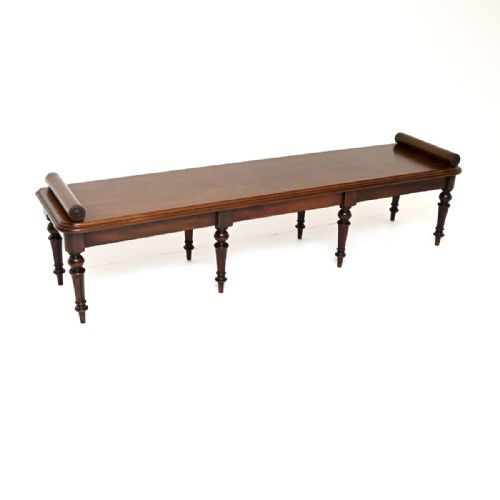
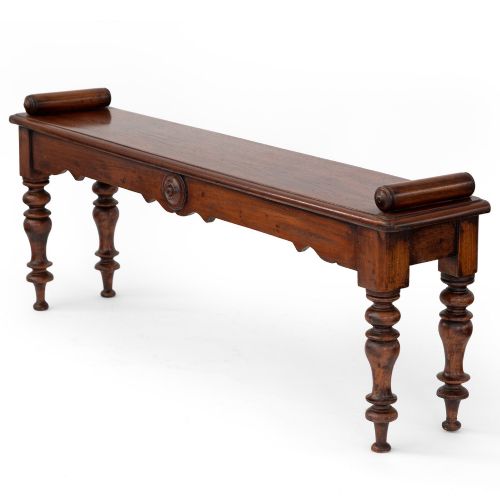
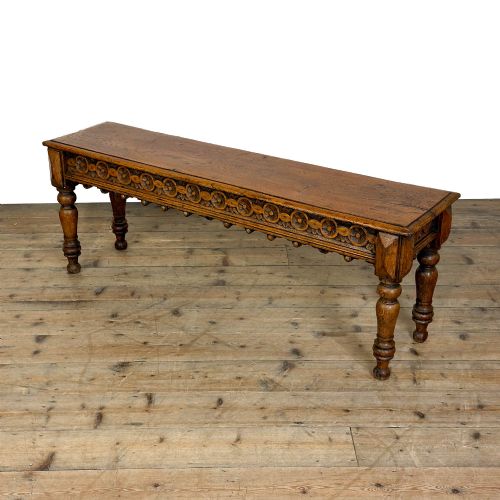
A hallway wood bench serves as a functional seating option in entrance spaces, drawing from a variety of historical periods and regional designs. Buyers searching for a hallway wood bench encounter forms ranging from simple plank constructions to elaborate carved settles and window seats.
The pieces appearing on this page span the 18th, 19th, and early 20th centuries, encompassing styles such as Victorian, Edwardian, Regency, and Jacobean Revival. Oak and pine dominate the material palette, often shaped into high-back settles, box seats, or long benches designed specifically for narrow thoroughfares.
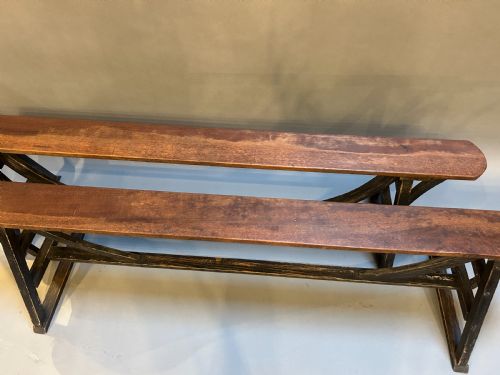
Origins vary widely, including English country pieces, French laundry tables, Swedish seating, and Italian painted examples. This diversity ensures that an entrance can accommodate either a modest rustic pine bench or a substantial carved oak hall seat with integrated storage.
Construction and Materials
Makers relied primarily on solid timbers such as oak, mahogany, and pine, selecting each wood for its structural strength and grain pattern. Cabinetmakers and country joiners utilised traditional joinery techniques, employing panels, pegs, and plank construction to build seating capable of enduring heavy daily use.
Surface treatments range from simple wax finishes and natural patination to painted surfaces, gilt accents, and detailed floral or figural carving. Metal elements like brass fixtures appear selectively, while fabric upholstery occasionally supplements wooden window seats and ottomans.
Hallway Wood Bench Retail Price Guide 2026
Typical asking prices for hallway wood bench among the pieces listed under this phrase on Sellingantiques today, from the lower quarter to the upper quarter. They describe what is for sale here now, not the wider market.
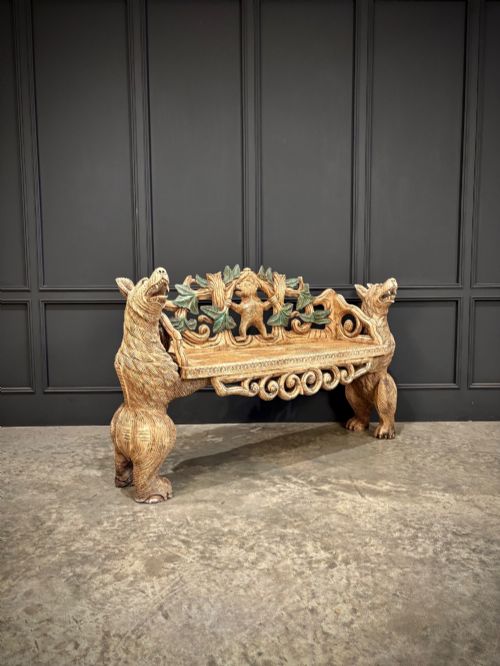
A grinning Black Forest bear stands ready to hold your walking stick.
Assessing Quality and Craftsmanship
Quality in these benches rests on the integrity of the timber and the precision of the construction, distinguishing robust architectural joinery from simpler utilitarian builds. Heavy oak settles with deep paneling and intricate hand-carving represent a higher tier of workmanship than basic plank seats.
The preservation of original surfaces, hardware, and structural elements governs the standing of each piece. Finer examples retain their original patination and fitted storage compartments, while lesser items show extensive later alterations or replacement timbers.
The Hallway Wood Bench Glossary
- Settle
- A wooden bench with a high back, solid arms, and frequently a box base for storage. It was historically placed near firesides or in hallways to block drafts.
- Box Settle
- A bench featuring a hinged seat that opens to reveal a compartment beneath. This design maximises utility in entrance spaces by concealing clutter.
- Window Seat
- A long, narrow bench constructed to fit beneath a window frame. Examples often feature upholstered tops or carved wooden frames in mahogany and oak.
- Monks Bench
- A convertible piece of furniture functioning as a bench with a backrest that tilts forward to form a table top. This form combines seating with surface utility.
- Patina
- The surface sheen and colour developed by wood over decades of handling, exposure, and polishing. A rich patina indicates age and continuous use.
Hallway Wood Bench: Frequently Asked Questions
How were hallway wood benches used historically?
These benches provided practical seating in entrance halls for putting on or removing footwear before entering the main rooms of a house. Many incorporated enclosed box seats or high backs to store outdoor garments and block cold drafts from the door.
Over time, they evolved from utilitarian farmhouse and pub furnishings into decorative architectural statements in grander Victorian and Edwardian hallway spaces.
Where should I place a hallway wood bench?
A hallway wood bench fits naturally along an entrance corridor, narrow passage, or boot room where compact seating is required. Measuring the depth of the passageway helps ensure doors and drawers can open freely.
Matching the bench scale to the wall length prevents the piece from overwhelming a compact hallway while maintaining a functional walkway.
How do I care for antique wooden benches?
Maintaining wooden benches involves applying occasional clear beeswax to nourish the timber and preserve the historic surface sheen. Placing them away from direct heat sources prevents the wood from drying out or splitting.
Regular dusting with a soft, dry cloth protects the grain and carved details from accumulating grime over years of daily use.