

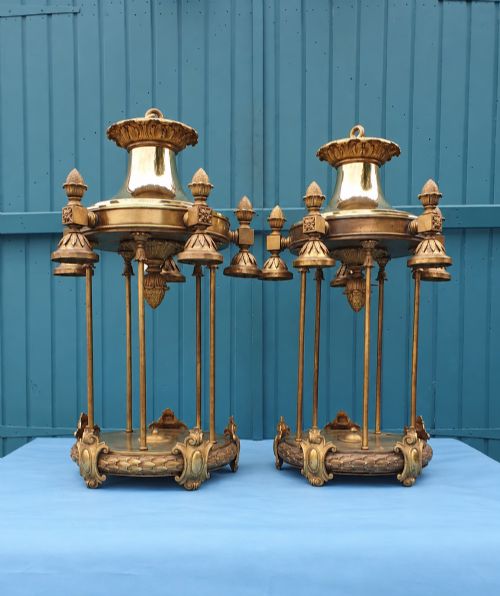
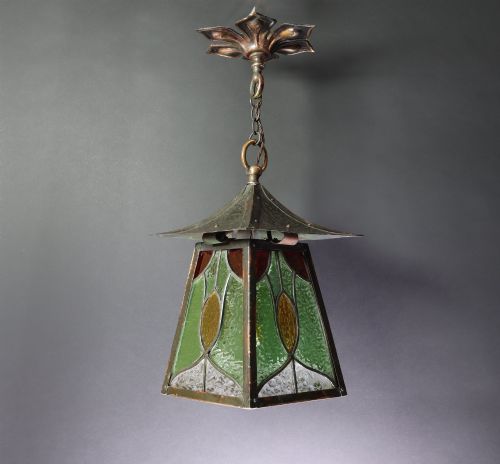
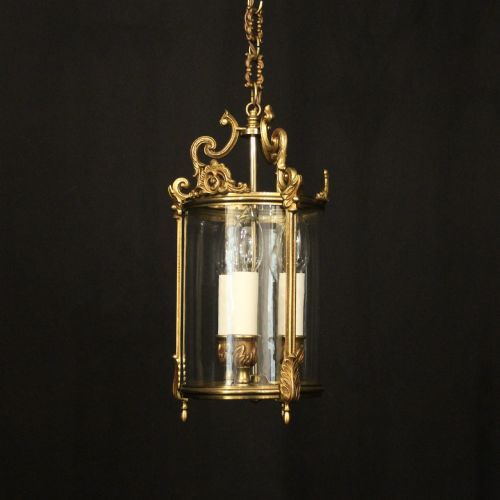

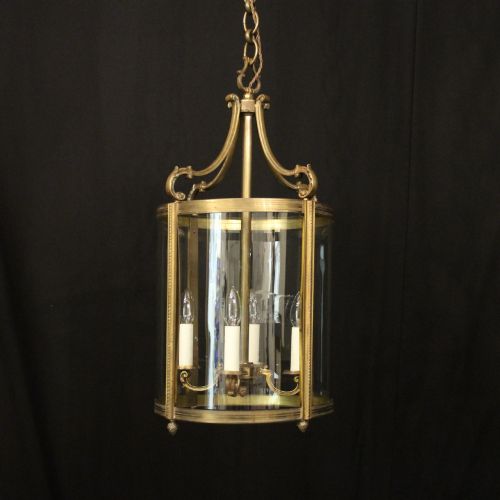
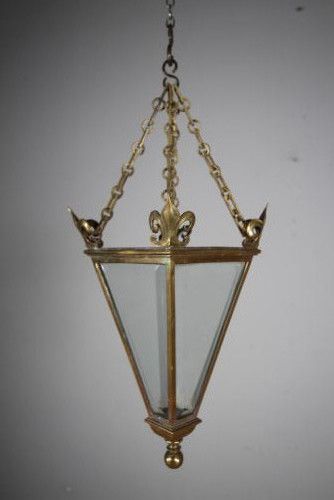
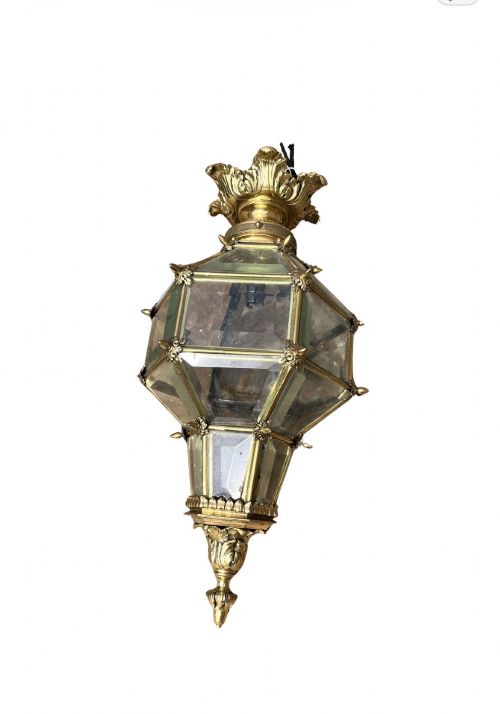
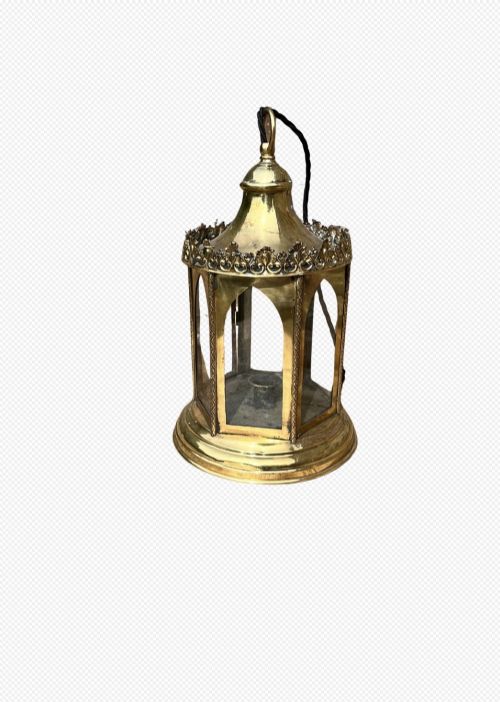
Hallway Ceiling Lantern
A hallway ceiling lantern sets the tone for an entire interior, casting warm light downwards through glass panels framed in brass, copper, or bronze.
Hallway Ceiling Lantern
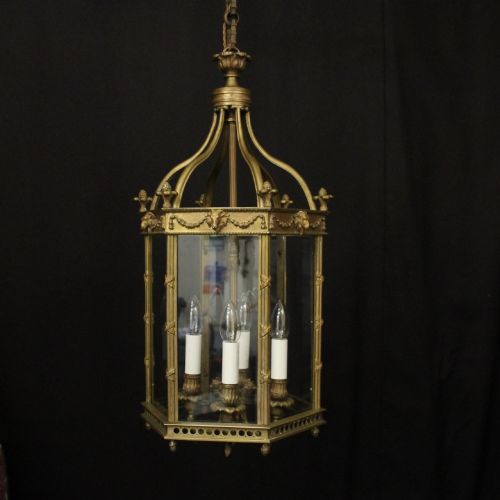
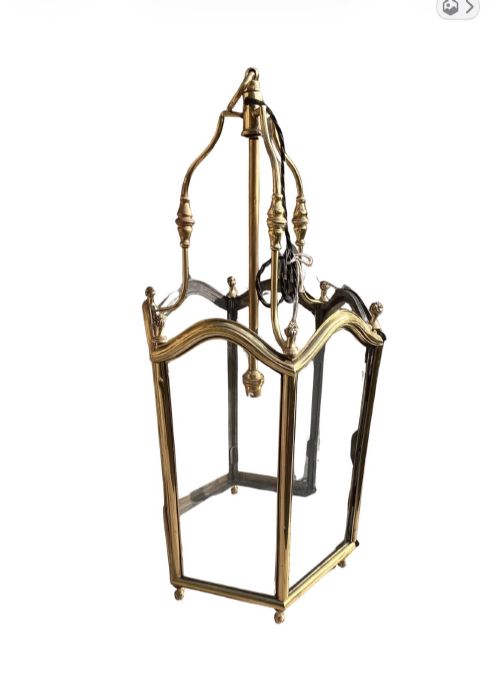
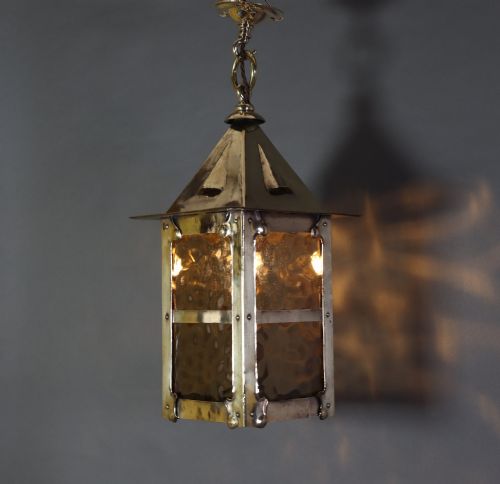
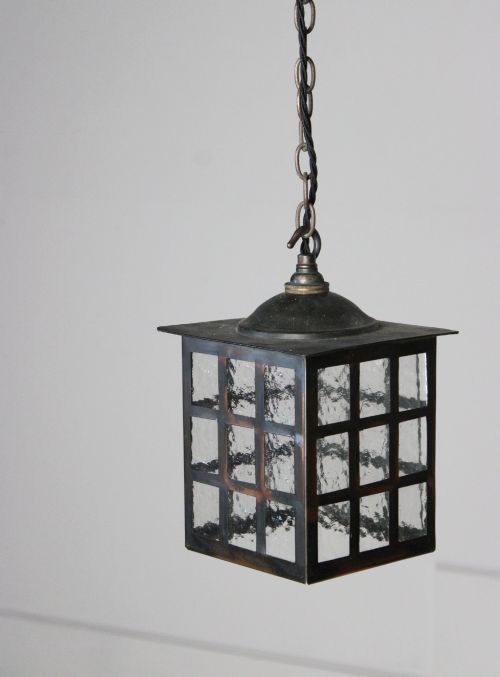
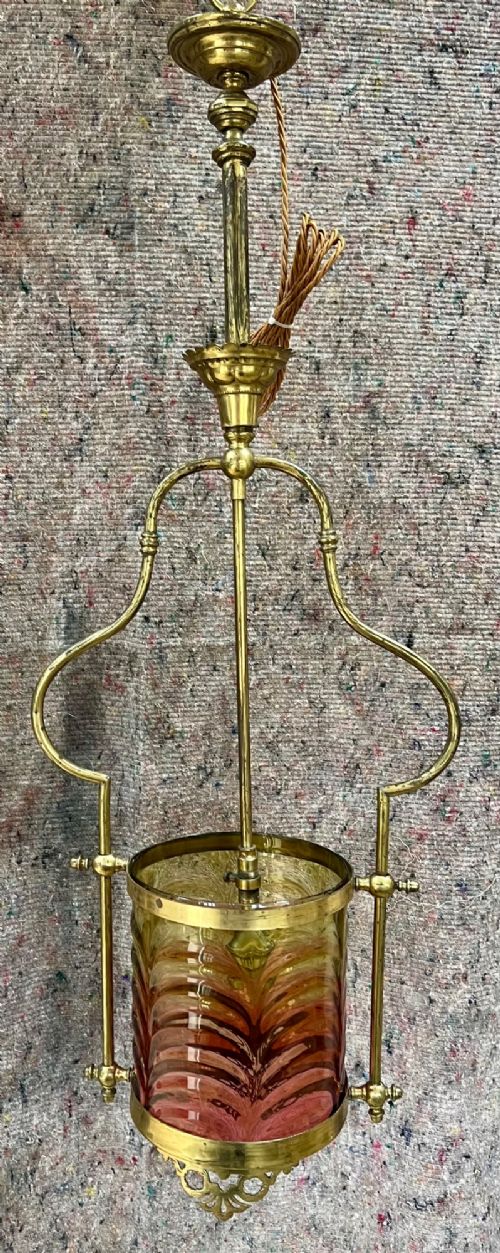
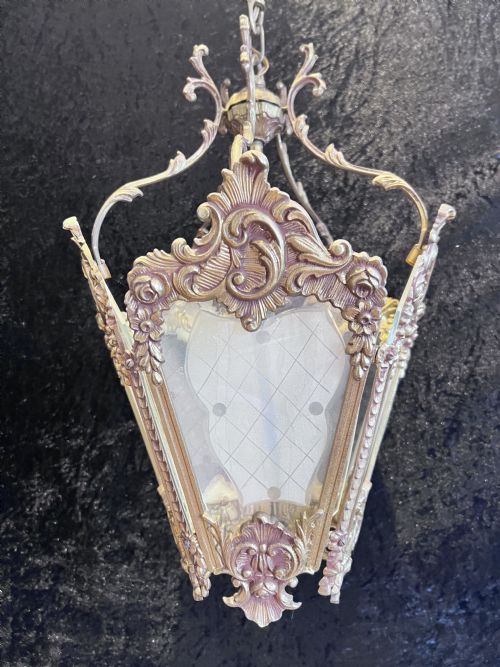
A hallway ceiling lantern provides overhead illumination in entrance spaces, typically suspended close to the ceiling or on a short drop. When you search for a hallway ceiling lantern, you encounter forms ranging from simple geometric shapes to elaborate French chateau designs.
The selections span the Victorian, Edwardian, and Art Deco periods, alongside French Louis XVI and Arts and Crafts styles. Brass frames holding glass panes predominate, accompanied by examples in copper, bronze, and wrought iron.
How they were made
Metals such as brass, bronze, copper, and lead form the structural frames of these fixtures, shaped through casting, beating, and soldering. Molten or sheet metal was worked by hand to create supporting ribs, collars, and decorative mounts.
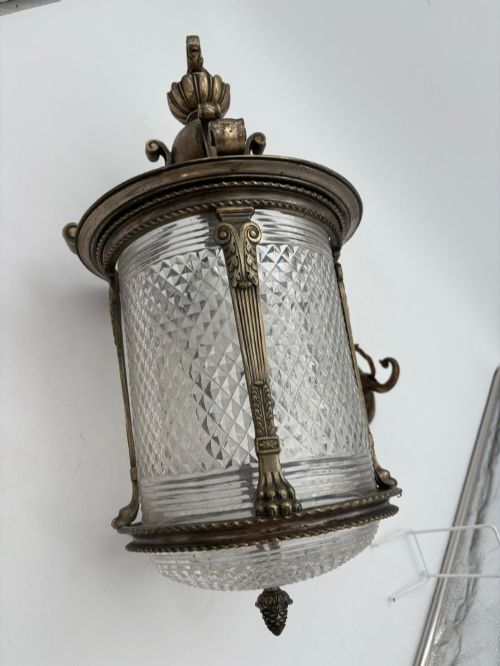
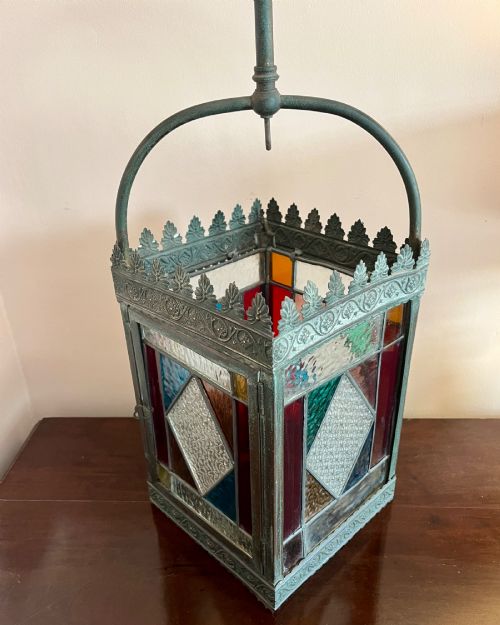
Glazing techniques involve fitted panes of clear, frosted, leaded, stained, or cut glass secured within the metal framework. Individual glass segments are held in place by lead cames or metal glazing bars to form square, round, or hexagonal geometries.
Hallway Ceiling Lantern Retail Price Guide 2026
Typical asking prices for hallway ceiling lantern among the pieces listed under this phrase on Sellingantiques today, from the lower quarter to the upper quarter. They describe what is for sale here now, not the wider market.
The listings span the nineteenth century through the 1940s, encompassing Victorian, Edwardian, Art Deco, and Arts and Crafts movements.
What varies in quality
The calibre of a lantern depends upon the weight of its metal casting and the crispness of its decorative details. Heavier gauge brass or gilded bronze maintains structural integrity and shows deeper relief work on mounts and frames.
The execution of the glass panels dictates the refinement of the piece, with bevelled, cut, or stained glass representing higher levels of artisan skill than plain flat panes. Original fixings and harmonious proportions between metalwork and glass elevate the overall standard.
The Hallway Ceiling Lantern Glossary
- Lead glass
- Glass containing lead oxide, which increases clarity and weight while allowing for decorative cutting. It catches and refracts light effectively within an enclosed frame.
- Gilt bronze
- Bronze metal that has been coated with a thin layer of gold or gold leaf. This finish provides a durable, lustrous surface popular in French revival lighting.
- Arts and Crafts
- A design movement prioritising traditional craftsmanship and simple forms over mass production. Lanterns from this style often feature honest construction in brass and copper.
- Hexagonal
- A six-sided geometric form frequently used for the plan view of hall lanterns. This shape allows multiple glass panels to distribute light evenly across a space.
Hallway Ceiling Lantern: Frequently Asked Questions
How high should I hang my lantern?
Hang the fixture to ensure adequate clearance beneath for passage, typically leaving at least seven feet of space from the floor to the bottom of the pendant.
In high-ceilinged entrance halls, a slightly longer drop improves visual balance and illuminates the lower walls more effectively.
Can these lanterns be used outdoors?
Most antique hallway ceiling lanterns were designed for interior vestibules or protected porches rather than exposed exterior locations. Weatherproofing on older fittings rarely meets modern outdoor electrical standards.
Check the wiring and construction carefully if placing the light in a damp environment such as an open porch.
How do I clean the glass panels?
Remove dust with a soft, dry cloth before applying a mild glass cleaner to the interior and exterior panes. Avoid harsh chemical sprays that might discolour aged brass or bronze frames.
Take care around leaded joints and stained glass sections to prevent loosening the delicate metal cames holding the panes.
Are these lights compatible with modern wiring?
Many period lanterns have been rewired for contemporary electrical systems while retaining their original metalwork and sockets. An electrician can easily adapt most hanging fixtures to accept standard modern bulbs.
Ensure the internal lampholder matches the wattage and voltage requirements of your domestic circuit before installation.