



Hallway Accent Table
A hallway accent table welcomes visitors with practical surface space and distinct period character.
Hallway Accent Table
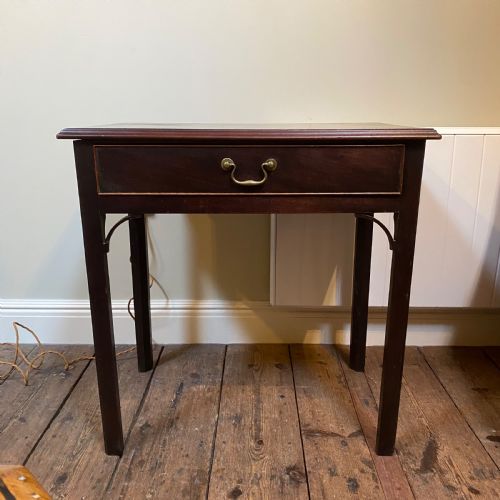
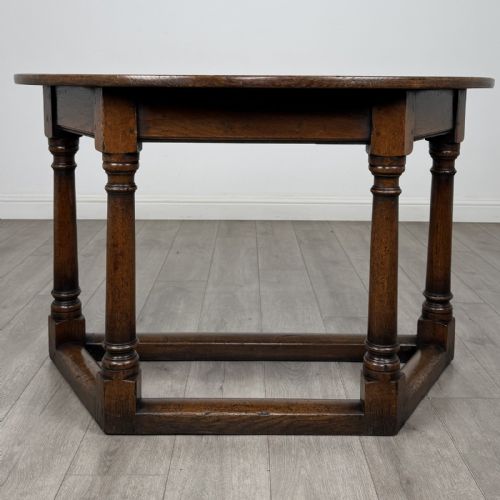
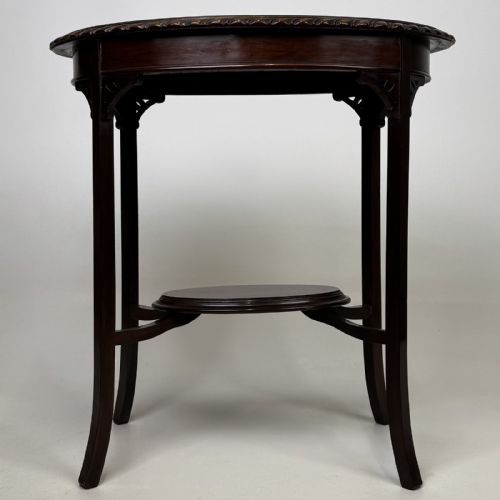
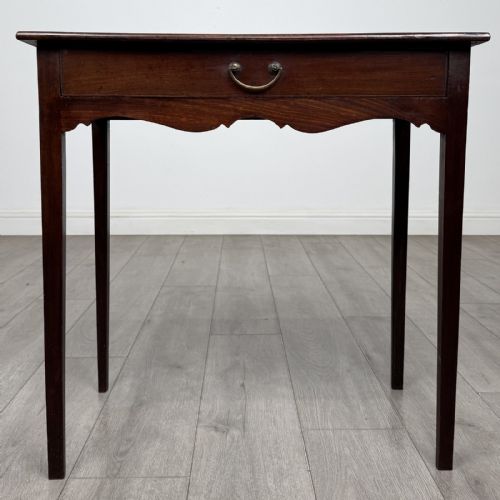
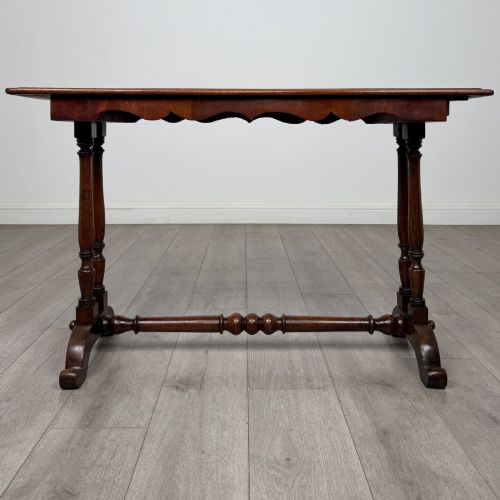
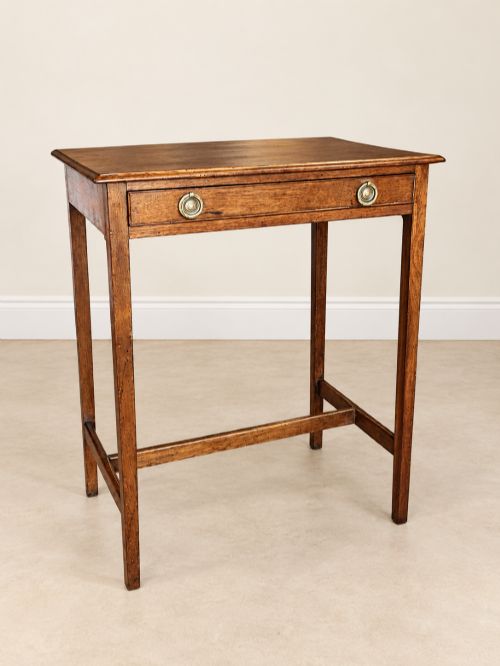
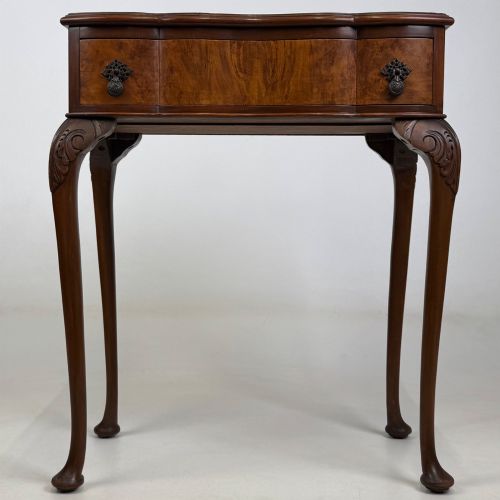
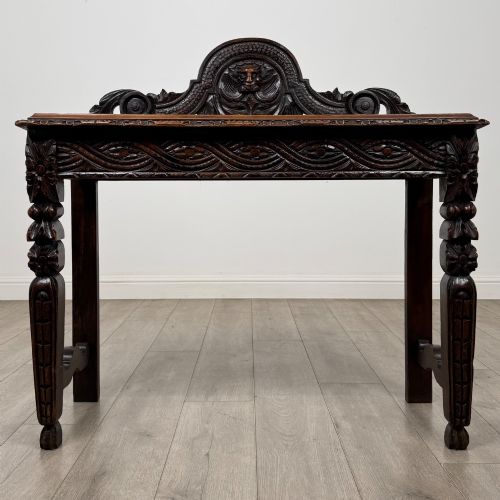
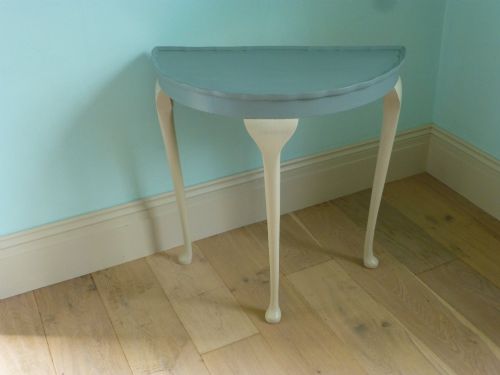
When you search for a hallway accent table, you encounter a varied selection of compact occasional pieces designed to fit narrow spaces and transitional areas of the home. These items take many forms, including side tables, console tables, lowboys, and demilune shapes suited to standing against a wall.
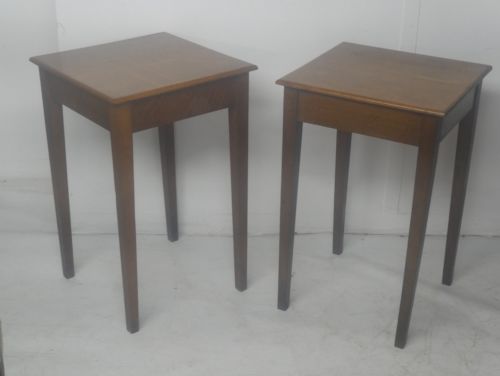
The pieces appearing here span several centuries and stylistic traditions, ranging from heavy 18th-century oak designs to lighter Edwardian mahogany and walnut creations. You will frequently meet utilitarian side tables with single drawers, alongside decorative console cabinets and industrial iron bases.
Origins and regional styles introduce further variety, with English country, Scottish country, Georgian, and Victorian examples dominating the selection. Whether you need a lowboy for modest proportions or a larger console for a wide entrance, the form adapts directly to domestic architectural requirements.
Materials and construction methods
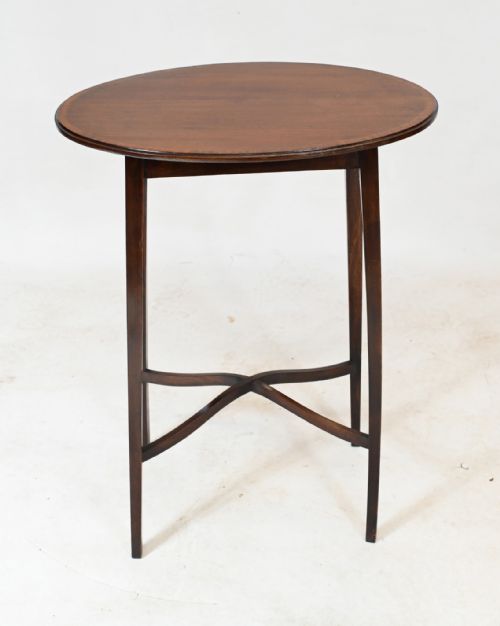
Makers relied primarily on timber, utilising native and imported hardwoods like mahogany, oak, walnut, and satinwood alongside painted wood surfaces. Joinery techniques and wood selection dictate the structural integrity of these tables, often enhanced by turned stretchers, cabriole legs, or inlaid details.
Secondary materials appear selectively across different periods, such as brass hardware, iron bases adapted from sewing machinery, and decorative carvings including green man motifs or gadrooned edges. These varied components reflect both traditional cabinet-making skills and changing industrial practices through the 19th and early 20th centuries.
Hallway Accent Table Retail Price Guide 2026
Typical asking prices for hallway accent table among the pieces listed under this phrase on Sellingantiques today, from the lower quarter to the upper quarter. They describe what is for sale here now, not the wider market.
One unexpected table stands proudly on a repurposed sewing machine base, proving Victorians loved a clever practical hack.
Distinctions in quality
Quality rests upon the choice of timber and the precision of the cabinet-making, distinguishing finely figured walnut and well-selected mahogany from plain secondary woods. Refined proportions and crisp execution of carved elements, such as cabriole legs or edge mouldings, elevate an everyday functional table into a superior piece.
The integrity of the original construction and surface finish determines the standing of a table. Retaining genuine period characteristics, such as original drawer linings or undisturbed patination on oak and mahogany, separates standard utility items from more desirable examples.
The Hallway Accent Table Glossary
- Demilune
- A half-moon shape used for tables designed to sit flat against a hallway wall. This curved form maximises floor space in narrow entryways.
- Lowboy
- A small table with one or more rows of drawers, standing on relatively tall legs. They originated in the late 17th century and serve well as compact desks or side tables.
- Gadrooned edge
- A carved decorative border featuring convex curves or reed motifs. It frequently appears along the top rim of formal tables.
- Stretcher
- A horizontal support connecting the legs of a table for added stability. Turned stretchers are common in 19th-century and earlier oak furniture.
- Console table
- A table fixed to a wall or designed to stand against one, often supported by ornate legs or brackets. They provide a narrow surface for display in hallways.
Hallway Accent Table: Frequently Asked Questions
What is a hallway accent table used for?
These tables provide a practical surface in narrow spaces for dropping keys, placing lamps, or displaying decorative objects.
Their compact depths allow them to sit flush against walls without obstructing thoroughfares in entrance halls and landings.
How do I choose the right size?
Measure the available wall space and walkway clearance carefully before selecting a table. Demilune and lowboy formats offer shallower footprints for tight corridors.
Consider drawer requirements if you need concealed storage for small everyday items.
How do I distinguish Edwardian pieces from earlier ones?
Edwardian tables often feature lighter timbers, satinwood inlay, and refined Edwardian proportions dating around the early 20th century.
Earlier 18th- and early 19th-century examples generally display heavier oak or dense mahogany construction with hand-cut joinery.
Can I use an antique side table in a modern hallway?
Antique tables integrate easily into contemporary interiors by adding warmth, texture, and historical contrast.
Pairing a traditional mahogany or oak table with minimalist decor creates a striking focal point in an entrance.