


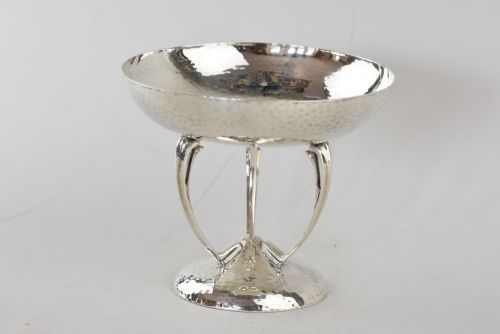
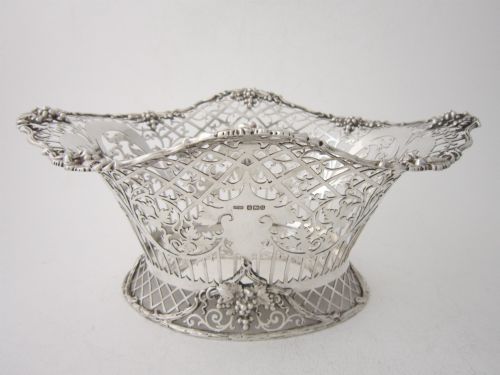
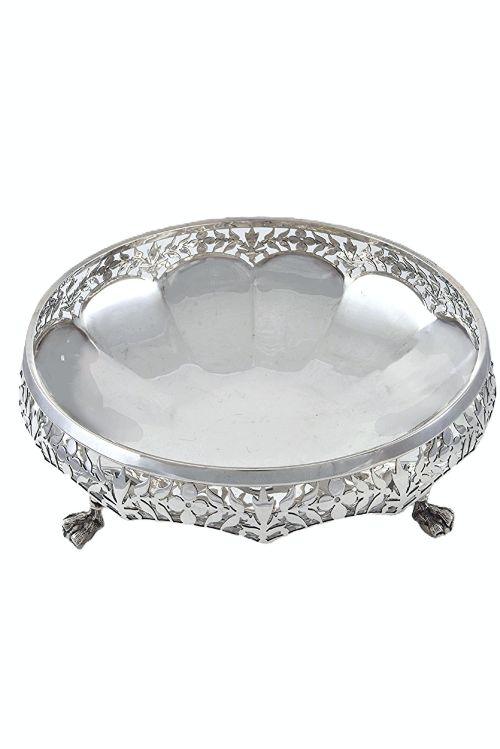
Hallmarked Sterling Dish
A hallmarked sterling dish brings solid silver and precious metals to the table, combining functional form with intricate period ornamentation.
Hallmarked Sterling Dish
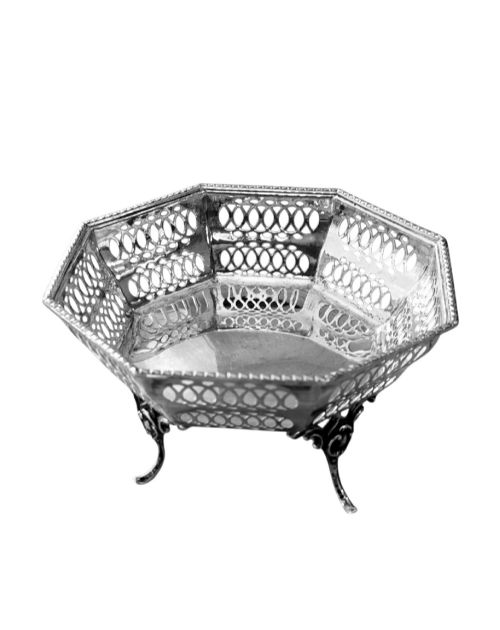
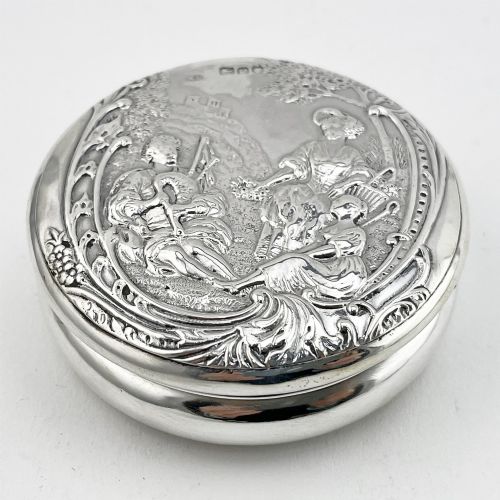
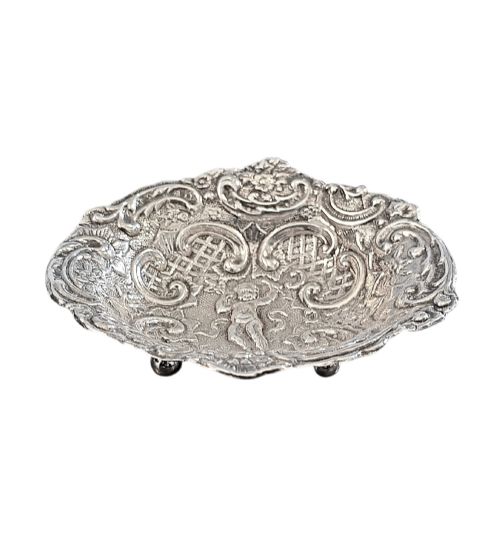
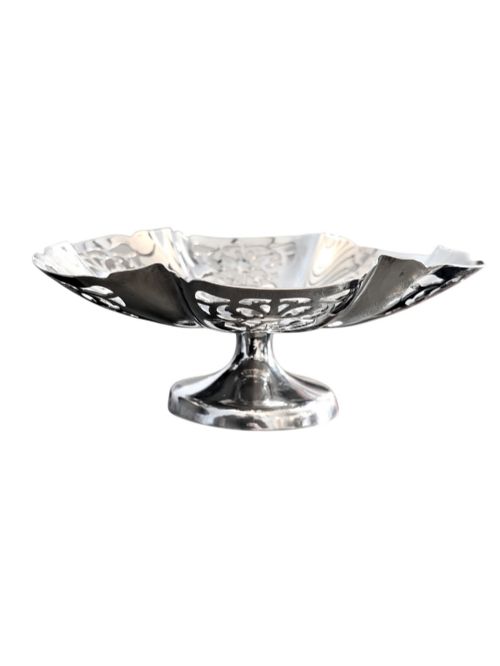
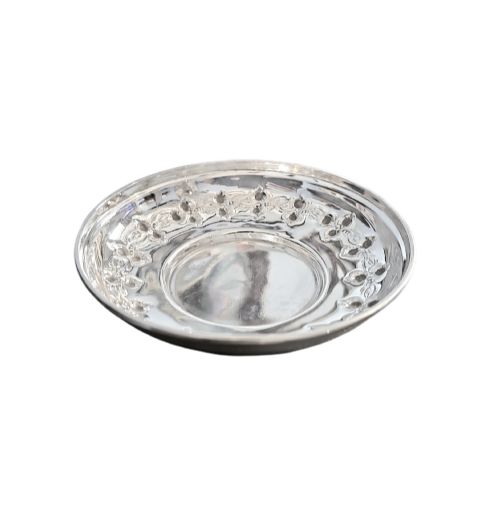
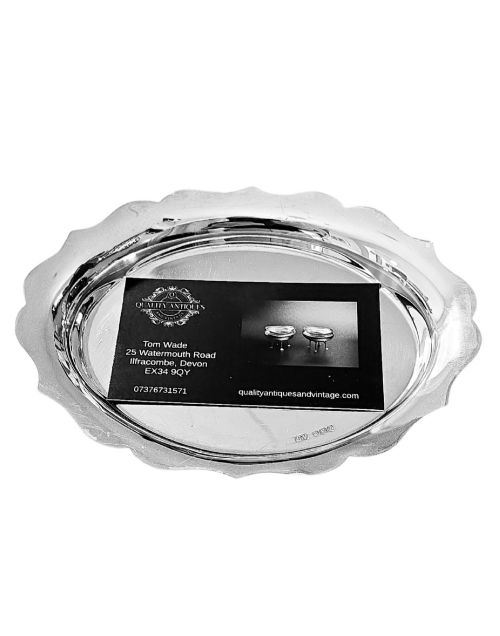
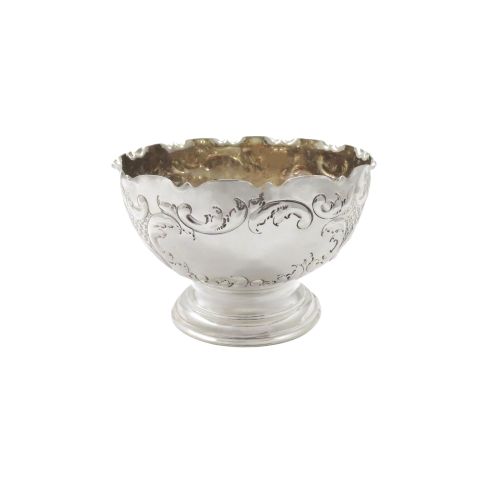
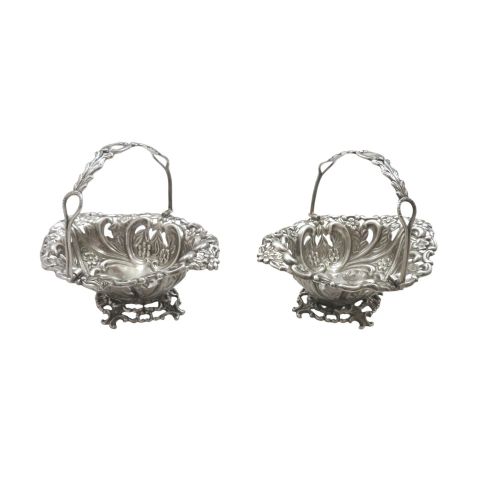
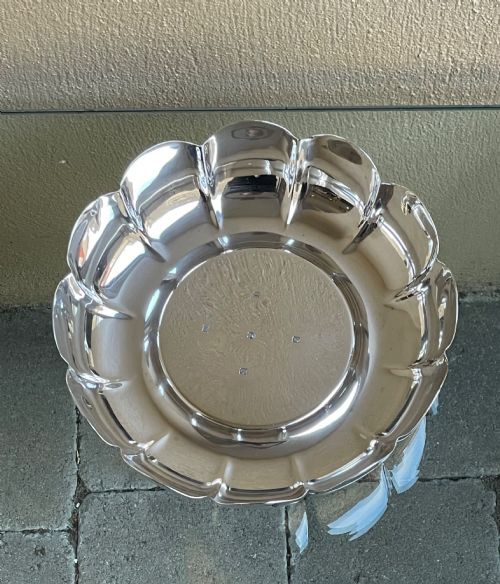
When you search for a hallmarked sterling dish, you encounter a diverse array of small silver vessels designed for domestic utility and display. The selection ranges from Victorian trinket boxes and Edwardian bonbon dishes to mid-century card trays and pierced baskets.
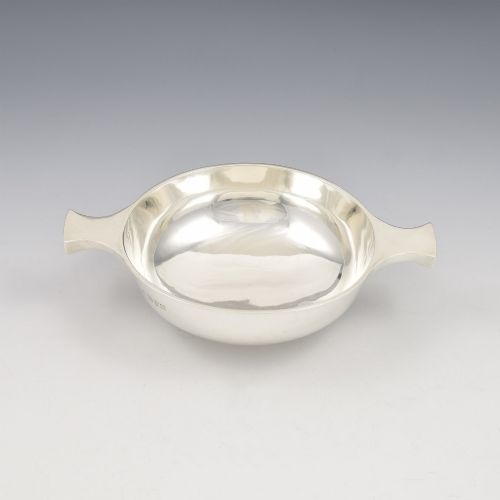
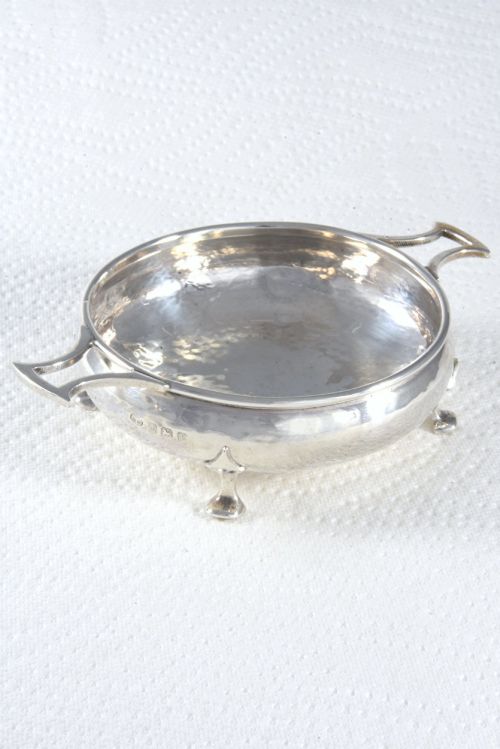
Most items you are likely to meet on this page originate from the Victorian, Edwardian, and George V eras, bearing official assay office stamps. Forms span from simple pin dishes and quaichs to elaborate pedestal bowls and lidded table boxes incorporating glass and tortoiseshell.
Materials and technique
Silversmiths utilised sterling silver alongside supportive elements like glass, tortoiseshell, velvet, and vitreous enamel to create durable yet decorative objects. Piercing, hammering, and repoussé techniques shaped the metal, creating raised floral motifs and openwork galleries.
Makers struck their pieces with full hallmarks to denote metal purity, assay town, and date, ensuring accountability in production. Artisans also combined silver with citrine and amethyst gemstones or fitted leather cases for presentation.
Hallmarked Sterling Dish Retail Price Guide 2026
Typical asking prices for hallmarked sterling dish among the pieces listed under this phrase on Sellingantiques today, from the lower quarter to the upper quarter. They describe what is for sale here now, not the wider market.
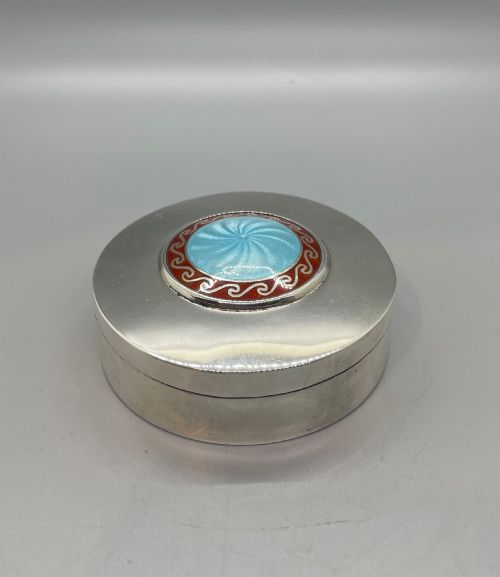
Materials appearing across the inventory include sterling silver, coloured glass, tortoiseshell, citrine, amethyst, and vitreous enamel.
What varies in quality
The standard of a sterling dish rests on the weight of the silver used and the crispness of the hand-chased repoussé work. Finer examples display deep, deliberate ornamentation and secure hinges on boxes rather than thin, pliable metal.
The involvement of known silversmiths and clear, legible town and date hallmarks elevate a piece. Integration of materials like undamaged vitreous enamel or unblemished tortoiseshell adds further distinction to the craftsmanship.
Synyer and Beddoes·William Aitken·Emile Viner·Thomas Bradbury and Sons·Nathan and Hayes·Goldsmiths and Silversmiths Company·Robert Pringle and Sons·Peter and Anne Bateman
The Hallmarked Sterling Dish Glossary
- Hallmark
- An official stamp applied by an assay office to guarantee the metal standard. These marks identify the maker, the city of testing, and the year of production.
- Repoussé
- A metalworking technique where the artisan hammers the silver from the reverse side to form a raised design on the front. This creates textured floral and figural scenes.
- Quaich
- A traditional two-handled drinking vessel of Scottish origin adapted into shallow bowls and dishes. They feature distinctive lug handles projecting from the rim.
- Bonbon dish
- A small, often footed or basket-style vessel created to hold sweets or confectionery. They frequently incorporate pierced or swing-handled designs.
- Guilloche enamel
- A decorative technique where translucent enamel is layered over engine-turned metalwork. This produces a patterned, glossy surface seen on Edwardian boxes.
Hallmarked Sterling Dish: Frequently Asked Questions
What is a sterling dish used for?
These vessels historically served practical domestic functions, holding visiting cards, sweets, sugar, or small personal trinkets on dressing tables and in reception rooms.
Today, collectors utilise them in similar ways as decorative desktop accessories or display items in cabinets.
How do I read a silver hallmark?
Assay office marks indicate the town of testing, such as an anchor for Birmingham or three wheat sheaves for Chester, alongside a standard purity symbol like a lion passant for sterling.
An assigned date letter reveals the exact year the item was submitted for testing.
How do I care for antique silver?
Gentle dusting and minimal cleaning preserve the natural patina that develops on antique metal surfaces over decades of handling.
Avoid abrasive polishes that can wear away thin repoussé details or damage delicate enamel and tortoiseshell panels.