




Hallmarked Silver Stick
A hallmarked silver stick brings together precious metal and practical design, taking the form of sturdy walking canes, slender cocktail picks and formal candlesticks.
Hallmarked Silver Stick
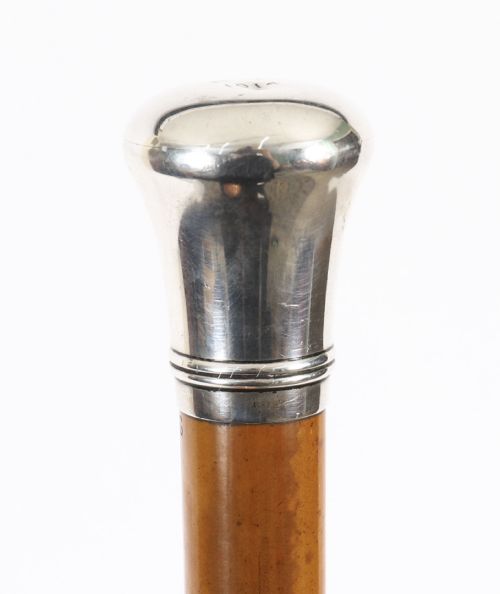
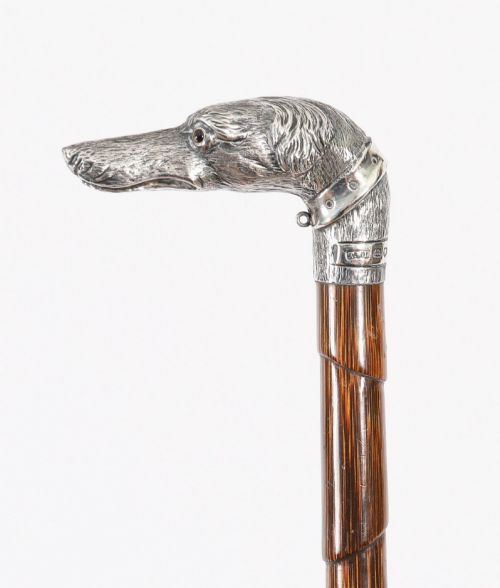
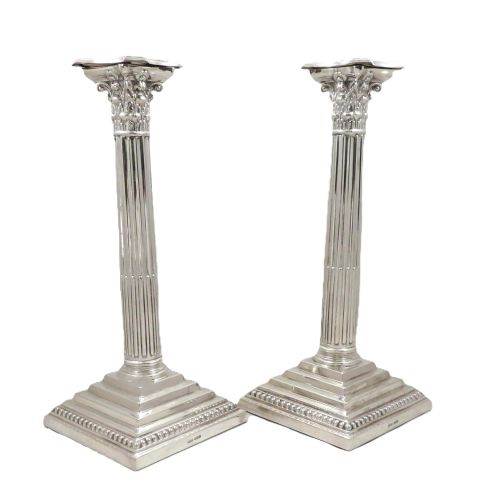
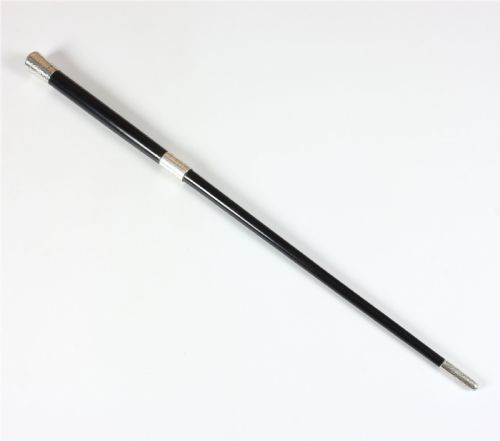
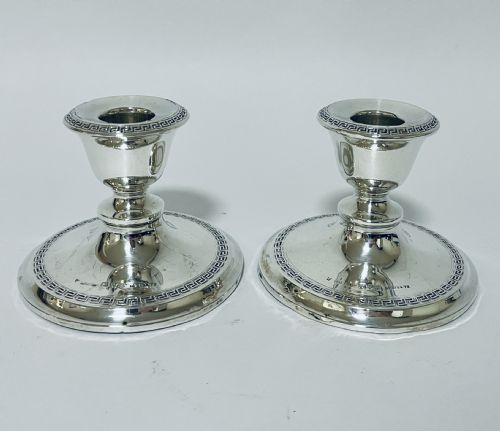
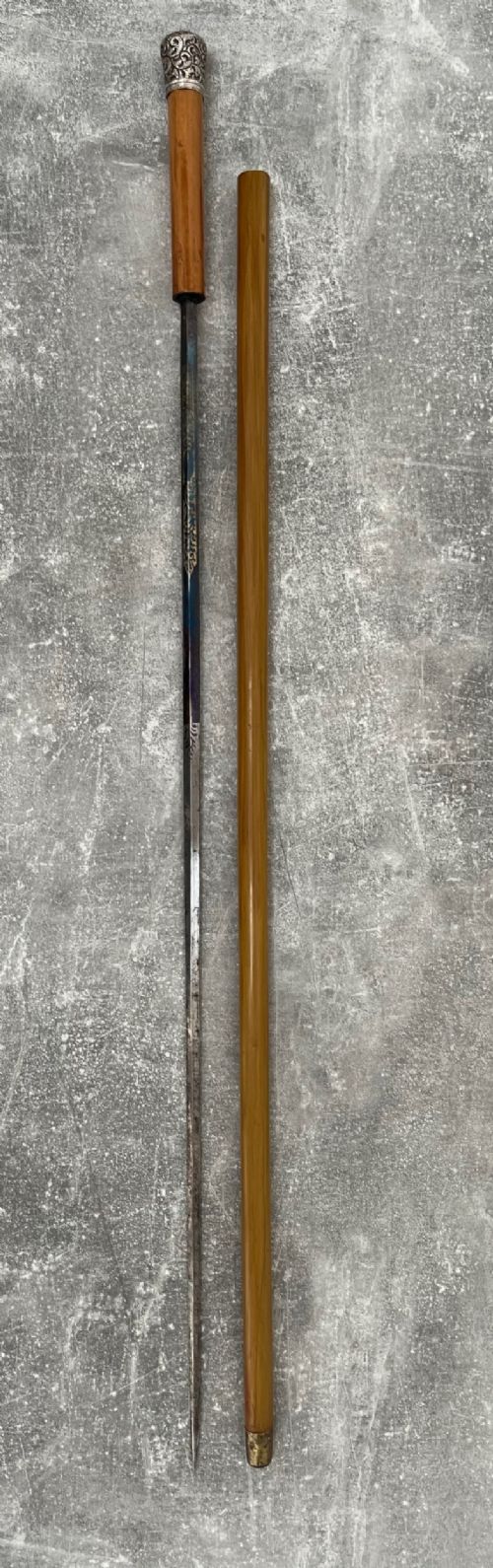
A hallmarked silver stick encompasses several distinct functional forms, most frequently appearing as walking canes with silver handles alongside domestic lighting items such as candlesticks and chambersticks. Walking stick examples range from plain shafts with silver collars to decorative pieces featuring modelled animal heads, while lighting forms span single tapersticks to pairs of column candlesticks. The selection also includes slender cocktail sticks and conductors' batons, reflecting the wide scope of objects fitted with precious metal mounts.
The pieces on this page span several centuries, with particular concentrations from the Victorian, Edwardian and Georgian periods extending into the mid-twentieth century. Walking sticks in the evidence utilise woods like ebony and malacca paired with silver mounts, whilst lighting pieces display styles from Neo-Classical columns to Rococo Revival forms. Buyers searching for a hallmarked silver stick will find items bearing assay office marks from London, Birmingham and Sheffield.
How they were made
Makers constructed these items by combining sterling silver with supporting materials such as hardwood, ebonised wood, bamboo, brass and steel. Walking canes typically pair a wooden shaft with a cast or repousse silver handle, secured by a hallmarked collar. Candlesticks and chambersticks utilise sheet silver formed into columns or sconces, often weighted internally to provide stability.
Techniques recorded in the evidence include repousse work for detailed handles, alongside cast structural elements such as Corinthian capitals on candlesticks. Metal components bear official assay marks stamped to verify the silver standard, alongside maker's marks that identify the workshops responsible for the metalwork.
Hallmarked Silver Stick Retail Price Guide 2026
Typical asking prices for hallmarked silver stick among the pieces listed under this phrase on Sellingantiques today, from the lower quarter to the upper quarter. They describe what is for sale here now, not the wider market.
A few canes conceal sharp blades within their shafts, offering Victorian pedestrians a discreet method of self-defence beneath an innocent silver handle.
What varies in quality
Quality in these items rests upon the crispness of the silver work and the integrity of the combination between metal and organic materials like wood or horn. Pieces featuring finely detailed animal handles, such as greyhound or swan heads, demonstrate superior modelling compared to plain utilitarian mounts. The presence of clear, well-preserved hallmarks across the components also elevates an object's standing.
Condition plays a central role, particularly regarding the straightness of wooden walking sticks and the absence of heavy dents in thin sheet silver candlesticks. The weight and substance of the metal distinguish substantial domestic lighting from lighter, more fragile examples. Matching pairs of candlesticks command attention when both retain their original proportions and undamaged silver surfaces.
Thomas A Scott·Barker Brothers·Walker And Hall·John Collard Vickery
The Hallmarked Silver Stick Glossary
- Hallmark
- A set of official marks stamped on precious metal items to guarantee the purity of the silver, typically including the maker's mark, standard mark, assay office mark and date letter.
- Repousse
- A metalworking technique where the silver is hammered from the reverse side to create a raised design in relief on the front. This method appears on decorative cane handles and ornamental mounts.
- Chamberstick
- A low candlestick fitted with a handle and a shallow pan to catch melting wax, designed for carrying about a house at night. These portable pieces often include a matching conical snuffer.
- Taperstick
- A small, slender version of a candlestick designed to hold a thin wax taper used for melting sealing wax on letters. They share the construction methods of larger candlesticks but on a reduced scale.
- Malacca
- A type of rattan cane prized for its strength and rich brown mottled appearance, frequently utilised as the shaft for nineteenth-century walking sticks fitted with silver tops.
Hallmarked Silver Stick: Frequently Asked Questions
How do I date a silver stick?
Dating relies primarily upon the stamped hallmarks found on the silver components. These marks include specific letters and symbols that correspond to the year the piece was assayed and entered the market.
Additional clues come from the overall style, such as Neo-Classical columns on candlesticks or the specific wood and construction methods used for walking sticks.
Are walking sticks with silver handles strong?
The structural strength depends on the wooden shaft and how securely the silver mount is attached to the top. Hardwoods like ebony and malacca provide durable foundations for daily use.
Collectors should inspect the collar where the silver meets the wood to ensure the joint remains firm and free from movement.
How should I clean silver mounts on wood?
Cleaning requires careful application of silver polish using a soft cloth, taking care to avoid getting moisture or polish onto the wooden shaft. Protective barriers on woods like ebony or malacca can be easily damaged by harsh chemical cleaners.
Gentle wiping preserves both the integrity of the wood and the stamped hallmarks on the metal.