
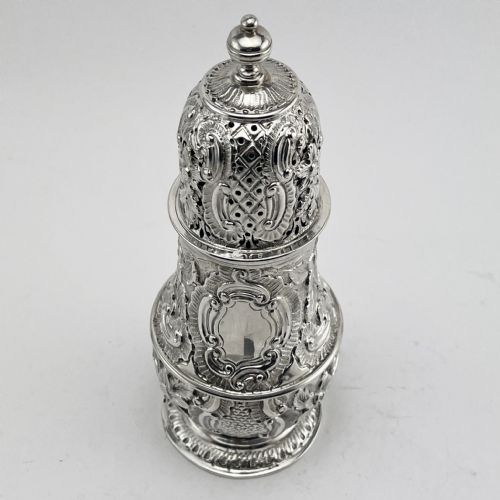


Hallmarked Silver Shaker
These pieces of hallmarked silver shaker bring formal dining table history straight to your kitchen, offering refined period craftsmanship.
Hallmarked Silver Shaker
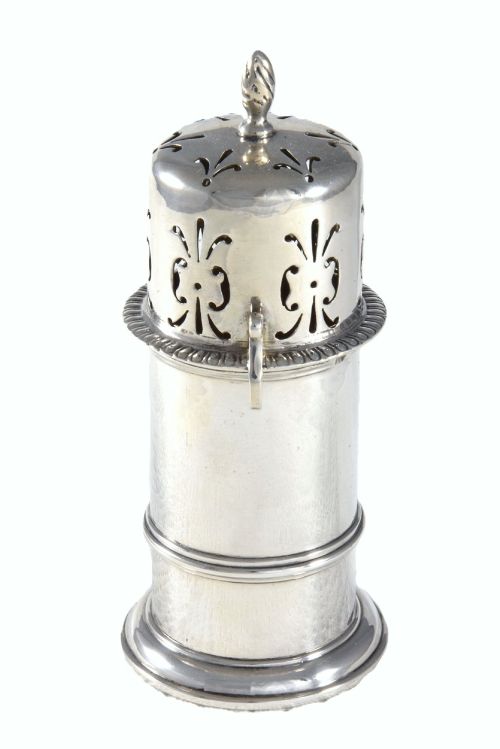
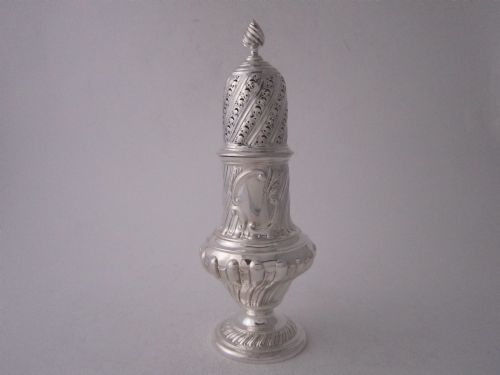
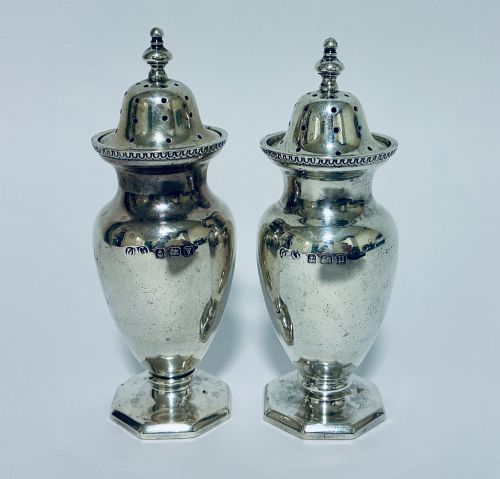
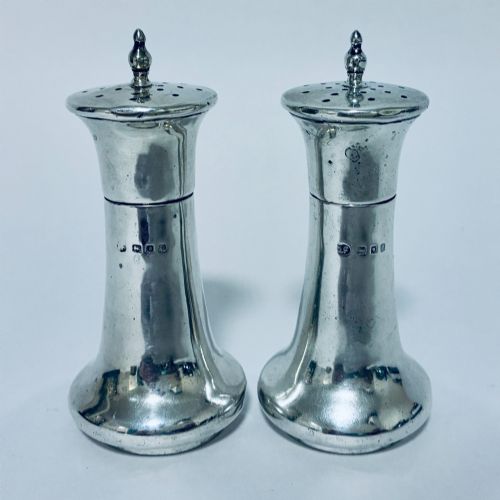
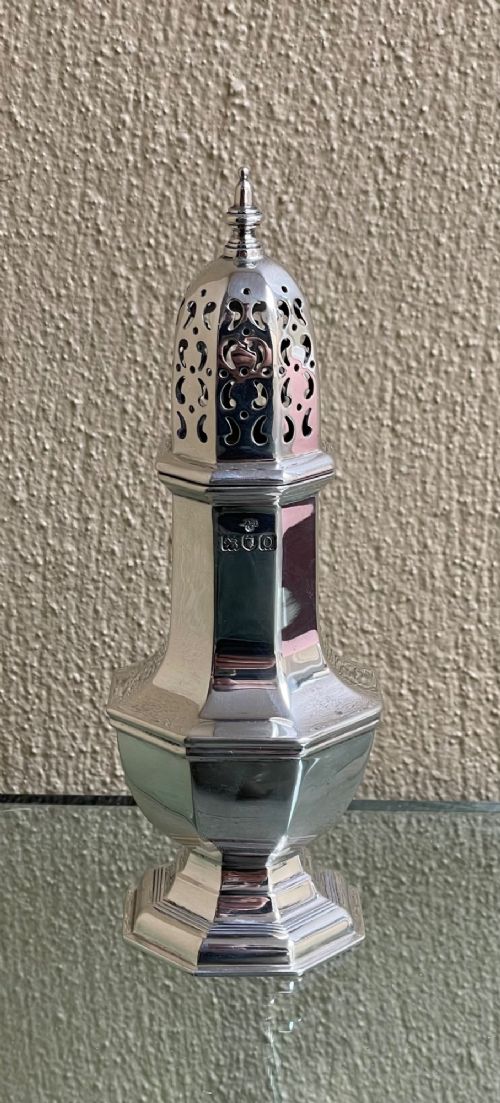
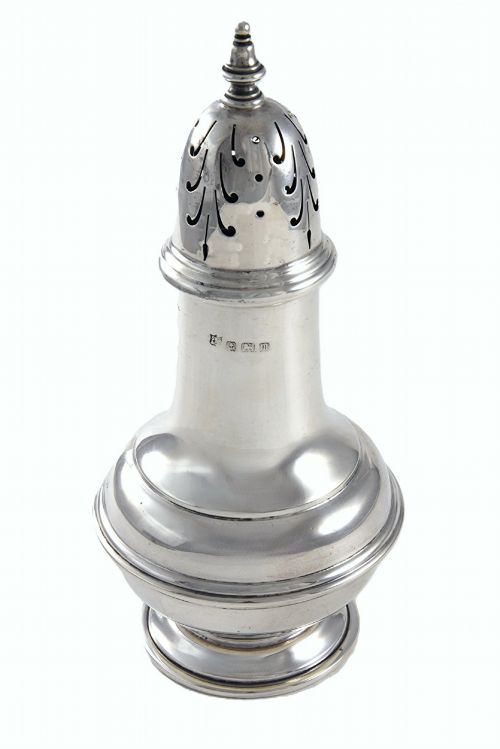
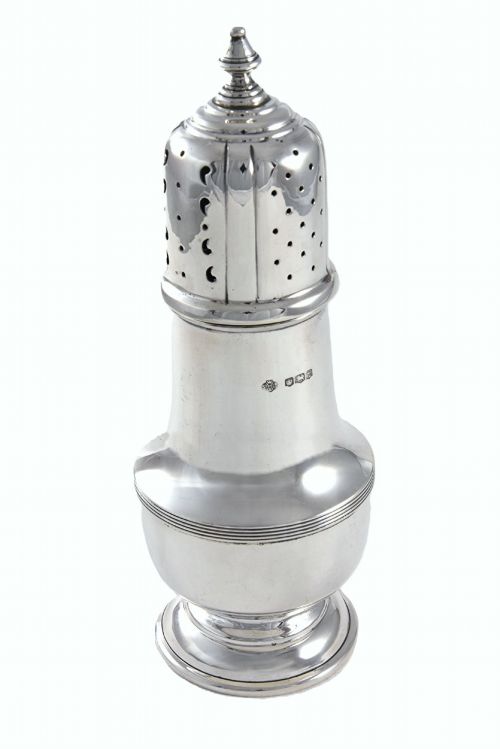
A hallmarked silver shaker covers everything from tall sugar casters and pepper pots to novelty baby peppers and twin pomanders designed for the dining table. You are most likely to meet solid silver sugar casters and pairs of pepper pots dating from the Victorian and Edwardian eras through to the Art Deco period.
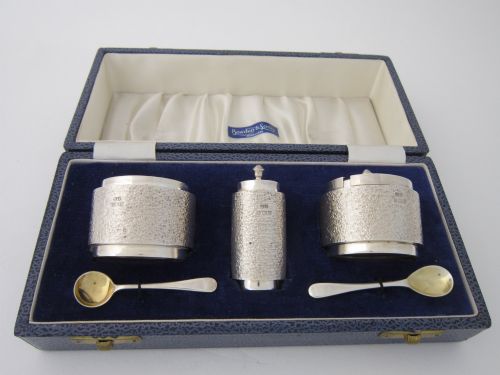
The selection ranges across single sugar sifters with pierced lids to complete condiment sets and cased cruets. Makers utilised sterling silver, glass, and silver-gilt alongside velvet and satin linings to create functional tableware.
Styles span from traditional Victorian and Edwardian forms to Georgian Revival and Mid-Century Modern polygon sides. Each piece carries official assay office hallmarks to verify its metal standard and date of manufacture.
Materials and construction
Silversmiths formed these items using solid sterling silver or combined cut glass bodies with silver mounts and pierced screw-on tops. Interiors often received a layer of silver-gilt to protect the metal from the corrosive nature of condiments.
Piercing techniques created the patterned holes on top of sugar casters and pepper pots, allowing contents to shake out evenly. Engraving, polygonal faceting, and novelty figural casting shaped birds, cornucopias, and lighthouse silhouettes.
Listings feature items spanning the Victorian, Edwardian, Art Deco, and Mid-Century Modern periods, utilising sterling silver, cut glass, and silver-gilt.
Assessing the craftsmanship
Quality rests on the crispness of the piercing work on the lid and the weight of the solid silver used in the body. Thicker metal resists denting, while sharply detailed casting distinguishes standard pepper pots from novelty animal forms.
Clear, legible hallmarks showing the maker mark, assay office, and date letter ensure authenticity and traceability. The integration of cut glass with silver collars requires precise fitting to maintain structural stability over decades of use.
Barker Brothers·James Dixon & Sons Ltd·Horace Woodward & Co Ltd·Thomas Johnson·Wilmot Manufacturing Co·Viners
The Hallmarked Silver Shaker Glossary
- Hallmark
- A series of official marks stamped on items to indicate the silver standard, assay office, and year of making. These small punches provide the primary evidence for dating an antique.
- Caster
- A small container with a pierced top used for sprinkling sugar or spices over food. They frequently appear in tall, baluster or lighthouse forms.
- Condiment set
- A matched group of tableware vessels holding salt, pepper, and mustard for the dining table. Sets often arrive in fitted presentation boxes.
- Silver-gilt
- Sterling silver that has been coated with a thin layer of gold on the interior surface. This technique prevents acidic contents from tarnishing the metal.
Hallmarked Silver Shaker: Frequently Asked Questions
How do I clean a silver shaker?
Use a soft cloth and a specialised silver cleaner to gently remove tarnish without scrubbing the hallmarks. Avoid abrasive materials that can wear down engraved details.
rinse the piece thoroughly in warm water and dry it immediately with a lint-free cloth to maintain the polished finish.
What is the difference between a caster and a shaker?
A caster traditionally refers to a taller vessel with a pierced lid used specifically for sprinkling sugar onto dishes. Shakers often describe smaller pots used for pepper and salt.
both types rely on perforated tops to dispense dry seasonings at the dining table.
Can I use these for daily dining?
Solid silver and cut glass pieces function well for everyday meals provided you empty and clean them after use. Salt and sugar can cause pitting if left inside the metal for long periods.
hand washing preserves the delicate interior silver-gilt and prevents damage to fitted lids.
How do hallmarks help date the item?
Assay office marks and date letters correspond to specific years of production recorded in historical registers. Finding these stamps allows you to pinpoint the exact decade or year of manufacture.
maker marks also identify the specific silversmith firm responsible for crafting the piece.